

Close Menu
Meteorological Technology International
  • News
    • A-E
      • Agriculture
      • Artificial Intelligence
      • Automated Weather Stations
      • Aviation
      • Climate Measurement
      • Data
      • Developing Countries
      • Digital Applications
      • Early Warning Systems
      • Extreme Weather
    • G-P
      • Hydrology
      • Lidar
      • Lightning Detection
      • New Appointments
      • Nowcasting
      • Numerical Weather Prediction
      • Polar Weather
    • R-S
      • Radar
      • Rainfall
      • Remote Sensing
      • Renewable Energy
      • Satellites
      • Solar
      • Space Weather
      • Supercomputers
    • T-Z
      • Training
      • Transport
      • Weather Instruments
      • Wind
      • World Meteorological Organization
      • Meteorological Technology World Expo
  • Features
  • Online Magazines
    • September 2026
    • January 2026
    • April 2025
    • January 2025
    • September 2024
    • April 2024
    • Archive Issues
    • Subscribe Free!
  • Opinion
  • Videos
  • Supplier Spotlight
  • Expo
LinkedIn X (Twitter) Facebook
  • Sign-up for Free Weekly E-Newsletter
  • Meet the Editors
  • Contact Us
  • Media Pack
LinkedIn Facebook
Subscribe
Meteorological Technology International
  • News
      • Agriculture
      • Artificial Intelligence
      • Automated Weather Stations
      • Aviation
      • Climate Measurement
      • Data
      • Developing Countries
      • Digital Applications
      • Early Warning Systems
      • Extreme Weather
      • Hydrology
      • Lidar
      • Lightning Detection
      • New Appointments
      • Nowcasting
      • Numerical Weather Prediction
      • Polar Weather
      • Radar
      • Rainfall
      • Remote Sensing
      • Renewable Energy
      • Satellites
      • Solar
      • Space Weather
      • Supercomputers
      • Training
      • Transport
      • Weather Instruments
      • Wind
      • World Meteorological Organization
      • Meteorological Technology World Expo
  • Features
  • Online Magazines
    1. September 2026
    2. April 2026
    3. January 2026
    4. September 2025
    5. April 2025
    6. January 2025
    7. September 2024
    8. April 2024
    9. January 2024
    10. Archive Issues
    11. Subscribe Free!
    Featured
    August 4, 2026

    In this Issue – September 2026

    By Web TeamAugust 4, 2026
    Recent

    In this Issue – September 2026

    August 4, 2026

    In this Issue – April 2026

    May 5, 2026

    In this Issue – January 2026

    November 27, 2025
  • Opinion
  • Videos
  • Supplier Spotlight
  • Expo
Facebook LinkedIn
Subscribe
Meteorological Technology International
Agriculture

Kenya creates model to forecast climate change’s impact on crops

Paul WillisBy Paul WillisNovember 28, 20192 Mins Read
Share LinkedIn Facebook Twitter Email
Share
LinkedIn Facebook Twitter Email

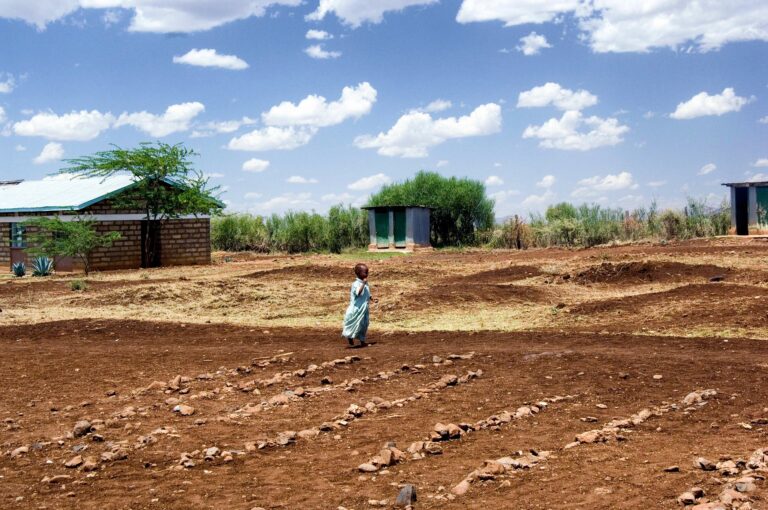
Kenya will launch its own localised weather modeling system in a bid to provide vital data on how  climate change will impact crop production in the country. The climate model, which will be launched next year, was developed by staff at Nairbobi’s Jomo Kenyatta University of Agriculture and Technology.

Known as the Climate Atlas, it will provide projections on rainfall and temperature patterns across the East African nation’s 47 counties from the year 2050 to 2100. The need for the web-based platform became apparent after its developers saw that while there were many global climate modeling systems available, none provided long-term localized data for Kenya.

The Climate Atlas was originally developed by a team at Wageningen University in the Netherlands to help provincial authorities plan for the long-term impact of climate change. Versions of the platform are also being developed for Bangladesh and Indonesia.

Irene Koomen, of Wageningen University and Research, said localized long-term climate mapping would help local authorities make strategic decisions about how to invest in agriculture.

“Investing in irrigation is useful if more droughts are predicted, but if the long-term prediction is that rainfall will increase, a different investment – such as greenhouses for tomato production – might be more sensible,” Koomen told Reuters.

Climate change is already having significant impact on East Africa with extreme weather events such as recurring droughts and heavy rains becoming more commonplace in the region. In Kenya, recent flooding that started in October has destroyed crops and infrastructure and led to 48 deaths in the country.

Previous ArticleWind forecasts improved by new ESA observation satellite
Next Article Rio de Janeiro debuts nowcasting system for landslides

Read Similar Stories

Climate Measurement

WMO forecasts very strong El Niño, with severe weather risks increasing into 2027

September 3, 20262 Mins Read
Climate Measurement

Copernicus: daily global sea-surface temperature reaches highest level on record

August 27, 20262 Mins Read
Radar

Bureau of Meteorology’s radar technology restores flood monitoring gauge in Cairns

August 18, 20262 Mins Read
Latest News

WMO forecasts very strong El Niño, with severe weather risks increasing into 2027

September 3, 2026

One month to go until Meteorological Technology World Expo returns to Amsterdam

September 3, 2026

EXCLUSIVE INTERVIEW: Maarten van Aalst, director-general, KNMI

September 2, 2026

Receive breaking stories and features in your inbox each week, for free


Enter your email address:


Supplier Spotlights
  • ZOGLAB Microsystem Co., Ltd
Getting in Touch
  • Contact Us / Advertise
  • Meet the Editors
  • Media Pack
  • Free Weekly E-Newsletter
Our Social Channels
  • Facebook
  • LinkedIn
© 2026 UKi Media & Events a division of UKIP Media & Events Ltd
  • Cookie Policy
  • Privacy Policy
  • Terms and Conditions
  • Notice and Takedown Policy

Type above and press Enter to search. Press Esc to cancel.