


Close Menu
Meteorological Technology International
  • News
    • A-E
      • Agriculture
      • Automated Weather Stations
      • Aviation
      • Climate Measurement
      • Data
      • Developing Countries
      • Digital Applications
      • Early Warning Systems
      • Extreme Weather
    • G-P
      • Hydrology
      • Lidar
      • Lightning Detection
      • New Appointments
      • Nowcasting
      • Numerical Weather Prediction
      • Polar Weather
    • R-S
      • Radar
      • Rainfall
      • Remote Sensing
      • Renewable Energy
      • Satellites
      • Solar
      • Space Weather
      • Supercomputers
    • T-Z
      • Training
      • Transport
      • Weather Instruments
      • Wind
      • World Meteorological Organization
      • Meteorological Technology World Expo
  • Features
  • Online Magazines
    • January 2026
    • April 2025
    • January 2025
    • September 2024
    • April 2024
    • Archive Issues
    • Subscribe Free!
  • Opinion
  • Videos
  • Supplier Spotlight
  • Expo
LinkedIn X (Twitter) Facebook
  • Sign-up for Free Weekly E-Newsletter
  • Meet the Editors
  • Contact Us
  • Media Pack
LinkedIn Facebook
Subscribe
Meteorological Technology International
  • News
      • Agriculture
      • Automated Weather Stations
      • Aviation
      • Climate Measurement
      • Data
      • Developing Countries
      • Digital Applications
      • Early Warning Systems
      • Extreme Weather
      • Hydrology
      • Lidar
      • Lightning Detection
      • New Appointments
      • Nowcasting
      • Numerical Weather Prediction
      • Polar Weather
      • Radar
      • Rainfall
      • Remote Sensing
      • Renewable Energy
      • Satellites
      • Solar
      • Space Weather
      • Supercomputers
      • Training
      • Transport
      • Weather Instruments
      • Wind
      • World Meteorological Organization
      • Meteorological Technology World Expo
  • Features
  • Online Magazines
    1. January 2026
    2. September 2025
    3. April 2025
    4. January 2025
    5. September 2024
    6. April 2024
    7. January 2024
    8. September 2023
    9. April 2023
    10. Archive Issues
    11. Subscribe Free!
    Featured
    November 27, 2025

    In this Issue – January 2026

    By Hazel KingNovember 27, 2025
    Recent

    In this Issue – January 2026

    November 27, 2025

    In this Issue – September 2025

    August 11, 2025

    In this Issue – April 2025

    April 15, 2025
  • Opinion
  • Videos
  • Supplier Spotlight
  • Expo
Facebook LinkedIn
Subscribe
Meteorological Technology International
Climate Measurement

Red alert as Arctic goes green

Helen NormanBy Helen NormanFebruary 4, 20202 Mins Read
Share LinkedIn Facebook Twitter Email
Share
LinkedIn Facebook Twitter Email

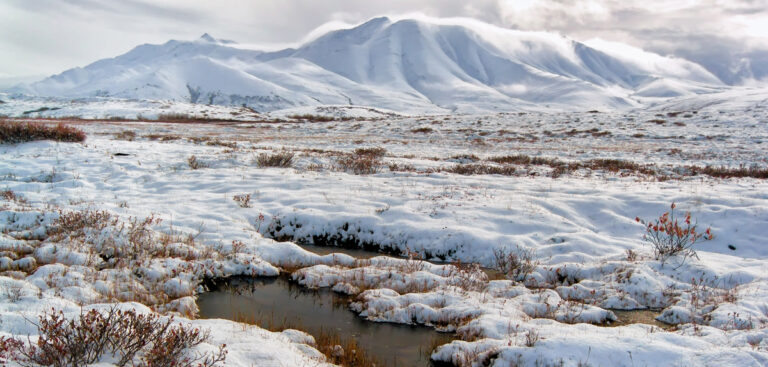
The latest drone and satellite technology is helping understand how the Arctic tundra is getting greener, and the reasons are more complex than previously thought.

As Arctic summer temperatures increase, plants are responding by coming into leaf sooner in spring. Tundra vegetation is spreading into new areas, and where plants were already growing, they are growing taller.

A team of 40 scientists from 36 institutions from Europe and North America are finding that the Arctic greening observed from space is caused by more than just the responses of tundra plants to warming on the ground.

Satellites are also capturing other changes including differences in the timing of snowmelt and the wetness of landscapes.

Lead author Dr Isla Myers-Smith of the UK’s University of Edinburgh School of GeoSciences said, “New technologies including sensors on drones, airplanes and satellites, are enabling scientists to track emerging patterns of greening found within satellite pixels that cover the size of football fields.”

Prof. Scott Goetz of the School of Informatics, Computing and Cyber Systems at Northern Arizona University added that the research is vital to understanding global climate change as tundra plants act as a barrier between the warming atmosphere and carbon stored in frozen ground.

Changes in vegetation alter the balance between the amount of carbon captured and released into the atmosphere.

The study will help scientists understand which factors will speed up or slow down warming.

Co-lead author Dr Jeffrey Kerby, a Neukom Fellow at Dartmouth College added, “Besides collecting new imagery, advances in how we process and analyse these data – even imagery that is decades old – are revolutionizing how we understand the past, present and future of the Arctic.”

Previous ArticleVaisala donates observing systems to Bahaman airports
Next Article Warm Antarctic water points to troubling glacier melt

Read Similar Stories

Extreme Weather

Researchers investigate links between air pollution, extreme weather and climate

May 1, 20262 Mins Read
Early Warning Systems

China expands MAZU early warning system for developing countries

April 30, 20262 Mins Read
Radar

Météo-France begins construction of France’s tallest weather radar tower in Sembadel

April 29, 20262 Mins Read
Latest News

Researchers investigate links between air pollution, extreme weather and climate

May 1, 2026

China expands MAZU early warning system for developing countries

April 30, 2026

Météo-France begins construction of France’s tallest weather radar tower in Sembadel

April 29, 2026

Receive breaking stories and features in your inbox each week, for free


Enter your email address:


Supplier Spotlights
  • ZX Lidars
Getting in Touch
  • Contact Us / Advertise
  • Meet the Editors
  • Media Pack
  • Free Weekly E-Newsletter
Our Social Channels
  • Facebook
  • LinkedIn
© 2026 UKi Media & Events a division of UKIP Media & Events Ltd
  • Cookie Policy
  • Privacy Policy
  • Terms and Conditions
  • Notice and Takedown Policy

Type above and press Enter to search. Press Esc to cancel.