


Close Menu
Meteorological Technology International
  • News
    • A-E
      • Agriculture
      • Automated Weather Stations
      • Aviation
      • Climate Measurement
      • Data
      • Developing Countries
      • Digital Applications
      • Early Warning Systems
      • Extreme Weather
    • G-P
      • Hydrology
      • Lidar
      • Lightning Detection
      • New Appointments
      • Nowcasting
      • Numerical Weather Prediction
      • Polar Weather
    • R-S
      • Radar
      • Rainfall
      • Remote Sensing
      • Renewable Energy
      • Satellites
      • Solar
      • Space Weather
      • Supercomputers
    • T-Z
      • Training
      • Transport
      • Weather Instruments
      • Wind
      • World Meteorological Organization
      • Meteorological Technology World Expo
  • Features
  • Online Magazines
    • January 2026
    • April 2025
    • January 2025
    • September 2024
    • April 2024
    • Archive Issues
    • Subscribe Free!
  • Opinion
  • Videos
  • Supplier Spotlight
  • Expo
LinkedIn X (Twitter) Facebook
  • Sign-up for Free Weekly E-Newsletter
  • Meet the Editors
  • Contact Us
  • Media Pack
LinkedIn Facebook
Subscribe
Meteorological Technology International
  • News
      • Agriculture
      • Automated Weather Stations
      • Aviation
      • Climate Measurement
      • Data
      • Developing Countries
      • Digital Applications
      • Early Warning Systems
      • Extreme Weather
      • Hydrology
      • Lidar
      • Lightning Detection
      • New Appointments
      • Nowcasting
      • Numerical Weather Prediction
      • Polar Weather
      • Radar
      • Rainfall
      • Remote Sensing
      • Renewable Energy
      • Satellites
      • Solar
      • Space Weather
      • Supercomputers
      • Training
      • Transport
      • Weather Instruments
      • Wind
      • World Meteorological Organization
      • Meteorological Technology World Expo
  • Features
  • Online Magazines
    1. April 2026
    2. January 2026
    3. September 2025
    4. April 2025
    5. January 2025
    6. September 2024
    7. April 2024
    8. January 2024
    9. Archive Issues
    10. Subscribe Free!
    Featured
    May 5, 2026

    In this Issue – April 2026

    By Web TeamMay 5, 2026
    Recent

    In this Issue – April 2026

    May 5, 2026

    In this Issue – January 2026

    November 27, 2025

    In this Issue – September 2025

    August 11, 2025
  • Opinion
  • Videos
  • Supplier Spotlight
  • Expo
Facebook LinkedIn
Subscribe
Meteorological Technology International
Climate Measurement

WMO backs Global Methane Pledge announced at COP26

Dan SymondsBy Dan SymondsNovember 12, 20213 Mins Read
Share LinkedIn Facebook Twitter Email
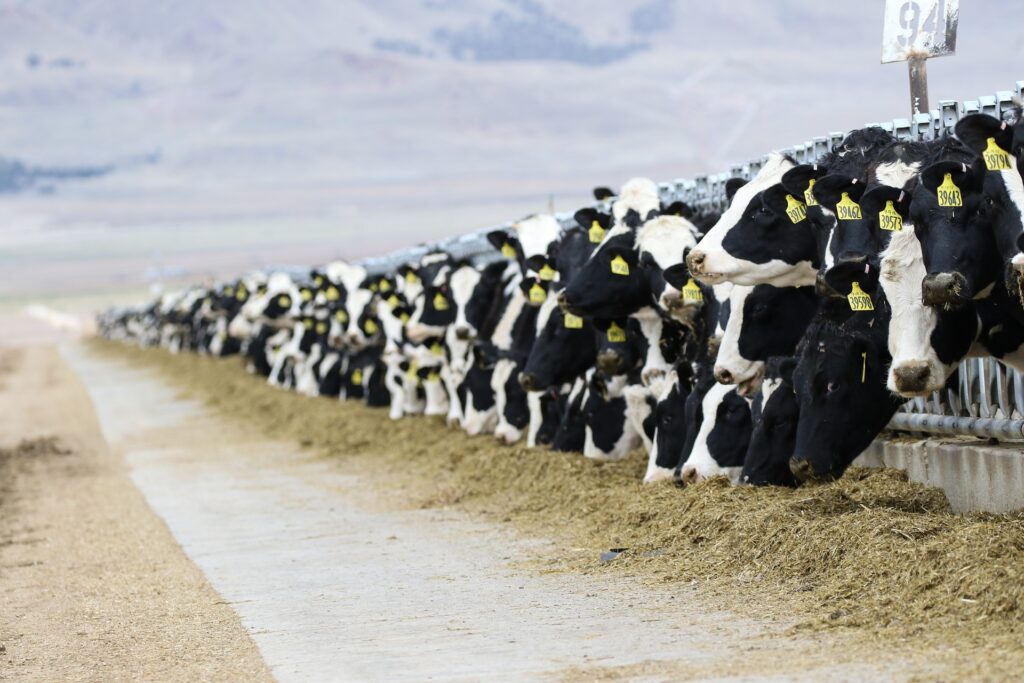
An estimated 60% of methane gas in the atmosphere comes from anthropogenic sources, such as ruminants - credit: Pixabay
Share
LinkedIn Facebook Twitter Email

The World Meteorological Organization (WMO) has welcomed a new Global Methane Pledge announced at the United Nations Climate Change negotiations at COP26, but stressed that this must be accompanied by urgent action to reduce emissions of carbon dioxide.

The aim of the Global Methane Pledge, led by the USA and the EU, is to reduce methane emissions by at least 30% by 2030. More than 100 countries, including major emitters, signed up to the pledge, which will support the Paris Agreement goal of limiting warming to well below 2 °C.

Methane is a greenhouse gas which remains in the atmosphere for approximately 10 years – a much shorter lifetime than carbon dioxide. Reducing atmospheric methane in the short term could support the achievement of the Paris Agreement and help in reaching many Sustainable Development Goals due to multiple co-benefits of methane mitigation.

Ministers from 46 countries approved the Climate & Clean Air Coalition’s (CCAC) 2030 strategy, which will see scaled-up efforts to significantly reduce short-lived climate pollutants (SLCPs), such as methane, hydrofluorocarbon (HFCs), black carbon, and tropospheric (ground level) ozone, by 2030.

The WMO has been a CCAC partner from 2014 and monitors globally the whole spectrum of the climate forcers from long-lived greenhouse gases to short-lived climate pollutants. Japan hosts the World Data Center for Greenhouse Gases where the data on major greenhouse gases (including methane) from the WMO’s coordinated global observational network is freely available. Data on aerosol and tropospheric ozone is collected and disseminated by two other data centers supported by Norway.

Dr Elena Manaenkova, deputy secretary-general for the WMO, said, “The WMO annually reports to UNFCCC COP on the atmospheric concentrations of the greenhouse gases along with other key climate indicators. We are concerned with recent trend of increase of methane concentration in the atmosphere. Therefore, WMO warmly welcomes the methane pledge and we are pleased to see so many CCAC members making strong contributions.

“WMO develops technical standards for observational based emission estimates (through the Integrated Global Greenhouse Gas Information System (IG3IS)). We have the tools and methodology to help develop the most efficient emission mitigation strategies to realize methane pledges and to quantify achieved results.

“The instrumental observations can help you locate known and unknown emission sources and identify emission reduction opportunities. WMO is happy to offer guidance and assistance and stands ready to help,” she said.

Methane accounts for about 16% of the warming effect of long-lived greenhouse gases since pre-industrial time, according to the US National Oceanic and Atmospheric Administration (NOAA). Approximately 40% of methane is emitted into the atmosphere by natural sources (for example, wetlands and termites), and about 60% comes from anthropogenic sources (for example, ruminants, rice agriculture, fossil fuel exploitation, landfills and biomass burning).

The increase in the globally averaged annual methane concentration from 2019 to 2020 was higher than 2018 to 2019, and also higher than the average annual growth rate over the last decade, according to the WMO’s Greenhouse Gas Bulletin.

Previous ArticleEuropean met agencies pool resources to improve short-term weather forecasts
Next Article Baron to provide innovative ocean weather modeling system for Indonesia

Read Similar Stories

Data

Ventusky adds fire monitoring to its weather maps

May 14, 20262 Mins Read
Automated Weather Stations

UNESCO hands over nine automated weather stations to the Ghana Meteorological Agency

May 12, 20262 Mins Read
Data

Copernicus launches Weather Replay app to explore historical weather data

May 11, 20262 Mins Read
Latest News

Ventusky adds fire monitoring to its weather maps

May 14, 2026

“For over a century, precipitation gauges have measured too low” – Vaisala addresses the measurement gap

May 13, 2026

UNESCO hands over nine automated weather stations to the Ghana Meteorological Agency

May 12, 2026

Receive breaking stories and features in your inbox each week, for free


Enter your email address:


Supplier Spotlights
  • REMTECH
Getting in Touch
  • Contact Us / Advertise
  • Meet the Editors
  • Media Pack
  • Free Weekly E-Newsletter
Our Social Channels
  • Facebook
  • LinkedIn
© 2026 UKi Media & Events a division of UKIP Media & Events Ltd
  • Cookie Policy
  • Privacy Policy
  • Terms and Conditions
  • Notice and Takedown Policy

Type above and press Enter to search. Press Esc to cancel.