


Close Menu
Meteorological Technology International
  • News
    • A-E
      • Agriculture
      • Automated Weather Stations
      • Aviation
      • Climate Measurement
      • Data
      • Developing Countries
      • Digital Applications
      • Early Warning Systems
      • Extreme Weather
    • G-P
      • Hydrology
      • Lidar
      • Lightning Detection
      • New Appointments
      • Nowcasting
      • Numerical Weather Prediction
      • Polar Weather
    • R-S
      • Radar
      • Rainfall
      • Remote Sensing
      • Renewable Energy
      • Satellites
      • Solar
      • Space Weather
      • Supercomputers
    • T-Z
      • Training
      • Transport
      • Weather Instruments
      • Wind
      • World Meteorological Organization
      • Meteorological Technology World Expo
  • Features
  • Online Magazines
    • January 2026
    • April 2025
    • January 2025
    • September 2024
    • April 2024
    • Archive Issues
    • Subscribe Free!
  • Opinion
  • Videos
  • Supplier Spotlight
  • Expo
LinkedIn X (Twitter) Facebook
  • Sign-up for Free Weekly E-Newsletter
  • Meet the Editors
  • Contact Us
  • Media Pack
LinkedIn Facebook
Subscribe
Meteorological Technology International
  • News
      • Agriculture
      • Automated Weather Stations
      • Aviation
      • Climate Measurement
      • Data
      • Developing Countries
      • Digital Applications
      • Early Warning Systems
      • Extreme Weather
      • Hydrology
      • Lidar
      • Lightning Detection
      • New Appointments
      • Nowcasting
      • Numerical Weather Prediction
      • Polar Weather
      • Radar
      • Rainfall
      • Remote Sensing
      • Renewable Energy
      • Satellites
      • Solar
      • Space Weather
      • Supercomputers
      • Training
      • Transport
      • Weather Instruments
      • Wind
      • World Meteorological Organization
      • Meteorological Technology World Expo
  • Features
  • Online Magazines
    1. April 2026
    2. January 2026
    3. September 2025
    4. April 2025
    5. January 2025
    6. September 2024
    7. April 2024
    8. January 2024
    9. Archive Issues
    10. Subscribe Free!
    Featured
    May 5, 2026

    In this Issue – April 2026

    By Web TeamMay 5, 2026
    Recent

    In this Issue – April 2026

    May 5, 2026

    In this Issue – January 2026

    November 27, 2025

    In this Issue – September 2025

    August 11, 2025
  • Opinion
  • Videos
  • Supplier Spotlight
  • Expo
Facebook LinkedIn
Subscribe
Meteorological Technology International
Data

NCAR climate model dataset now available on the cloud

Helen NormanBy Helen NormanOctober 31, 20192 Mins Read
Share LinkedIn Facebook Twitter Email
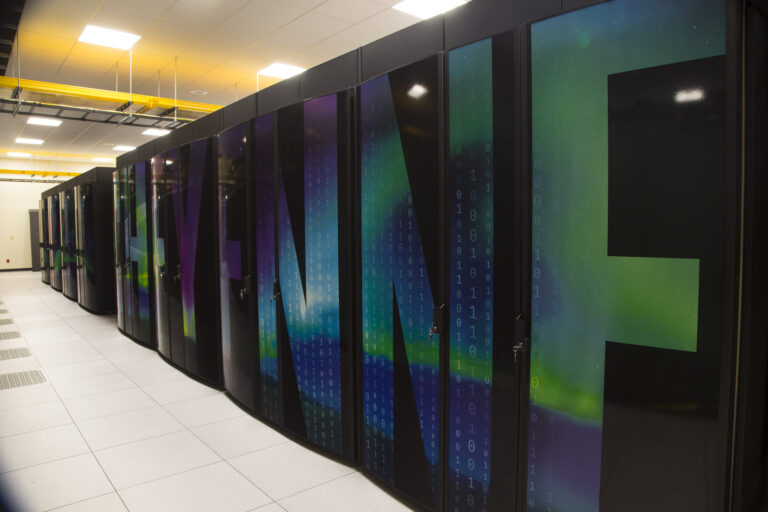
The Cheyenne Supercomputer located at NWSC in Cheyenne, Wyoming. Image: UCAR
Share
LinkedIn Facebook Twitter Email

A huge dataset that is widely used by the meteorological research community to study extreme rainfall, ice loss and extended droughts in North America, is now freely available on the commercial cloud, according to the National Center for Atmospheric Research (NCAR).

NCAR has made a significant portion of climate model simulations available to the scientific community via Amazon Web Services (AWS). The data comes from the NCAR Community Earth System Model (CESM) Large Ensemble Numerical Simulation (LENS), which is intended to advance understanding of climate change and variability.

“The scientific community has widely used the CESM LENS data already, but making them accessible from the cloud enables new users to explore research possibilities and computing frontiers,” said Jennifer Kay, a professor at the University of Colorado Boulder and co-leader of the CESM LENS project with NCAR scientist Clara Deser.

CESM LENS is a 40-member ensemble of climate simulations from the years 1920 to 2100. The total data volume is large, more than 500 terabytes, which has been and continues to be accessible to download through the NCAR Climate Data Gateway, or for analysis by users who have accounts on the NCAR-Wyoming Supercomputing facilities.

Of the overall ensemble, NCAR has made approximately 70 terabytes of compressed data freely available on AWS, including the most widely used variables like temperature, precipitation, land surface, and ocean surface.

“This dataset is too large to easily copy. This effort enables both the academic community and private industry who lack access to the NCAR supercomputer to perform data analysis directly in the cloud,” added Jeff de La Beaujardière a division director at NCAR and project manager of this new data accessibility initiative.

Previous ArticleWMO calls for protection of radio frequencies vital to weather forecasts
Next Article DTN launches innovative reduced visibility alerting system

Read Similar Stories

Nowcasting

Colorado State University and Nvidia partner to extend severe storm prediction lead times

June 2, 20262 Mins Read
Weather Instruments

R.M. Young Company reengineers SNOdar snow-depth sensor

May 21, 20262 Mins Read
Data

Ventusky adds fire monitoring to its weather maps

May 14, 20262 Mins Read
Latest News

VIDEO: Sentinel-6 satellite detects El Niño precursor in Pacific

June 4, 2026

New forecasting framework targets solar-limb flare blind spot

June 4, 2026

Colorado State University and Nvidia partner to extend severe storm prediction lead times

June 2, 2026

Receive breaking stories and features in your inbox each week, for free


Enter your email address:


Supplier Spotlights
  • ZOGLAB Microsystem Co., Ltd
Getting in Touch
  • Contact Us / Advertise
  • Meet the Editors
  • Media Pack
  • Free Weekly E-Newsletter
Our Social Channels
  • Facebook
  • LinkedIn
© 2026 UKi Media & Events a division of UKIP Media & Events Ltd
  • Cookie Policy
  • Privacy Policy
  • Terms and Conditions
  • Notice and Takedown Policy

Type above and press Enter to search. Press Esc to cancel.