


Close Menu
Meteorological Technology International
  • News
    • A-E
      • Agriculture
      • Automated Weather Stations
      • Aviation
      • Climate Measurement
      • Data
      • Developing Countries
      • Digital Applications
      • Early Warning Systems
      • Extreme Weather
    • G-P
      • Hydrology
      • Lidar
      • Lightning Detection
      • New Appointments
      • Nowcasting
      • Numerical Weather Prediction
      • Polar Weather
    • R-S
      • Radar
      • Rainfall
      • Remote Sensing
      • Renewable Energy
      • Satellites
      • Solar
      • Space Weather
      • Supercomputers
    • T-Z
      • Training
      • Transport
      • Weather Instruments
      • Wind
      • World Meteorological Organization
      • Meteorological Technology World Expo
  • Features
  • Online Magazines
    • January 2026
    • April 2025
    • January 2025
    • September 2024
    • April 2024
    • Archive Issues
    • Subscribe Free!
  • Opinion
  • Videos
  • Supplier Spotlight
  • Expo
LinkedIn X (Twitter) Facebook
  • Sign-up for Free Weekly E-Newsletter
  • Meet the Editors
  • Contact Us
  • Media Pack
LinkedIn Facebook
Subscribe
Meteorological Technology International
  • News
      • Agriculture
      • Automated Weather Stations
      • Aviation
      • Climate Measurement
      • Data
      • Developing Countries
      • Digital Applications
      • Early Warning Systems
      • Extreme Weather
      • Hydrology
      • Lidar
      • Lightning Detection
      • New Appointments
      • Nowcasting
      • Numerical Weather Prediction
      • Polar Weather
      • Radar
      • Rainfall
      • Remote Sensing
      • Renewable Energy
      • Satellites
      • Solar
      • Space Weather
      • Supercomputers
      • Training
      • Transport
      • Weather Instruments
      • Wind
      • World Meteorological Organization
      • Meteorological Technology World Expo
  • Features
  • Online Magazines
    1. January 2026
    2. September 2025
    3. April 2025
    4. January 2025
    5. September 2024
    6. April 2024
    7. January 2024
    8. September 2023
    9. April 2023
    10. Archive Issues
    11. Subscribe Free!
    Featured
    November 27, 2025

    In this Issue – January 2026

    By Hazel KingNovember 27, 2025
    Recent

    In this Issue – January 2026

    November 27, 2025

    In this Issue – September 2025

    August 11, 2025

    In this Issue – April 2025

    April 15, 2025
  • Opinion
  • Videos
  • Supplier Spotlight
  • Expo
Facebook LinkedIn
Subscribe
Meteorological Technology International
Climate Measurement

Pandemic-ULEZ combination sees London nitrogen dioxide levels fall by 70%

Dan SymondsBy Dan SymondsMarch 7, 20232 Mins Read
Share LinkedIn Facebook Twitter Email
Credit: Pixabay
Share
LinkedIn Facebook Twitter Email

Nitrogen dioxide (NO2) emissions in London reduced by more than 70% between 2017 and 2021, according to a new study from the National Centre for Atmospheric Science (NCAS) and University of York.

The reduction has been attributed in part to the city’s air quality policy but also the substantial reduction in congestion that resulted from pandemic-reduced mobility.

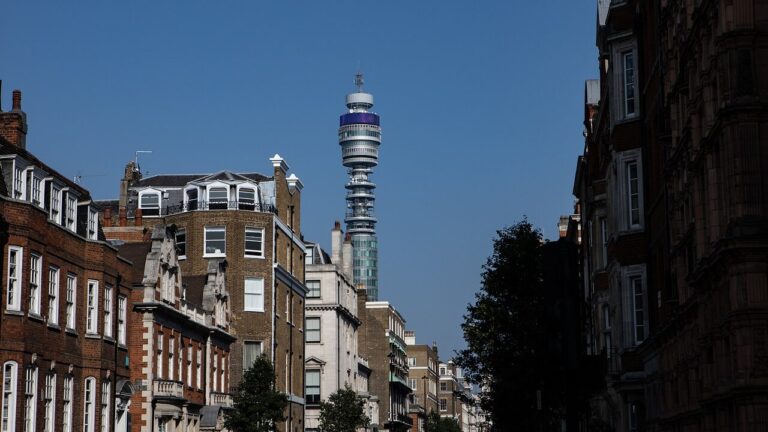
A team of researchers used the BT Tower Atmospheric Observatory, managed by the NCAS Atmospheric Measurement and Observation Facility, to detect how levels of harmful nitrogen oxide pollutants have changed over time.

The study identified transportation and heat and power generation as the two primary sources of nitrogen dioxide pollution in central London and were able to single out the impact of emissions from each source using the observatory.

The BT Tower Atmospheric Observatory provides the only long-term measurement of nitrogen oxide emissions from a megacity in the world. At 190m tall, the observatory filters and analyzes air as it moves upwards from the streets and buildings below. A gas inlet mast on top of the tower pumps air into the 35th floor laboratory.

Professor James Lee, research fellow NCAS and University of York, said, “These measurements help us assess the success that invention policies – like the ultra low emission zone – are having on improving the magnitude of vehicle emissions, and hence the quality of the air in our cities.”

The information collected throughout the Covid-19 restrictions offers a glimpse into the future, where electrified transport – in tandem with traffic reduction schemes – may substantially improve air quality.

However, the team showed that central London became dominated by heat and power generation emissions during this period of reduced mobility, pointing towards a problem that cannot be solved by traffic measures alone.

Professor Ally Lewis, NCAS and University of York, said “Getting combustion out of cities is central to further improving air quality in the UK. We will either need to electrify the heating of homes and businesses or think much more seriously about how pollution from gas burning can be cleaned up, as we currently do for cars, trucks and buses.”

For the latest news on emissions, click here.

Previous ArticleFMI to study potential of marine heat pumps along Baltic coast
Next Article WMO aligns top priorities with UN’s Early Warnings for All initiative

Read Similar Stories

Climate Measurement

WMO signals increasing likelihood of El Niño developing in 2026

April 24, 20263 Mins Read
Radar

Alabama partners with Climavision to expand weather radar coverage statewide

April 24, 20262 Mins Read
Data

Atmospheric G2 secures Japan weather forecasting license

April 21, 20262 Mins Read
Latest News

WMO signals increasing likelihood of El Niño developing in 2026

April 24, 2026

Alabama partners with Climavision to expand weather radar coverage statewide

April 24, 2026

Extreme heat posing significant risks to ecosystems and agriculture, FAO-WMO report warns

April 22, 2026

Receive breaking stories and features in your inbox each week, for free


Enter your email address:


Supplier Spotlights
  • EWR Radar Systems
Getting in Touch
  • Contact Us / Advertise
  • Meet the Editors
  • Media Pack
  • Free Weekly E-Newsletter
Our Social Channels
  • Facebook
  • LinkedIn
© 2026 UKi Media & Events a division of UKIP Media & Events Ltd
  • Cookie Policy
  • Privacy Policy
  • Terms and Conditions
  • Notice and Takedown Policy

Type above and press Enter to search. Press Esc to cancel.