


Close Menu
Meteorological Technology International
  • News
    • A-E
      • Agriculture
      • Automated Weather Stations
      • Aviation
      • Climate Measurement
      • Data
      • Developing Countries
      • Digital Applications
      • Early Warning Systems
      • Extreme Weather
    • G-P
      • Hydrology
      • Lidar
      • Lightning Detection
      • New Appointments
      • Nowcasting
      • Numerical Weather Prediction
      • Polar Weather
    • R-S
      • Radar
      • Rainfall
      • Remote Sensing
      • Renewable Energy
      • Satellites
      • Solar
      • Space Weather
      • Supercomputers
    • T-Z
      • Training
      • Transport
      • Weather Instruments
      • Wind
      • World Meteorological Organization
      • Meteorological Technology World Expo
  • Features
  • Online Magazines
    • January 2026
    • April 2025
    • January 2025
    • September 2024
    • April 2024
    • Archive Issues
    • Subscribe Free!
  • Opinion
  • Videos
  • Supplier Spotlight
  • Expo
LinkedIn X (Twitter) Facebook
  • Sign-up for Free Weekly E-Newsletter
  • Meet the Editors
  • Contact Us
  • Media Pack
LinkedIn Facebook
Subscribe
Meteorological Technology International
  • News
      • Agriculture
      • Automated Weather Stations
      • Aviation
      • Climate Measurement
      • Data
      • Developing Countries
      • Digital Applications
      • Early Warning Systems
      • Extreme Weather
      • Hydrology
      • Lidar
      • Lightning Detection
      • New Appointments
      • Nowcasting
      • Numerical Weather Prediction
      • Polar Weather
      • Radar
      • Rainfall
      • Remote Sensing
      • Renewable Energy
      • Satellites
      • Solar
      • Space Weather
      • Supercomputers
      • Training
      • Transport
      • Weather Instruments
      • Wind
      • World Meteorological Organization
      • Meteorological Technology World Expo
  • Features
  • Online Magazines
    1. January 2026
    2. September 2025
    3. April 2025
    4. January 2025
    5. September 2024
    6. April 2024
    7. January 2024
    8. September 2023
    9. April 2023
    10. Archive Issues
    11. Subscribe Free!
    Featured
    November 27, 2025

    In this Issue – January 2026

    By Hazel KingNovember 27, 2025
    Recent

    In this Issue – January 2026

    November 27, 2025

    In this Issue – September 2025

    August 11, 2025

    In this Issue – April 2025

    April 15, 2025
  • Opinion
  • Videos
  • Supplier Spotlight
  • Expo
Facebook LinkedIn
Subscribe
Meteorological Technology International
Climate Measurement

Australian bushfires push up CO₂ forecasts

Helen NormanBy Helen NormanJanuary 28, 20202 Mins Read
Share LinkedIn Facebook Twitter Email
Share
LinkedIn Facebook Twitter Email

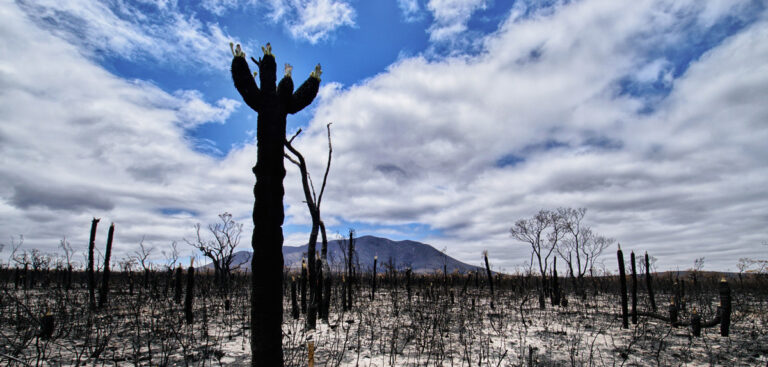
Carbon dioxide levels are expected to rise at the highest annual rates since records began, with Australian bushfires significantly contributing to the increase.

Measurements taken at Mauna Loa in Hawaii for the atmospheric concentration of CO2 are expected to peak above 417ppm (parts per million) in May, and average 414.2 ± 0.6ppm.

The annual average represents a 2.74 ± 0.57ppm on the average for 2019.

Human-made emissions have caused the CO2 to rise in concentration, impacts of weather patterns on global ecosystems are predicted to increase the rise by 10% this year. Emissions from Australian bushfires contributed up to one-fifth of the increase.

Professor Richard Betts MBE of the UK’s Met Office Hadley Centre and University of Exeter said, “Although the series of annual levels of CO2  have always seen a year-on-year increase since 1958, driven by fossil fuel burning and deforestation, the rate of rise isn’t perfectly even because there are fluctuations in the response of ecosystem carbon sinks, especially tropical forests. Overall these are expected to be weaker than normal for a second year running.”

Pacific Ocean temperatures are known to impact the uptake of carbon dioxide by land ecosystems. A warmer tropical Pacific causes regions to become warmer and drier, limiting the ability of plants to grow and absorb CO2   and increasing the risk of wildfires.

Professor Betts added, “The success of our previous forecasts has shown that the year-to-year variability in the rate of rise of CO2 in the atmosphere is affected more by the strength of ecosystem carbon sinks and sources than year-to-year changes in human-induced emissions. Nevertheless, the anthropogenic emissions are still the overall driver of the long-term rise in concentrations.”

The CO2 concentrations at Mauna Loa are measured by the Scripps Institution for Oceanography at the University of California, San Diego, and the National Oceanographic and Atmospheric Administration.  

Previous ArticleIce911 to test climate restoration on sea ice
Next Article Swedish satellite to improve Arctic weather data

Read Similar Stories

Extreme Weather

AI model improves real-time prediction of wildfire spread

April 16, 20263 Mins Read
Climate Measurement

Study identifies atmospheric trigger behind flash droughts in Puerto Rico

April 15, 20263 Mins Read
Satellites

AI tool uses weather satellite data to map ocean currents in near real time

April 14, 20263 Mins Read
Latest News

Northumbria University secures £4m to study Earth’s radiation belts

April 16, 2026

AI model improves real-time prediction of wildfire spread

April 16, 2026

Study identifies atmospheric trigger behind flash droughts in Puerto Rico

April 15, 2026

Receive breaking stories and features in your inbox each week, for free


Enter your email address:


Supplier Spotlights
  • Geolux d.o.o.
Getting in Touch
  • Contact Us / Advertise
  • Meet the Editors
  • Media Pack
  • Free Weekly E-Newsletter
Our Social Channels
  • Facebook
  • LinkedIn
© 2026 UKi Media & Events a division of UKIP Media & Events Ltd
  • Cookie Policy
  • Privacy Policy
  • Terms and Conditions
  • Notice and Takedown Policy

Type above and press Enter to search. Press Esc to cancel.