


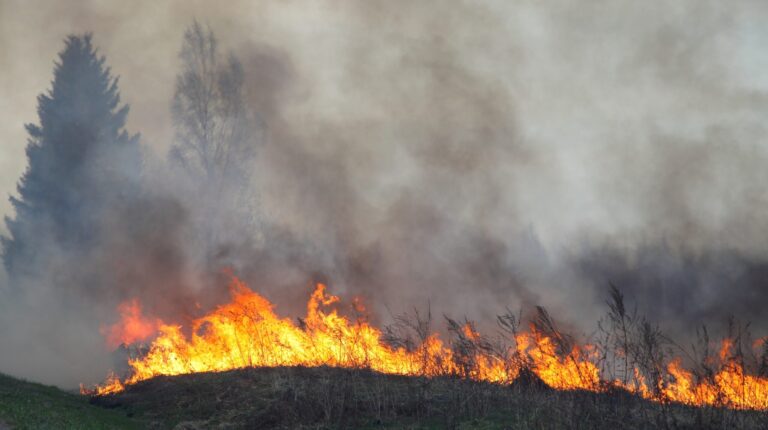
The European Commission has published a new strategy aimed at strengthening wildfire risk management across Europe, as the scale and frequency of fires continue to increase.
The approach covers prevention, preparedness, response and recovery, with a focus on improving resilience to wildfires and reducing their impact on people, infrastructure and the environment.
The Commission said the initiative aligns with its Preparedness Union Strategy and provides guidance for national and regional authorities on implementing integrated wildfire management measures.
Wildfire activity in Europe has intensified in recent years, with 2025 recorded as the worst season on record, with more than one million hectares burned. The EC attributed the growing wildfire risk to climate change and other contributing factors.
A key element of the strategy is a stronger emphasis on prevention, including ecosystem-based measures designed to create more fire-resilient landscapes. The Commission has also issued new guidance on managing Natura 2000 sites in the context of climate change, including measures to reduce wildfire risk while maintaining conservation objectives.
To support long-term planning, updated risk assessment guidelines will be developed for member states to incorporate into national reporting frameworks.
The strategy also highlights the need to improve public awareness and preparedness. According to the European Environment Agency, around half of Europeans are concerned about wildfire risks. The EC said it will promote education, training and volunteer initiatives, including through EU youth programs and a dedicated European Citizens Panel.
Operational preparedness measures include the continued pre-positioning of firefighters in high-risk areas and increased cooperation between Member States and international partners. The European Forest Fire Information System, supported by Copernicus satellite data, will be further developed to enhance early warning and monitoring capabilities. AI-based modeling tools are also being advanced to support decision-making.
The Commission also plans to expand the RescEU firefighting fleet with 12 additional aircraft and five helicopters. The first helicopter, delivered to Romania in January 2026, is expected to be operational for the upcoming wildfire season.
In addition, a European firefighting hub is planned in Cyprus, to serve as a center for training, coordination and emergency response.
The strategy also includes measures to improve understanding of long-term health risks faced by firefighters, as well as support for post-fire recovery and ecosystem restoration.
The EC said it will propose a council recommendation on integrated wildfire risk management and will work with member states and stakeholders to implement the measures, with progress monitored and reported regularly.
Related news, New research to improve flash flood warnings in rural Virginia