


Close Menu
Meteorological Technology International
  • News
    • A-E
      • Agriculture
      • Automated Weather Stations
      • Aviation
      • Climate Measurement
      • Data
      • Developing Countries
      • Digital Applications
      • Early Warning Systems
      • Extreme Weather
    • G-P
      • Hydrology
      • Lidar
      • Lightning Detection
      • New Appointments
      • Nowcasting
      • Numerical Weather Prediction
      • Polar Weather
    • R-S
      • Radar
      • Rainfall
      • Remote Sensing
      • Renewable Energy
      • Satellites
      • Solar
      • Space Weather
      • Supercomputers
    • T-Z
      • Training
      • Transport
      • Weather Instruments
      • Wind
      • World Meteorological Organization
      • Meteorological Technology World Expo
  • Features
  • Online Magazines
    • January 2026
    • April 2025
    • January 2025
    • September 2024
    • April 2024
    • Archive Issues
    • Subscribe Free!
  • Opinion
  • Videos
  • Supplier Spotlight
  • Expo
LinkedIn X (Twitter) Facebook
  • Sign-up for Free Weekly E-Newsletter
  • Meet the Editors
  • Contact Us
  • Media Pack
LinkedIn Facebook
Subscribe
Meteorological Technology International
  • News
      • Agriculture
      • Automated Weather Stations
      • Aviation
      • Climate Measurement
      • Data
      • Developing Countries
      • Digital Applications
      • Early Warning Systems
      • Extreme Weather
      • Hydrology
      • Lidar
      • Lightning Detection
      • New Appointments
      • Nowcasting
      • Numerical Weather Prediction
      • Polar Weather
      • Radar
      • Rainfall
      • Remote Sensing
      • Renewable Energy
      • Satellites
      • Solar
      • Space Weather
      • Supercomputers
      • Training
      • Transport
      • Weather Instruments
      • Wind
      • World Meteorological Organization
      • Meteorological Technology World Expo
  • Features
  • Online Magazines
    1. April 2026
    2. January 2026
    3. September 2025
    4. April 2025
    5. January 2025
    6. September 2024
    7. April 2024
    8. January 2024
    9. Archive Issues
    10. Subscribe Free!
    Featured
    May 5, 2026

    In this Issue – April 2026

    By Web TeamMay 5, 2026
    Recent

    In this Issue – April 2026

    May 5, 2026

    In this Issue – January 2026

    November 27, 2025

    In this Issue – September 2025

    August 11, 2025
  • Opinion
  • Videos
  • Supplier Spotlight
  • Expo
Facebook LinkedIn
Subscribe
Meteorological Technology International
Extreme Weather

Hurricanes more likely to intensify within hours due to changing climate

Dan SymondsBy Dan SymondsNovember 21, 20222 Mins Read
Share LinkedIn Facebook Twitter Email
Share
LinkedIn Facebook Twitter Email

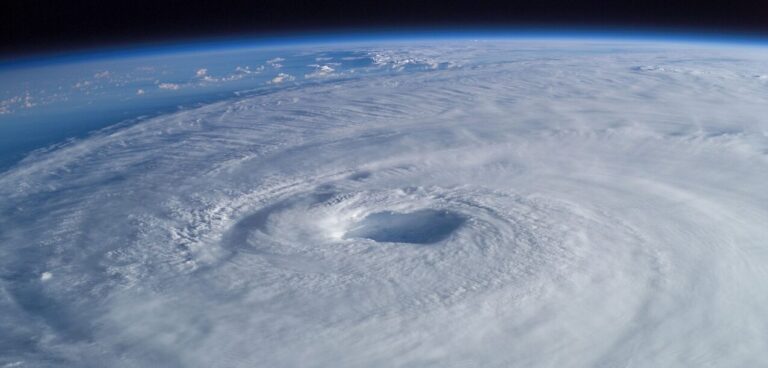
Climate change is increasing the probability that tropical cyclones will rapidly grow into intense, damaging hurricanes in a few hours, according to a new study.

Co-authored by the National Centre for Atmospheric Science (NCAS) and the University of Reading in the UK and academics in the USA, the study concludes that rising global temperatures are significantly increasing the rate of storms rapidly intensifying, posing a huge challenge to weather forecasters.

Dr Alex Baker, a research scientist at NCAS and the University of Reading, who co-wrote the study, said, “Hurricanes are natural events that have always been with us, and a rare few strengthen rapidly. We have discovered how increasing greenhouse gas emissions are making it much more likely that tropical storms rapidly turn into dangerous and less predictable cyclones, and this is happening globally.

“In some cases, intense hurricanes develop overnight, and this rapid intensification leaves people living in their path little time to respond. Communities need good early warnings to protect themselves and their property, so if more storms intensify rapidly, this makes evacuations and other emergency measures more difficult.”

The researchers used observations of storms from the past 40 years, alongside high-resolution computer models that simulate the atmosphere and oceans, to estimate how warming temperatures are affecting tropical cyclones.

Rising temperatures provide the right conditions for storms to become dangerous hurricanes as high humidity in the atmosphere and warmer sea-surface temperatures quickly lead to stronger winds, researchers found.

These are known as rapid intensification events. According to the scientists, global trends since 1982 have shown that environmental factors linked to rising temperatures have made these events more likely.

They found these trends are unlikely to have been caused by natural variations in climate, and that continued global warming could lead to the process continuing further – with grave consequences for coastal communities and nations that are vulnerable to tropical storms.

To view the complete study published in the journal Nature Communications, click here.

Previous ArticleTomorrow.io unveils US$100m investment in met tech for African farmers
Next Article INSIGHT: RMetS reflects on major outcomes from COP27

Read Similar Stories

Extreme Weather

Impacts of extreme weather and rising temperatures intensify across Latin America and Caribbean

May 15, 20263 Mins Read
Automated Weather Stations

UNESCO hands over nine automated weather stations to the Ghana Meteorological Agency

May 12, 20262 Mins Read
Extreme Weather

Wildfires can create ‘burn scar heat islands’ that alter weather patterns, study finds

May 6, 20263 Mins Read
Latest News

R.M. Young Company reengineers SNOdar snow-depth sensor

May 21, 2026

SMILE mission launches to study Earth’s magnetic shield and space weather

May 20, 2026

Cloud measurement campaign targets improved climate model accuracy

May 20, 2026

Receive breaking stories and features in your inbox each week, for free


Enter your email address:


Supplier Spotlights
  • Geolux d.o.o.
Getting in Touch
  • Contact Us / Advertise
  • Meet the Editors
  • Media Pack
  • Free Weekly E-Newsletter
Our Social Channels
  • Facebook
  • LinkedIn
© 2026 UKi Media & Events a division of UKIP Media & Events Ltd
  • Cookie Policy
  • Privacy Policy
  • Terms and Conditions
  • Notice and Takedown Policy

Type above and press Enter to search. Press Esc to cancel.