


Close Menu
Meteorological Technology International
  • News
    • A-E
      • Agriculture
      • Automated Weather Stations
      • Aviation
      • Climate Measurement
      • Data
      • Developing Countries
      • Digital Applications
      • Early Warning Systems
      • Extreme Weather
    • G-P
      • Hydrology
      • Lidar
      • Lightning Detection
      • New Appointments
      • Nowcasting
      • Numerical Weather Prediction
      • Polar Weather
    • R-S
      • Radar
      • Rainfall
      • Remote Sensing
      • Renewable Energy
      • Satellites
      • Solar
      • Space Weather
      • Supercomputers
    • T-Z
      • Training
      • Transport
      • Weather Instruments
      • Wind
      • World Meteorological Organization
      • Meteorological Technology World Expo
  • Features
  • Online Magazines
    • January 2026
    • April 2025
    • January 2025
    • September 2024
    • April 2024
    • Archive Issues
    • Subscribe Free!
  • Opinion
  • Videos
  • Supplier Spotlight
  • Expo
LinkedIn X (Twitter) Facebook
  • Sign-up for Free Weekly E-Newsletter
  • Meet the Editors
  • Contact Us
  • Media Pack
LinkedIn Facebook
Subscribe
Meteorological Technology International
  • News
      • Agriculture
      • Automated Weather Stations
      • Aviation
      • Climate Measurement
      • Data
      • Developing Countries
      • Digital Applications
      • Early Warning Systems
      • Extreme Weather
      • Hydrology
      • Lidar
      • Lightning Detection
      • New Appointments
      • Nowcasting
      • Numerical Weather Prediction
      • Polar Weather
      • Radar
      • Rainfall
      • Remote Sensing
      • Renewable Energy
      • Satellites
      • Solar
      • Space Weather
      • Supercomputers
      • Training
      • Transport
      • Weather Instruments
      • Wind
      • World Meteorological Organization
      • Meteorological Technology World Expo
  • Features
  • Online Magazines
    1. January 2026
    2. September 2025
    3. April 2025
    4. January 2025
    5. September 2024
    6. April 2024
    7. January 2024
    8. September 2023
    9. April 2023
    10. Archive Issues
    11. Subscribe Free!
    Featured
    November 27, 2025

    In this Issue – January 2026

    By Hazel KingNovember 27, 2025
    Recent

    In this Issue – January 2026

    November 27, 2025

    In this Issue – September 2025

    August 11, 2025

    In this Issue – April 2025

    April 15, 2025
  • Opinion
  • Videos
  • Supplier Spotlight
  • Expo
Facebook LinkedIn
Subscribe
Meteorological Technology International
Hydrology

Coastal salt marshes could disappear with rapid sea level rise, warns study

Dan SymondsBy Dan SymondsMarch 30, 20233 Mins Read
Share LinkedIn Facebook Twitter Email
Credit - Pixabay
Share
LinkedIn Facebook Twitter Email

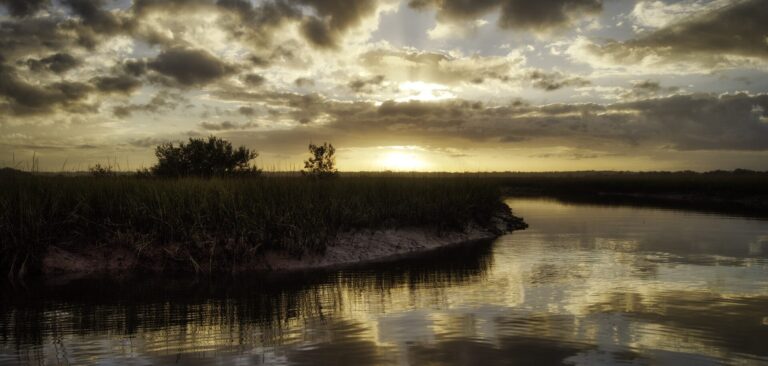
US researchers have revealed how tidal salt marshes along America’s East Coast have built elevation more quickly to keep pace with accelerating sea level rise over the last century, but warn that this process has its limits.

According to the researchers, the factors affecting how quickly a salt marsh accumulates soil include how much sediment is deposited in the wetland during tidal floods, and how much organic matter from the marsh’s plants escapes decomposition.

Sediment supply to marshes can be limited by human activities such as the building of dams, or can be increased by causing erosion upstream, often through clearing land for agriculture. Cooler temperatures also allow more organic matter to accumulate.

With slower sea level rise, sediment and vegetation is plentiful, and coastal wetlands can keep pace with rising waters. But if sea level rises too quickly, that balance is lost.

Nathaniel Weston, lead author and ecosystems ecologist at Villanova University, Pennsylvania, said, “These feedback cycles allow a marsh to keep up and increase its rate of soil accretion up until a point where it just can’t. After that, it falls off the other end and can no longer exist as a marsh. And it’s very likely that will happen in many places.”

The new study is the first to assess the race on a large scale, comparing soil accretion rates using soil core from nine salt marshes from Maine to Georgia. The dark, peaty columns record more than 100 years of the marshes’ histories, and researchers dated the soil to calculate how quickly the wetlands grew over time and how that rate changed.

Although soil accretion sped up in all nine marshes, only six marshes built soil at roughly the same rate as sea level rise over the past century. Three marshes in North Carolina, South Carolina and Virginia could not keep up with local sea level rise due to rapid sea level rise, low sediment supplies from damming, and warmer temperatures.

“This is the first study to document what’s happening on this scale, across pretty much the entire East Coast,” said Weston. “We were definitely excited to see fairly consistent results across our sites, where the marshes were increasing their rate of soil accretion.”

Many coastal salt marshes around the world may be accelerating their growth, too, at least for the moment, Weston said.

To slow the process of inundation, communities could install “living shorelines” of vegetation to retain sediment, Weston said. An expensive but temporary solution is to spray a slurry of mud and water over the marsh, which adds a few millimeters of sediment and can offset sea level rise a few years.

To view the complete study published in the journal Earth’s Future, click here.

Previous ArticleResearch identifies Greenland Ice Sheet tipping points
Next Article Data, collaboration and innovation key to future of US forecasting, hears Congress

Read Similar Stories

Climate Measurement

Study identifies atmospheric trigger behind flash droughts in Puerto Rico

April 15, 20263 Mins Read
Climate Measurement

Regional training aims to improve flood forecasting in Central Africa

April 1, 20263 Mins Read
Rainfall

New research to improve flash flood warnings in rural Virginia

March 17, 20263 Mins Read
Latest News

WMO signals increasing likelihood of El Niño developing in 2026

April 24, 2026

Alabama partners with Climavision to expand weather radar coverage statewide

April 24, 2026

Extreme heat posing significant risks to ecosystems and agriculture, FAO-WMO report warns

April 22, 2026

Receive breaking stories and features in your inbox each week, for free


Enter your email address:


Supplier Spotlights
  • ELDES S.r.l.
Getting in Touch
  • Contact Us / Advertise
  • Meet the Editors
  • Media Pack
  • Free Weekly E-Newsletter
Our Social Channels
  • Facebook
  • LinkedIn
© 2026 UKi Media & Events a division of UKIP Media & Events Ltd
  • Cookie Policy
  • Privacy Policy
  • Terms and Conditions
  • Notice and Takedown Policy

Type above and press Enter to search. Press Esc to cancel.