


Close Menu
Meteorological Technology International
  • News
    • A-E
      • Agriculture
      • Artificial Intelligence
      • Automated Weather Stations
      • Aviation
      • Climate Measurement
      • Data
      • Developing Countries
      • Digital Applications
      • Early Warning Systems
      • Extreme Weather
    • G-P
      • Hydrology
      • Lidar
      • Lightning Detection
      • New Appointments
      • Nowcasting
      • Numerical Weather Prediction
      • Polar Weather
    • R-S
      • Radar
      • Rainfall
      • Remote Sensing
      • Renewable Energy
      • Satellites
      • Solar
      • Space Weather
      • Supercomputers
    • T-Z
      • Training
      • Transport
      • Weather Instruments
      • Wind
      • World Meteorological Organization
      • Meteorological Technology World Expo
  • Features
  • Online Magazines
    • September 2026
    • January 2026
    • April 2025
    • January 2025
    • September 2024
    • April 2024
    • Archive Issues
    • Subscribe Free!
  • Opinion
  • Videos
  • Supplier Spotlight
  • Expo
LinkedIn X (Twitter) Facebook
  • Sign-up for Free Weekly E-Newsletter
  • Meet the Editors
  • Contact Us
  • Media Pack
LinkedIn Facebook
Subscribe
Meteorological Technology International
  • News
      • Agriculture
      • Artificial Intelligence
      • Automated Weather Stations
      • Aviation
      • Climate Measurement
      • Data
      • Developing Countries
      • Digital Applications
      • Early Warning Systems
      • Extreme Weather
      • Hydrology
      • Lidar
      • Lightning Detection
      • New Appointments
      • Nowcasting
      • Numerical Weather Prediction
      • Polar Weather
      • Radar
      • Rainfall
      • Remote Sensing
      • Renewable Energy
      • Satellites
      • Solar
      • Space Weather
      • Supercomputers
      • Training
      • Transport
      • Weather Instruments
      • Wind
      • World Meteorological Organization
      • Meteorological Technology World Expo
  • Features
  • Online Magazines
    1. September 2026
    2. April 2026
    3. January 2026
    4. September 2025
    5. April 2025
    6. January 2025
    7. September 2024
    8. April 2024
    9. January 2024
    10. Archive Issues
    11. Subscribe Free!
    Featured
    August 4, 2026

    In this Issue – September 2026

    By Web TeamAugust 4, 2026
    Recent

    In this Issue – September 2026

    August 4, 2026

    In this Issue – April 2026

    May 5, 2026

    In this Issue – January 2026

    November 27, 2025
  • Opinion
  • Videos
  • Supplier Spotlight
  • Expo
Facebook LinkedIn
Subscribe
Meteorological Technology International
Hydrology

University of Surrey releases study on the cooling effect of urban greenery

Elizabeth BakerBy Elizabeth BakerFebruary 26, 20242 Mins Read
Share LinkedIn Facebook Twitter Email
Share
LinkedIn Facebook Twitter Email

The University of Surrey has led an international research team – including the UK Centre for Ecology & Hydrology (UKCEH) – to study the cooling effect of natural features in more than 100 cities and towns worldwide.

The study, carried out as a part of the UK Research and Innovation-funded Reclaim Network Plus, is published in the journal The Innovation. It involved around 30 scientists from five countries, including Dr David Fletcher and Prof. Laurence Jones of UKCEH.

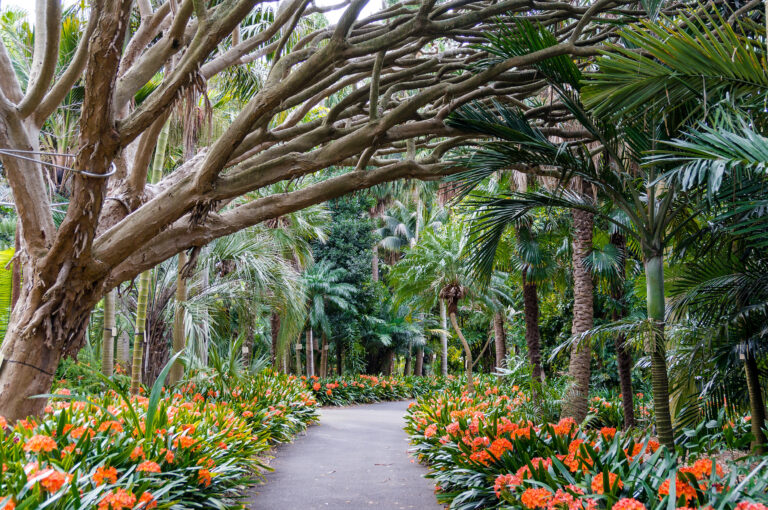
They found that green spaces and water can reduce temperatures in cities by shading and because water vapor given off by plants or water bodies cools the air by evaporation. Although there was variation depending on local factors, there were some general patterns; by and large, the larger the area of green space or waterway, the greater the cooling effect.

The average temperature reductions were: -5°C for botanical gardens; -4.7°C for wetlands; -4.5°C for rain gardens; -4.1°C for green walls; -3.8°C for street trees; -3.5°C for city farms; -3.2°C for parks; -2.9°C for reservoirs; and -2.9°C for playgrounds.

Prof. Jones explained, “Our study provides comprehensive evidence of the extent of the cooling effect of green spaces and waterways, and identifies features where we need more information on their cooling potential. In addition to reducing temperatures in urban areas, green and blue infrastructure projects can also store carbon, improve air quality and reduce flooding. Our research will therefore help town planners make cities more resilient to the effects of climate change, as well as improve the health and well-being of their residents.”

For more key hydrology updates from the meteorological technology industry, click here.

Previous ArticleUniversity of Reading improves early warnings for fog
Next Article Met Éireann hosts National Framework for Climate Services’ inaugural workshop

Read Similar Stories

Climate Measurement

BAMS report: 2025 set records for greenhouse gases, glacier loss and soil dryness

August 12, 20263 Mins Read
Climate Measurement

Sonardyne provides navigation support to BAS GIANT climate mission studying Greenland’s glaciers

July 16, 20263 Mins Read
Climate Measurement

Highest June sea surface temperatures recorded as El Niño develops, Copernicus confirms

July 1, 20262 Mins Read
Latest News

WMO forecasts very strong El Niño, with severe weather risks increasing into 2027

September 3, 2026

One month to go until Meteorological Technology World Expo returns to Amsterdam

September 3, 2026

EXCLUSIVE INTERVIEW: Maarten van Aalst, director-general, KNMI

September 2, 2026

Receive breaking stories and features in your inbox each week, for free


Enter your email address:


Supplier Spotlights
  • Nel Hydrogen
Getting in Touch
  • Contact Us / Advertise
  • Meet the Editors
  • Media Pack
  • Free Weekly E-Newsletter
Our Social Channels
  • Facebook
  • LinkedIn
© 2026 UKi Media & Events a division of UKIP Media & Events Ltd
  • Cookie Policy
  • Privacy Policy
  • Terms and Conditions
  • Notice and Takedown Policy

Type above and press Enter to search. Press Esc to cancel.