


Close Menu
Meteorological Technology International
  • News
    • A-E
      • Agriculture
      • Artificial Intelligence
      • Automated Weather Stations
      • Aviation
      • Climate Measurement
      • Data
      • Developing Countries
      • Digital Applications
      • Early Warning Systems
      • Extreme Weather
    • G-P
      • Hydrology
      • Lidar
      • Lightning Detection
      • New Appointments
      • Nowcasting
      • Numerical Weather Prediction
      • Polar Weather
    • R-S
      • Radar
      • Rainfall
      • Remote Sensing
      • Renewable Energy
      • Satellites
      • Solar
      • Space Weather
      • Supercomputers
    • T-Z
      • Training
      • Transport
      • Weather Instruments
      • Wind
      • World Meteorological Organization
      • Meteorological Technology World Expo
  • Features
  • Online Magazines
    • January 2026
    • April 2025
    • January 2025
    • September 2024
    • April 2024
    • Archive Issues
    • Subscribe Free!
  • Opinion
  • Videos
  • Supplier Spotlight
  • Expo
LinkedIn X (Twitter) Facebook
  • Sign-up for Free Weekly E-Newsletter
  • Meet the Editors
  • Contact Us
  • Media Pack
LinkedIn Facebook
Subscribe
Meteorological Technology International
  • News
      • Agriculture
      • Artificial Intelligence
      • Automated Weather Stations
      • Aviation
      • Climate Measurement
      • Data
      • Developing Countries
      • Digital Applications
      • Early Warning Systems
      • Extreme Weather
      • Hydrology
      • Lidar
      • Lightning Detection
      • New Appointments
      • Nowcasting
      • Numerical Weather Prediction
      • Polar Weather
      • Radar
      • Rainfall
      • Remote Sensing
      • Renewable Energy
      • Satellites
      • Solar
      • Space Weather
      • Supercomputers
      • Training
      • Transport
      • Weather Instruments
      • Wind
      • World Meteorological Organization
      • Meteorological Technology World Expo
  • Features
  • Online Magazines
    1. April 2026
    2. January 2026
    3. September 2025
    4. April 2025
    5. January 2025
    6. September 2024
    7. April 2024
    8. January 2024
    9. Archive Issues
    10. Subscribe Free!
    Featured
    May 5, 2026

    In this Issue – April 2026

    By Web TeamMay 5, 2026
    Recent

    In this Issue – April 2026

    May 5, 2026

    In this Issue – January 2026

    November 27, 2025

    In this Issue – September 2025

    August 11, 2025
  • Opinion
  • Videos
  • Supplier Spotlight
  • Expo
Facebook LinkedIn
Subscribe
Meteorological Technology International
Lightning Detection

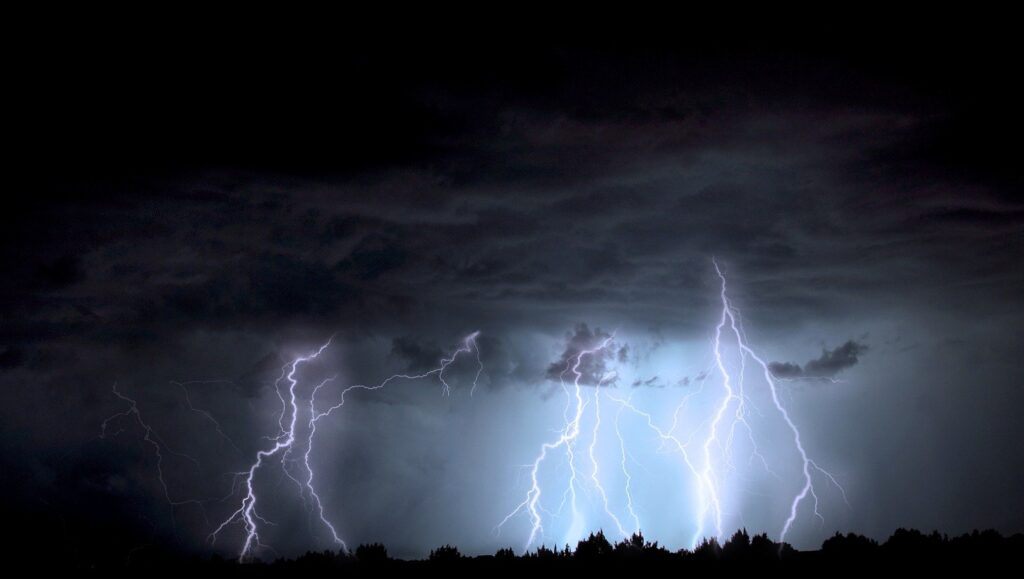
GOES-R satellite imagery combined with AI to predict future lightning strikes

Dan SymondsBy Dan SymondsAugust 18, 20212 Mins Read
Share LinkedIn Facebook Twitter Email
Credit: Pixabay
Share
LinkedIn Facebook Twitter Email

The University of Wisconsin’s Cooperative Institute for Meteorological Satellite Studies (CIMSS) has used artificial intelligence (AI) to predict where the GOES-R Geostationary Lightning Mapper (GLM) will observe lightning next.

The GOES-R GLM is the first instrument of its kind in geostationary orbit and provides detailed satellite data that not only depicts current weather conditions, but also helps predict hazardous conditions in the future.

Developed as part of ProbSevere, a statistical model that predicts the probability that a storm will produce severe weather in the near-term, scientist John Cintineo trained a sophisticated machine-learning algorithm to recognize complex patterns in GOES-R Advanced Baseline Imager (ABI) imagery that often precede lightning activity detected by GLM.

The AI model reliably predicts where lightning is most likely to occur even before precipitation forms and indicates where lightning remains a threat in storms with intermittent lightning activity. It can also accurately predict lightning up to 60 minutes before the first observation of lightning flashes.

This new experimental AI application is currently being tested in real time and has the potential to significantly improve guidance for aviation and marine transportation as well as decision support services for outdoor recreational activities like sporting events, festivals and theme parks. It could even help predict when lightning may strike areas primed for lightning-ignited wildfires, such as those with an abundance of dry fuels experiencing specific weather patterns like high-pressure cells over the Western USA that contain moist, monsoon-like air masses.

Mike Pavolonis, the NOAA scientist who leads the ProbSevere project, said, “As John’s work shows, machine learning is opening the door to new satellite applications that directly address major societal challenges in ways that were not previously possible.”

Previous ArticleLightvessel replacement buoy equipped with Met Office reporting technology
Next Article Latin America among the regions most challenged by extreme weather events, finds WMO report

Read Similar Stories

Artificial Intelligence

CMA launches MAZU-FengYun Satellite AI Box to strengthen global early warning systems

July 24, 20262 Mins Read
Early Warning Systems

NOAA and SpectraRep to evaluate broadcast datacasting for weather radio resiliency

July 23, 20262 Mins Read
Satellites

NASA’s SunRISE mission switches to SpaceX Falcon Heavy launch vehicle

July 15, 20262 Mins Read
Latest News

FEATURE: Turning forecast verification into a public benchmark

July 29, 2026

NOAA to move weather forecasting supercomputing to Google Cloud

July 28, 2026

LSI Lastem launches PRTHL thermo-hygro-barometer for environmental monitoring

July 27, 2026

Receive breaking stories and features in your inbox each week, for free


Enter your email address:


Supplier Spotlights
  • GAMIC GmbH
Getting in Touch
  • Contact Us / Advertise
  • Meet the Editors
  • Media Pack
  • Free Weekly E-Newsletter
Our Social Channels
  • Facebook
  • LinkedIn
© 2026 UKi Media & Events a division of UKIP Media & Events Ltd
  • Cookie Policy
  • Privacy Policy
  • Terms and Conditions
  • Notice and Takedown Policy

Type above and press Enter to search. Press Esc to cancel.