


Close Menu
Meteorological Technology International
  • News
    • A-E
      • Agriculture
      • Automated Weather Stations
      • Aviation
      • Climate Measurement
      • Data
      • Developing Countries
      • Digital Applications
      • Early Warning Systems
      • Extreme Weather
    • G-P
      • Hydrology
      • Lidar
      • Lightning Detection
      • New Appointments
      • Nowcasting
      • Numerical Weather Prediction
      • Polar Weather
    • R-S
      • Radar
      • Rainfall
      • Remote Sensing
      • Renewable Energy
      • Satellites
      • Solar
      • Space Weather
      • Supercomputers
    • T-Z
      • Training
      • Transport
      • Weather Instruments
      • Wind
      • World Meteorological Organization
      • Meteorological Technology World Expo
  • Features
  • Online Magazines
    • January 2026
    • April 2025
    • January 2025
    • September 2024
    • April 2024
    • Archive Issues
    • Subscribe Free!
  • Opinion
  • Videos
  • Supplier Spotlight
  • Expo
LinkedIn X (Twitter) Facebook
  • Sign-up for Free Weekly E-Newsletter
  • Meet the Editors
  • Contact Us
  • Media Pack
LinkedIn Facebook
Subscribe
Meteorological Technology International
  • News
      • Agriculture
      • Automated Weather Stations
      • Aviation
      • Climate Measurement
      • Data
      • Developing Countries
      • Digital Applications
      • Early Warning Systems
      • Extreme Weather
      • Hydrology
      • Lidar
      • Lightning Detection
      • New Appointments
      • Nowcasting
      • Numerical Weather Prediction
      • Polar Weather
      • Radar
      • Rainfall
      • Remote Sensing
      • Renewable Energy
      • Satellites
      • Solar
      • Space Weather
      • Supercomputers
      • Training
      • Transport
      • Weather Instruments
      • Wind
      • World Meteorological Organization
      • Meteorological Technology World Expo
  • Features
  • Online Magazines
    1. January 2026
    2. September 2025
    3. April 2025
    4. January 2025
    5. September 2024
    6. April 2024
    7. January 2024
    8. September 2023
    9. April 2023
    10. Archive Issues
    11. Subscribe Free!
    Featured
    November 27, 2025

    In this Issue – January 2026

    By Hazel KingNovember 27, 2025
    Recent

    In this Issue – January 2026

    November 27, 2025

    In this Issue – September 2025

    August 11, 2025

    In this Issue – April 2025

    April 15, 2025
  • Opinion
  • Videos
  • Supplier Spotlight
  • Expo
Facebook LinkedIn
Subscribe
Meteorological Technology International
Lightning Detection

Lightning activity dropped 8% during 2020 lockdowns, finds report

Dan SymondsBy Dan SymondsDecember 14, 20212 Mins Read
Share LinkedIn Facebook Twitter Email
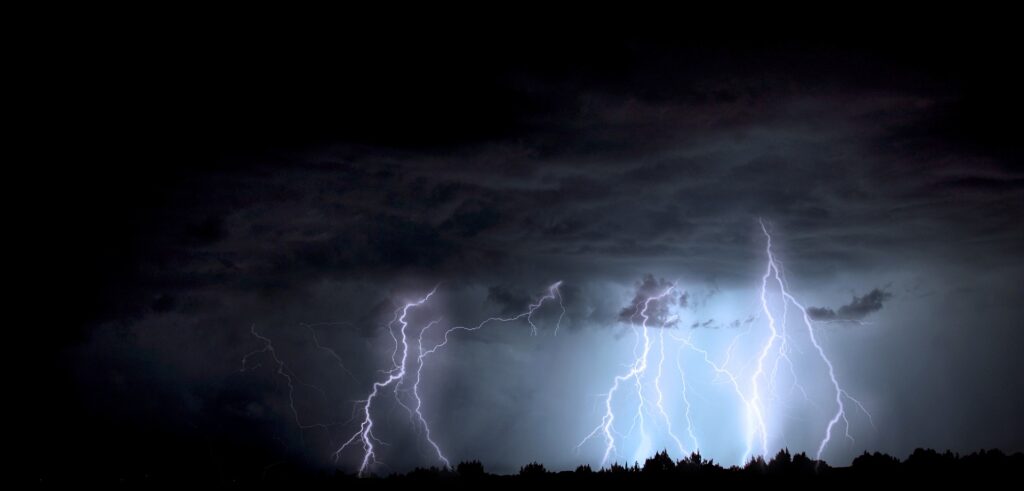
Credit: Pixabay
Share
LinkedIn Facebook Twitter Email

Global lightning activity dropped almost 8% during the 2020 Covid-19 lockdowns, according to new research from the Massachusetts Institute of Technology (MIT).

Presented at the AGU Fall Meeting, the research has attributed the cause of the drop to a connection between lightning and air pollution.

The findings were presented by Yakun Liu, a meteorological researcher at MIT, who said that the lockdowns had resulted in a reduction in pollution across the globe. According to Liu, less pollution means fewer microscopic particles hazing the sky and serving as points of nucleation for water droplets and ice crystals. Fewer tiny ice crystals in storm clouds means fewer collisions of crystals, which Liu and other researchers believed to be one of the ways thunderheads generate electrical charges that lead to lightning.

The three-month lockdown period from March to May 2020 proved to be a valuable opportunity to test this idea by studying global lightning and aerosol data.

To measure the lightning activity, researchers used data from the Global Lightning Detection Network (GLD360) and the World Wide Lightning Location Network (WWLLN). For the aerosols they looked at satellite data showing the amount of air pollution in the atmosphere, measured as Aerosol Optical Depth, which is based on the way aerosols absorb and reflect light.

Comparing the years 2018 to 2021, season to season, the researchers found a significant drop in lightning and aerosols in most places during the lockdown, as well as a significant drop in lightning activity worldwide. They found aerosol pollution and lightning generally followed the same pattern or tracked each other over Africa, Europe, Asia and the maritime countries of Southeast Asia, and smaller increases over much of the Americas.

This new research follows previous research by Liu and his colleagues, published earlier this year in the AGU journal Geophysical Research Letters, which showed dramatically how aerosols can affect lightning.

In that paper the researchers showed that lightning activity jumped as much as 270% compared with the same time period the year before over the Tasman Sea when the smoke from Australia’s catastrophic 2019-2020 wildfires blew over the water.

The effect of lightning over the ocean is especially telling, said Liu, because the ocean is flat and less variable in temperature, and so less likely to influence how thunderclouds form or behave. That allows the effects of aerosols to shine through.

Previous ArticleECMWF supercomputing resources to increase five-fold from 2022
Next Article Marine aerosols identified as cause of low-level summer ice-cloud formation over the Southern Ocean

Read Similar Stories

Data

Atmospheric G2 secures Japan weather forecasting license

April 21, 20262 Mins Read
Climate Measurement

China completes Antarctic meteorological research mission with Xuelong icebreaker

April 21, 20262 Mins Read
Space Weather

Northumbria University secures £4m to study Earth’s radiation belts

April 16, 20262 Mins Read
Latest News

Extreme heat posing significant risks to ecosystems and agriculture, FAO-WMO report warns

April 22, 2026

Atmospheric G2 secures Japan weather forecasting license

April 21, 2026

China completes Antarctic meteorological research mission with Xuelong icebreaker

April 21, 2026

Receive breaking stories and features in your inbox each week, for free


Enter your email address:


Supplier Spotlights
  • Baron
Getting in Touch
  • Contact Us / Advertise
  • Meet the Editors
  • Media Pack
  • Free Weekly E-Newsletter
Our Social Channels
  • Facebook
  • LinkedIn
© 2026 UKi Media & Events a division of UKIP Media & Events Ltd
  • Cookie Policy
  • Privacy Policy
  • Terms and Conditions
  • Notice and Takedown Policy

Type above and press Enter to search. Press Esc to cancel.