


Close Menu
Meteorological Technology International
  • News
    • A-E
      • Agriculture
      • Automated Weather Stations
      • Aviation
      • Climate Measurement
      • Data
      • Developing Countries
      • Digital Applications
      • Early Warning Systems
      • Extreme Weather
    • G-P
      • Hydrology
      • Lidar
      • Lightning Detection
      • New Appointments
      • Nowcasting
      • Numerical Weather Prediction
      • Polar Weather
    • R-S
      • Radar
      • Rainfall
      • Remote Sensing
      • Renewable Energy
      • Satellites
      • Solar
      • Space Weather
      • Supercomputers
    • T-Z
      • Training
      • Transport
      • Weather Instruments
      • Wind
      • World Meteorological Organization
      • Meteorological Technology World Expo
  • Features
  • Online Magazines
    • January 2026
    • April 2025
    • January 2025
    • September 2024
    • April 2024
    • Archive Issues
    • Subscribe Free!
  • Opinion
  • Videos
  • Supplier Spotlight
  • Expo
LinkedIn X (Twitter) Facebook
  • Sign-up for Free Weekly E-Newsletter
  • Meet the Editors
  • Contact Us
  • Media Pack
LinkedIn Facebook
Subscribe
Meteorological Technology International
  • News
      • Agriculture
      • Automated Weather Stations
      • Aviation
      • Climate Measurement
      • Data
      • Developing Countries
      • Digital Applications
      • Early Warning Systems
      • Extreme Weather
      • Hydrology
      • Lidar
      • Lightning Detection
      • New Appointments
      • Nowcasting
      • Numerical Weather Prediction
      • Polar Weather
      • Radar
      • Rainfall
      • Remote Sensing
      • Renewable Energy
      • Satellites
      • Solar
      • Space Weather
      • Supercomputers
      • Training
      • Transport
      • Weather Instruments
      • Wind
      • World Meteorological Organization
      • Meteorological Technology World Expo
  • Features
  • Online Magazines
    1. January 2026
    2. September 2025
    3. April 2025
    4. January 2025
    5. September 2024
    6. April 2024
    7. January 2024
    8. September 2023
    9. April 2023
    10. Archive Issues
    11. Subscribe Free!
    Featured
    November 27, 2025

    In this Issue – January 2026

    By Hazel KingNovember 27, 2025
    Recent

    In this Issue – January 2026

    November 27, 2025

    In this Issue – September 2025

    August 11, 2025

    In this Issue – April 2025

    April 15, 2025
  • Opinion
  • Videos
  • Supplier Spotlight
  • Expo
Facebook LinkedIn
Subscribe
Meteorological Technology International
Hydrology

NOAA research enables scientists to better predict meteotsunamis

Helen NormanBy Helen NormanApril 6, 20212 Mins Read
Share LinkedIn Facebook Twitter Email
NOAA
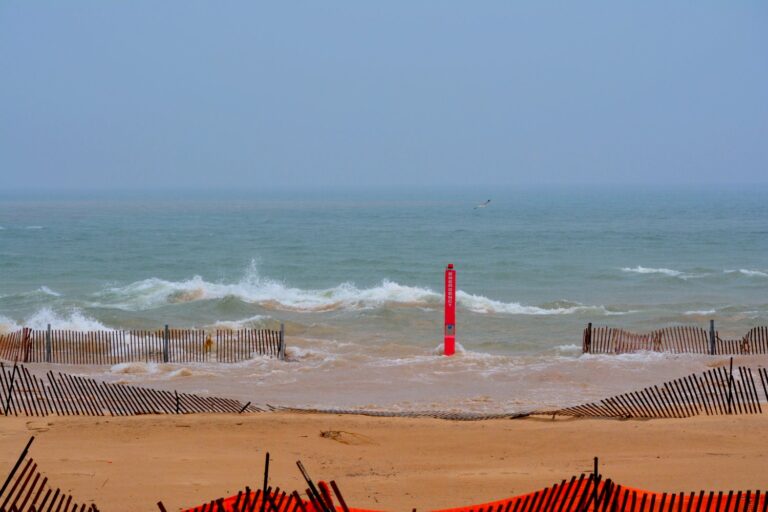
The Lake Michigan meteotsunami reached high water marks and flooded beaches in Ludington, Michigan on April 13, 2018. Photo: Debbie Maglothin.
Share
LinkedIn Facebook Twitter Email

A series of new papers by NOAA research scientists has revealed how existing NOAA numerical weather prediction models and hydrodynamic forecast models may enable scientists to better predict meteotsunamis.

The findings follow NOAA research, which looked at an event on April 13, 2018, where a large wave of water surged across Lake Michigan and flooded the shores of Ludington, Michigan. NOAA scientists used local images and data to reconstruct the event in models and determined that it was the first-ever documented meteotsunami in the Great Lakes caused by an atmospheric inertia-gravity wave.

According to NOAA, an atmospheric inertia-gravity wave is a wave of air that can run from 6-60 miles long. It is created when a mass of stable air is displaced by an air mass with significantly different pressure. This sets in motion a wave of air with rising and falling pressure that can influence the water below.

Meteotsunamis generated from this type atmospheric condition are common around the globe, but in the Great Lakes, the few well documented meteotsunamis have been driven by sudden severe thunderstorms where both winds and air pressure changes have played significant roles.

The NOAA research has been published in a special issue of the journal Natural Hazards. The research based on the Ludington wave demonstrates that existing NOAA numerical weather prediction models and hydrodynamic forecast models may enable scientists to predict these meteotsunami-driving atmospheric waves minutes to hours in advance.

“The good news with this type of meteotsunami is that it is easier to predict than ones triggered by thunderstorms,” said Eric Anderson, an oceanographer at NOAA’s Great Lakes Environmental Research Laboratory and lead author of the study. “Our short-range weather models can pick up these atmospheric pressure waves, whereas predicting thunderstorms is more difficult.”

Previous ArticleOrbital Micro reveals capabilities of next-gen cubesats
Next Article Stanford University leads new project to better understand gravity waves

Read Similar Stories

Climate Measurement

Study identifies atmospheric trigger behind flash droughts in Puerto Rico

April 15, 20263 Mins Read
Climate Measurement

Regional training aims to improve flood forecasting in Central Africa

April 1, 20263 Mins Read
Rainfall

New research to improve flash flood warnings in rural Virginia

March 17, 20263 Mins Read
Latest News

WMO signals increasing likelihood of El Niño developing in 2026

April 24, 2026

Alabama partners with Climavision to expand weather radar coverage statewide

April 24, 2026

Extreme heat posing significant risks to ecosystems and agriculture, FAO-WMO report warns

April 22, 2026

Receive breaking stories and features in your inbox each week, for free


Enter your email address:


Supplier Spotlights
  • Sommer GmbH
Getting in Touch
  • Contact Us / Advertise
  • Meet the Editors
  • Media Pack
  • Free Weekly E-Newsletter
Our Social Channels
  • Facebook
  • LinkedIn
© 2026 UKi Media & Events a division of UKIP Media & Events Ltd
  • Cookie Policy
  • Privacy Policy
  • Terms and Conditions
  • Notice and Takedown Policy

Type above and press Enter to search. Press Esc to cancel.