


Close Menu
Meteorological Technology International
  • News
    • A-E
      • Agriculture
      • Automated Weather Stations
      • Aviation
      • Climate Measurement
      • Data
      • Developing Countries
      • Digital Applications
      • Early Warning Systems
      • Extreme Weather
    • G-P
      • Hydrology
      • Lidar
      • Lightning Detection
      • New Appointments
      • Nowcasting
      • Numerical Weather Prediction
      • Polar Weather
    • R-S
      • Radar
      • Rainfall
      • Remote Sensing
      • Renewable Energy
      • Satellites
      • Solar
      • Space Weather
      • Supercomputers
    • T-Z
      • Training
      • Transport
      • Weather Instruments
      • Wind
      • World Meteorological Organization
      • Meteorological Technology World Expo
  • Features
  • Online Magazines
    • January 2026
    • April 2025
    • January 2025
    • September 2024
    • April 2024
    • Archive Issues
    • Subscribe Free!
  • Opinion
  • Videos
  • Supplier Spotlight
  • Expo
LinkedIn X (Twitter) Facebook
  • Sign-up for Free Weekly E-Newsletter
  • Meet the Editors
  • Contact Us
  • Media Pack
LinkedIn Facebook
Subscribe
Meteorological Technology International
  • News
      • Agriculture
      • Automated Weather Stations
      • Aviation
      • Climate Measurement
      • Data
      • Developing Countries
      • Digital Applications
      • Early Warning Systems
      • Extreme Weather
      • Hydrology
      • Lidar
      • Lightning Detection
      • New Appointments
      • Nowcasting
      • Numerical Weather Prediction
      • Polar Weather
      • Radar
      • Rainfall
      • Remote Sensing
      • Renewable Energy
      • Satellites
      • Solar
      • Space Weather
      • Supercomputers
      • Training
      • Transport
      • Weather Instruments
      • Wind
      • World Meteorological Organization
      • Meteorological Technology World Expo
  • Features
  • Online Magazines
    1. January 2026
    2. September 2025
    3. April 2025
    4. January 2025
    5. September 2024
    6. April 2024
    7. January 2024
    8. September 2023
    9. April 2023
    10. Archive Issues
    11. Subscribe Free!
    Featured
    November 27, 2025

    In this Issue – January 2026

    By Hazel KingNovember 27, 2025
    Recent

    In this Issue – January 2026

    November 27, 2025

    In this Issue – September 2025

    August 11, 2025

    In this Issue – April 2025

    April 15, 2025
  • Opinion
  • Videos
  • Supplier Spotlight
  • Expo
Facebook LinkedIn
Subscribe
Meteorological Technology International
News

Scientists reconstruct history of largest ice shelf on Antarctic Peninsula

Helen NormanBy Helen NormanMay 19, 20213 Mins Read
Share LinkedIn Facebook Twitter Email
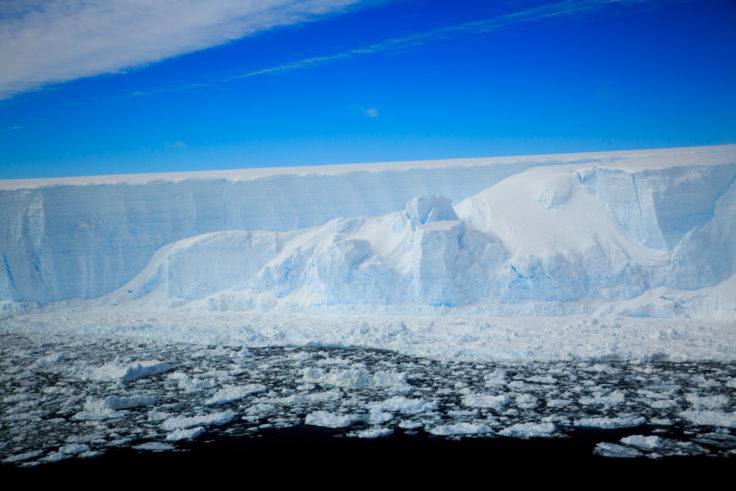
Larsen C iceberg
Larsen C Ice Shelf on the Antarctic Peninsula. Image: Ali Rose
Share
LinkedIn Facebook Twitter Email

Scientists have used geological records to create a much clearer picture of the pattern and extent of ice shelf break-ups in Antarctica.

In a study called the History of Larsen C Ice Shelf reconstructed from sub-ice shelf and offshore sediments, led by the British Antarctic Survey, scientists reconstructed the history of Larsen C Ice Shelf in Antarctica to enable them to better understand if and when it might collapse in the future.

Larsen C is the largest remaining remnant of a much more extensive area of ice on the Antarctic Peninsula that began to break up during the 1990s (Larsen A), and saw a huge collapse in 2002 (Larsen B).

Using hot water drilling technology to penetrate the 300m-thick ice shelf, scientists collected seabed sediment cores from beneath the Larsen C Ice Shelf in 2011. Data from these were combined with data from sediment cores recovered offshore a decade earlier, enabling the science team to reconstruct the first detailed history of the ice shelf.

The authors concluded that despite modest retreat and advances of the ice shelf front there was no significant collapse during the past 10,000 years.

Lead author, marine geologist Dr James Smith from British Antarctic Survey, said, “There is a huge international scientific effort underway to get a better understanding of what’s happening to Antarctica’s ice shelves. If we can understand what happened in the past we will have a sense of what might happen in the future. We can perhaps differentiate natural events that affect the ice shelves from environmental change related to human activity. This new study provides the final piece of the puzzle to the history of this largest remaining ice shelf on the eastern Peninsula.”

The team suggest that persistence of Larsen C, as well as Larsen B, implies that these ice shelves were more resilient to past climate warming because they were thicker, or that the heat from the atmosphere and ocean did not penetrate this far south.

In this context, the collapse of Larsen B in 2002 provided the first clue that the extent of contemporary ice shelf break-ups was starting to push further south than at any time during the past 10,000 years. Larsen C is also showing signs that it might be the next ice shelf in line to collapse.

“We now have a much clearer picture of the pattern and extent of ice shelf break-ups, both past and present. It starts in the north and progresses southward as the atmosphere and ocean warms. Should collapse of Larsen C happen, it would confirm that the magnitudes of ice loss along the eastern Antarctic Peninsula and underlying climate change are unprecedented during the past 10,000 years,” added Smith.

Previous ArticleNew Meteorological Technology World Expo for North America – heads to Chicago on May 4 & 5, 2022 
Next Article Climate change update reveals Arctic rate of warming faster than previously reported

Read Similar Stories

Climate Measurement

Windracers ULTRA drones to be deployed in Greenland on glacier surveying mission

March 12, 20263 Mins Read
Climate Measurement

Unmanned Antarctica atmospheric observation experiment advances in China

February 10, 20262 Mins Read
Climate Measurement

Robotic Argo float sends back first ocean transect beneath East Antarctic ice shelf

December 11, 20252 Mins Read
Latest News

Researchers investigate links between air pollution, extreme weather and climate

May 1, 2026

China expands MAZU early warning system for developing countries

April 30, 2026

Météo-France begins construction of France’s tallest weather radar tower in Sembadel

April 29, 2026

Receive breaking stories and features in your inbox each week, for free


Enter your email address:


Supplier Spotlights
  • Meteorage
Getting in Touch
  • Contact Us / Advertise
  • Meet the Editors
  • Media Pack
  • Free Weekly E-Newsletter
Our Social Channels
  • Facebook
  • LinkedIn
© 2026 UKi Media & Events a division of UKIP Media & Events Ltd
  • Cookie Policy
  • Privacy Policy
  • Terms and Conditions
  • Notice and Takedown Policy

Type above and press Enter to search. Press Esc to cancel.