


Close Menu
Meteorological Technology International
  • News
    • A-E
      • Agriculture
      • Automated Weather Stations
      • Aviation
      • Climate Measurement
      • Data
      • Developing Countries
      • Digital Applications
      • Early Warning Systems
      • Extreme Weather
    • G-P
      • Hydrology
      • Lidar
      • Lightning Detection
      • New Appointments
      • Nowcasting
      • Numerical Weather Prediction
      • Polar Weather
    • R-S
      • Radar
      • Rainfall
      • Remote Sensing
      • Renewable Energy
      • Satellites
      • Solar
      • Space Weather
      • Supercomputers
    • T-Z
      • Training
      • Transport
      • Weather Instruments
      • Wind
      • World Meteorological Organization
      • Meteorological Technology World Expo
  • Features
  • Online Magazines
    • January 2026
    • April 2025
    • January 2025
    • September 2024
    • April 2024
    • Archive Issues
    • Subscribe Free!
  • Opinion
  • Videos
  • Supplier Spotlight
  • Expo
LinkedIn X (Twitter) Facebook
  • Sign-up for Free Weekly E-Newsletter
  • Meet the Editors
  • Contact Us
  • Media Pack
LinkedIn Facebook
Subscribe
Meteorological Technology International
  • News
      • Agriculture
      • Automated Weather Stations
      • Aviation
      • Climate Measurement
      • Data
      • Developing Countries
      • Digital Applications
      • Early Warning Systems
      • Extreme Weather
      • Hydrology
      • Lidar
      • Lightning Detection
      • New Appointments
      • Nowcasting
      • Numerical Weather Prediction
      • Polar Weather
      • Radar
      • Rainfall
      • Remote Sensing
      • Renewable Energy
      • Satellites
      • Solar
      • Space Weather
      • Supercomputers
      • Training
      • Transport
      • Weather Instruments
      • Wind
      • World Meteorological Organization
      • Meteorological Technology World Expo
  • Features
  • Online Magazines
    1. January 2026
    2. September 2025
    3. April 2025
    4. January 2025
    5. September 2024
    6. April 2024
    7. January 2024
    8. September 2023
    9. April 2023
    10. Archive Issues
    11. Subscribe Free!
    Featured
    November 27, 2025

    In this Issue – January 2026

    By Hazel KingNovember 27, 2025
    Recent

    In this Issue – January 2026

    November 27, 2025

    In this Issue – September 2025

    August 11, 2025

    In this Issue – April 2025

    April 15, 2025
  • Opinion
  • Videos
  • Supplier Spotlight
  • Expo
Facebook LinkedIn
Subscribe
Meteorological Technology International
Satellites

China celebrates 50 years of weather satellite program

Lawrence ButcherBy Lawrence ButcherOctober 2, 20202 Mins Read
Share LinkedIn Facebook Twitter Email
Share
LinkedIn Facebook Twitter Email

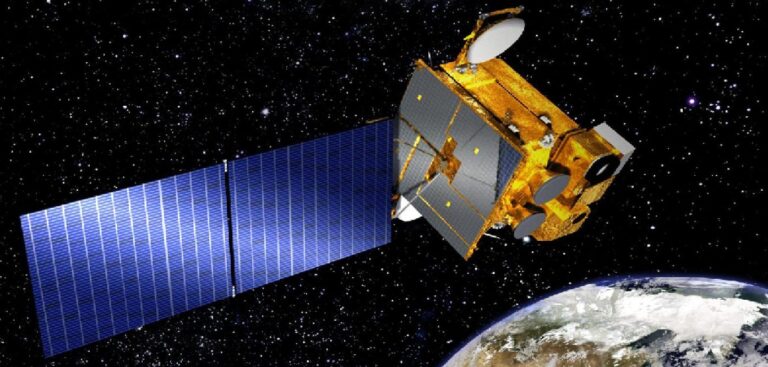
This year marks the 50th anniversary of China’s Fengyun meteorological satellite program. The China Meteorological Administration (CMA) says that over the past decades, a total of 17 Fengyun satellites have been launched, with seven currently in orbit.

CMA notes that it has, through 50 years’ efforts, both established a large meteorological satellite ground application system, and been one of the few countries operating both polar-orbiting and geostationary meteorological satellites in the world.

At present, Fengyun-3 polar-orbiting meteorological satellites provide morning and afternoon networking observations, obtaining global observation data four times a day. Meanwhile, Fengyun-2 and Fengyun-4 geostationary meteorological satellites are positioned over the equator and carry out continuous, minute-scale high frequency observation of the fixed area covering one third of the Earth.

Fengyun satellite data has been pivotal for the numerical weather prediction (NWP) independently developed by CMA. Furthermore, Fengyun-3 polar-orbiting satellite observing data has been used in most of the global NWP models. The satellite system is also an important component in the World Meteorological Organization’s (WMO) space-based observing system as well as its International Charter: Space and Major Disasters.

Marking the anniversary, CMA notes that its Fengyun satellites can further contribute to global disaster preparedness, with future satellite developments increasing their capabilities and thus the insight they can provide.

Previous ArticleWeather drones map Swiss debris slides
Next Article Climate Investment Funds joins Hydromet Alliance

Read Similar Stories

Space Weather

Northumbria University secures £4m to study Earth’s radiation belts

April 16, 20262 Mins Read
Extreme Weather

AI model improves real-time prediction of wildfire spread

April 16, 20263 Mins Read
Satellites

AI tool uses weather satellite data to map ocean currents in near real time

April 14, 20263 Mins Read
Latest News

Météo-France begins construction of France’s tallest weather radar tower in Sembadel

April 29, 2026

ForecastWatch expands with launch of new independent platform for weather forecast verification

April 28, 2026

European climate report highlights record heat, glacier loss and rising extremes

April 27, 2026

Receive breaking stories and features in your inbox each week, for free


Enter your email address:


Supplier Spotlights
  • Reuniwatt
Getting in Touch
  • Contact Us / Advertise
  • Meet the Editors
  • Media Pack
  • Free Weekly E-Newsletter
Our Social Channels
  • Facebook
  • LinkedIn
© 2026 UKi Media & Events a division of UKIP Media & Events Ltd
  • Cookie Policy
  • Privacy Policy
  • Terms and Conditions
  • Notice and Takedown Policy

Type above and press Enter to search. Press Esc to cancel.