

Close Menu
Meteorological Technology International
  • News
    • A-E
      • Agriculture
      • Automated Weather Stations
      • Aviation
      • Climate Measurement
      • Data
      • Developing Countries
      • Digital Applications
      • Early Warning Systems
      • Extreme Weather
    • G-P
      • Hydrology
      • Lidar
      • Lightning Detection
      • New Appointments
      • Nowcasting
      • Numerical Weather Prediction
      • Polar Weather
    • R-S
      • Radar
      • Rainfall
      • Remote Sensing
      • Renewable Energy
      • Satellites
      • Solar
      • Space Weather
      • Supercomputers
    • T-Z
      • Training
      • Transport
      • Weather Instruments
      • Wind
      • World Meteorological Organization
      • Meteorological Technology World Expo
  • Features
  • Online Magazines
    • January 2026
    • April 2025
    • January 2025
    • September 2024
    • April 2024
    • Archive Issues
    • Subscribe Free!
  • Opinion
  • Videos
  • Supplier Spotlight
  • Expo
LinkedIn X (Twitter) Facebook
  • Sign-up for Free Weekly E-Newsletter
  • Meet the Editors
  • Contact Us
  • Media Pack
LinkedIn Facebook
Subscribe
Meteorological Technology International
  • News
      • Agriculture
      • Automated Weather Stations
      • Aviation
      • Climate Measurement
      • Data
      • Developing Countries
      • Digital Applications
      • Early Warning Systems
      • Extreme Weather
      • Hydrology
      • Lidar
      • Lightning Detection
      • New Appointments
      • Nowcasting
      • Numerical Weather Prediction
      • Polar Weather
      • Radar
      • Rainfall
      • Remote Sensing
      • Renewable Energy
      • Satellites
      • Solar
      • Space Weather
      • Supercomputers
      • Training
      • Transport
      • Weather Instruments
      • Wind
      • World Meteorological Organization
      • Meteorological Technology World Expo
  • Features
  • Online Magazines
    1. April 2026
    2. January 2026
    3. September 2025
    4. April 2025
    5. January 2025
    6. September 2024
    7. April 2024
    8. January 2024
    9. Archive Issues
    10. Subscribe Free!
    Featured
    May 5, 2026

    In this Issue – April 2026

    By Web TeamMay 5, 2026
    Recent

    In this Issue – April 2026

    May 5, 2026

    In this Issue – January 2026

    November 27, 2025

    In this Issue – September 2025

    August 11, 2025
  • Opinion
  • Videos
  • Supplier Spotlight
  • Expo
Facebook LinkedIn
Subscribe
Meteorological Technology International
Extreme Weather

Training of flash flood forecasters accelerates in South Asia

Lawrence ButcherBy Lawrence ButcherJuly 15, 20203 Mins Read
Share LinkedIn Facebook Twitter Email
Share
LinkedIn Facebook Twitter Email

According the to the WMO, a global initiative to improve early warnings of flash floods has advanced in South Asia, just as the region is hit by unusually heavy monsoon rains and floods.

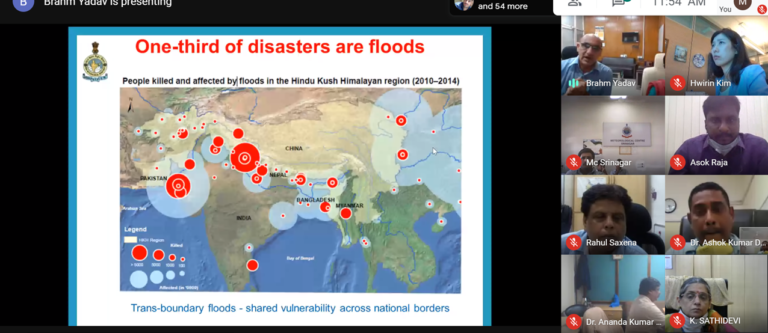
The India Meteorological Department (IMD), Regional Center of South Asia Flash Flood Guidance System, conducted online training for 130 forecasters from Bhutan, Bangladesh, India, Nepal and Sri Lanka earlier this month.

The department’s aim is to integrate flash food guidance products into operational forecasts which can be used by disaster managers both throughout India and in other participating countries by harnessing new technology, forecast tools, super computers and local expertise. It is part of the WMO’s global system which currently provides early warnings to three billion people – 40% of the world’s population – across more than 60 countries.

Flash floods and riverine floods contribute to major loss of life and property in South Asia during the monsoon season. Currently many Indian states in the Eastern Himalayan region are facing severe flood situations in major river basins.

“Thousands of people die in riverine and flash floods. Many of them could be saved by improved early warnings, information about the risks of these sudden-onset events and better water resource management. The training program is very important to ensure that the Flash Flood Guidance System is established and sustained for the Regional and National Centers in South Asia, which is a region prone to natural hazards such as flash floods, riverine floods and tropical cyclones,” said Hwirin Kim, head of WMO Hydrological and Water Resources Services Division.

The three-day training program, held virtually because of the Covid-19 pandemic, provided hands-on exercises and shared recent case study analysis from participating countries. A 30-day operational online information technology training session is also being given to 15 selected experts to ensure that the system is sustainable.

IMD said it provides value-added quantitative precipitation forecasts for the 153 flood-prone river basins through its 14 flood meteorological offices established across the country. A two-day online training program on July 1 and 2, 2020, was successfully conducted for 50 forecasters by IMD’s Hydromet Division, for improving the flood meteorological services of the country.

“These ambitious services and new initiatives have become a reality in this monsoon season and will definitely help in its sustainability in future,” said Dr. Mrutyunjay Mohapatra, director general of IMD.

“These trained forecasters will start operations across the region at local level for the whole flood season with the support and guidance of Regional Centre at New Delhi,” said B P Yadav, deputy director general (Hydromet) & head of regional operations of the South Asia Flash Flood Guidance System.

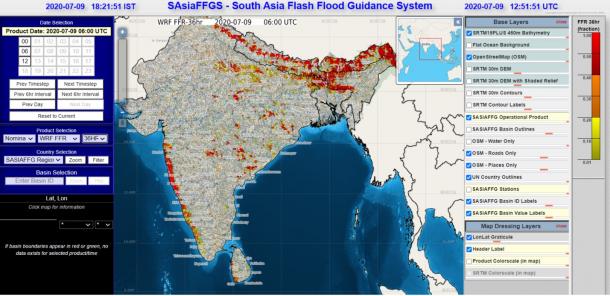
The South Asia Flash Flood Guidance System was launched in 2016, covering Bangladesh, Bhutan, India, Nepal and Sri Lanka. The India Meteorological Department (IMD) was selected as the regional center to provide forecast products and data to the participating countries and conduct verification studies in collaboration with the NMHSs (National Meteorological and Hydrological Services) and WMO.
 

Previous ArticleAustralia opens up access to weather data
Next Article Record Siberia temperatures could be attributed to human actions

Read Similar Stories

Extreme Weather

Impacts of extreme weather and rising temperatures intensify across Latin America and Caribbean

May 15, 20263 Mins Read
Automated Weather Stations

UNESCO hands over nine automated weather stations to the Ghana Meteorological Agency

May 12, 20262 Mins Read
Extreme Weather

Wildfires can create ‘burn scar heat islands’ that alter weather patterns, study finds

May 6, 20263 Mins Read
Latest News

R.M. Young Company reengineers SNOdar snow-depth sensor

May 21, 2026

SMILE mission launches to study Earth’s magnetic shield and space weather

May 20, 2026

Cloud measurement campaign targets improved climate model accuracy

May 20, 2026

Receive breaking stories and features in your inbox each week, for free


Enter your email address:


Supplier Spotlights
  • Meteomatics AG
Getting in Touch
  • Contact Us / Advertise
  • Meet the Editors
  • Media Pack
  • Free Weekly E-Newsletter
Our Social Channels
  • Facebook
  • LinkedIn
© 2026 UKi Media & Events a division of UKIP Media & Events Ltd
  • Cookie Policy
  • Privacy Policy
  • Terms and Conditions
  • Notice and Takedown Policy

Type above and press Enter to search. Press Esc to cancel.