


Close Menu
Meteorological Technology International
  • News
    • A-E
      • Agriculture
      • Automated Weather Stations
      • Aviation
      • Climate Measurement
      • Data
      • Developing Countries
      • Digital Applications
      • Early Warning Systems
      • Extreme Weather
    • G-P
      • Hydrology
      • Lidar
      • Lightning Detection
      • New Appointments
      • Nowcasting
      • Numerical Weather Prediction
      • Polar Weather
    • R-S
      • Radar
      • Rainfall
      • Remote Sensing
      • Renewable Energy
      • Satellites
      • Solar
      • Space Weather
      • Supercomputers
    • T-Z
      • Training
      • Transport
      • Weather Instruments
      • Wind
      • World Meteorological Organization
      • Meteorological Technology World Expo
  • Features
  • Online Magazines
    • January 2026
    • April 2025
    • January 2025
    • September 2024
    • April 2024
    • Archive Issues
    • Subscribe Free!
  • Opinion
  • Videos
  • Supplier Spotlight
  • Expo
LinkedIn X (Twitter) Facebook
  • Sign-up for Free Weekly E-Newsletter
  • Meet the Editors
  • Contact Us
  • Media Pack
LinkedIn Facebook
Subscribe
Meteorological Technology International
  • News
      • Agriculture
      • Automated Weather Stations
      • Aviation
      • Climate Measurement
      • Data
      • Developing Countries
      • Digital Applications
      • Early Warning Systems
      • Extreme Weather
      • Hydrology
      • Lidar
      • Lightning Detection
      • New Appointments
      • Nowcasting
      • Numerical Weather Prediction
      • Polar Weather
      • Radar
      • Rainfall
      • Remote Sensing
      • Renewable Energy
      • Satellites
      • Solar
      • Space Weather
      • Supercomputers
      • Training
      • Transport
      • Weather Instruments
      • Wind
      • World Meteorological Organization
      • Meteorological Technology World Expo
  • Features
  • Online Magazines
    1. January 2026
    2. September 2025
    3. April 2025
    4. January 2025
    5. September 2024
    6. April 2024
    7. January 2024
    8. September 2023
    9. April 2023
    10. Archive Issues
    11. Subscribe Free!
    Featured
    November 27, 2025

    In this Issue – January 2026

    By Hazel KingNovember 27, 2025
    Recent

    In this Issue – January 2026

    November 27, 2025

    In this Issue – September 2025

    August 11, 2025

    In this Issue – April 2025

    April 15, 2025
  • Opinion
  • Videos
  • Supplier Spotlight
  • Expo
Facebook LinkedIn
Subscribe
Meteorological Technology International
Videos

Vaisala releases video on robotic weather station on board NASA’s Perseverance rover

Helen NormanBy Helen NormanJuly 13, 20212 Mins Read
Share LinkedIn Facebook Twitter Email
Share
LinkedIn Facebook Twitter Email

In this video, Vaisala describes in detail the robotic weather station on board NASA’s Perseverance rover, which is currently conducting investigations on Mars.

The video features Jose Antonio Rodriguez Manfredi, principal investigator for the Mars Environmental Dynamic Analyzer (MEDA). He explains how the instrumentation is characterizing, monitoring and studying atmospheric dynamics on Mars. This information will be essential in the preparation for future human visits to the Red Planet.

The MEDA device package includes a measurement instrument designed by the Finnish Meteorological Institute. The instrument is based on Vaisala pressure and humidity sensors, used to gather accurate readings for the study of the Martian atmosphere.

Perseverance was launched in late July 2020 and reached its destination at Jezero Crater on Mars in February 2021. Together with the Curiosity Rover and NASA’s InSight Mars Lander, Perseverance forms the first meteorological observation network on another planet.
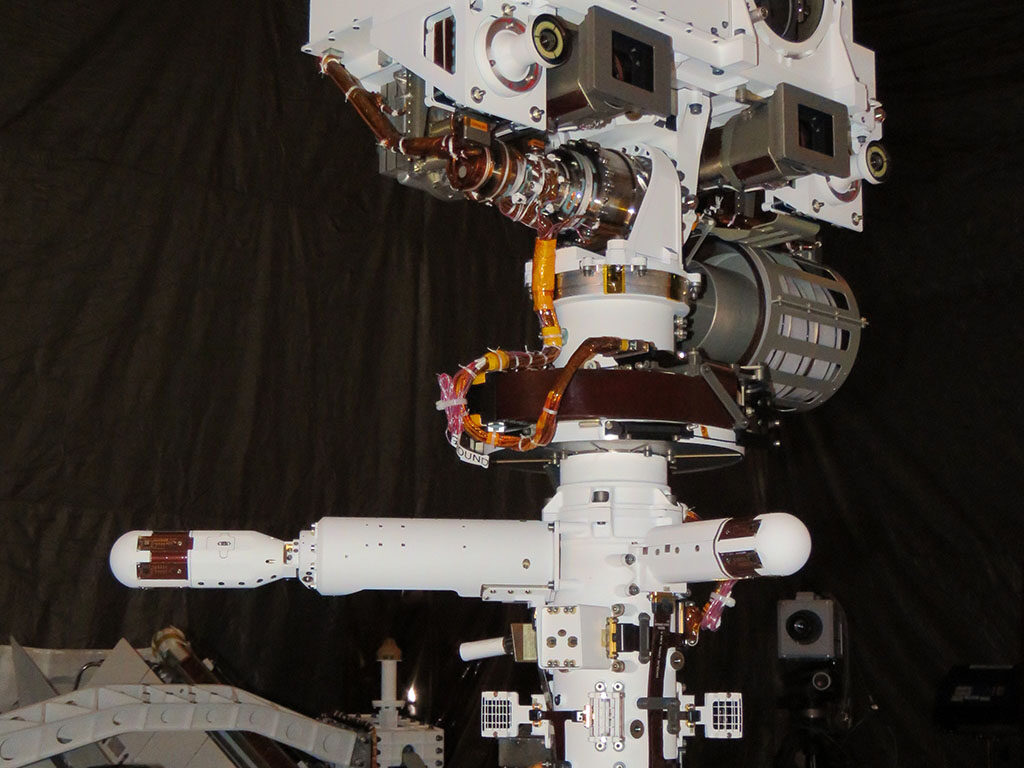
Image: NASA/JPL-Caltech

MEDA collects atmospheric measurements that will provide a regular weather report from Jezero Crater on Mars. Each of two horizontal booms mounted on the Mars 2020 rover’s mast is encircled by six wind detectors, which will measure the horizontal and vertical winds. Because they extend away from the rover, they avoid wind interference caused by the rover itself and record the wind speed from any direction.

Below the two wind sensor booms are three temperature sensors, which in combination with two more placed at the rover body, will measure the ambient temperature near the surface. Near the temperature sensors, other sensors will measure the relative humidity of the atmosphere, and the balance between the amount of infrared energy received from the sun and the amount reflected back to space. Data on wind, air, and ground temperature, air pressure, humidity, and radiation will help scientists understand ongoing weather patterns and plan for future human and robotic missions to Mars.

Previous ArticleAlliance for Hydromet report reveals benefits of effective weather and climate services
Next Article Saildrone advanced autonomous research vehicle completes ocean crossing

Read Similar Stories

Videos

VIDEO: EWR delivers mobile weather radar systems to NOAA

January 28, 20261 Min Read
Satellites

VIDEO: Meteosat Third Generation Sounder satellite launches into geostationary orbit

July 1, 20255 Mins Read
Aviation

VIDEO: NASA and US Naval Research Laboratory study wildfire-induced thunderstorms

June 17, 20252 Mins Read
Latest News

EWR Radar Systems wins US Air Force contract for portable Doppler radar support

April 20, 2026

Northumbria University secures £4m to study Earth’s radiation belts

April 16, 2026

AI model improves real-time prediction of wildfire spread

April 16, 2026

Receive breaking stories and features in your inbox each week, for free


Enter your email address:


Supplier Spotlights
  • Senseca
Getting in Touch
  • Contact Us / Advertise
  • Meet the Editors
  • Media Pack
  • Free Weekly E-Newsletter
Our Social Channels
  • Facebook
  • LinkedIn
© 2026 UKi Media & Events a division of UKIP Media & Events Ltd
  • Cookie Policy
  • Privacy Policy
  • Terms and Conditions
  • Notice and Takedown Policy

Type above and press Enter to search. Press Esc to cancel.