

Close Menu
Meteorological Technology International
  • News
    • A-E
      • Agriculture
      • Automated Weather Stations
      • Aviation
      • Climate Measurement
      • Data
      • Developing Countries
      • Digital Applications
      • Early Warning Systems
      • Extreme Weather
    • G-P
      • Hydrology
      • Lidar
      • Lightning Detection
      • New Appointments
      • Nowcasting
      • Numerical Weather Prediction
      • Polar Weather
    • R-S
      • Radar
      • Rainfall
      • Remote Sensing
      • Renewable Energy
      • Satellites
      • Solar
      • Space Weather
      • Supercomputers
    • T-Z
      • Training
      • Transport
      • Weather Instruments
      • Wind
      • World Meteorological Organization
      • Meteorological Technology World Expo
  • Features
  • Online Magazines
    • January 2026
    • April 2025
    • January 2025
    • September 2024
    • April 2024
    • Archive Issues
    • Subscribe Free!
  • Opinion
  • Videos
  • Supplier Spotlight
  • Expo
LinkedIn X (Twitter) Facebook
  • Sign-up for Free Weekly E-Newsletter
  • Meet the Editors
  • Contact Us
  • Media Pack
LinkedIn Facebook
Subscribe
Meteorological Technology International
  • News
      • Agriculture
      • Automated Weather Stations
      • Aviation
      • Climate Measurement
      • Data
      • Developing Countries
      • Digital Applications
      • Early Warning Systems
      • Extreme Weather
      • Hydrology
      • Lidar
      • Lightning Detection
      • New Appointments
      • Nowcasting
      • Numerical Weather Prediction
      • Polar Weather
      • Radar
      • Rainfall
      • Remote Sensing
      • Renewable Energy
      • Satellites
      • Solar
      • Space Weather
      • Supercomputers
      • Training
      • Transport
      • Weather Instruments
      • Wind
      • World Meteorological Organization
      • Meteorological Technology World Expo
  • Features
  • Online Magazines
    1. April 2026
    2. January 2026
    3. September 2025
    4. April 2025
    5. January 2025
    6. September 2024
    7. April 2024
    8. January 2024
    9. Archive Issues
    10. Subscribe Free!
    Featured
    May 5, 2026

    In this Issue – April 2026

    By Web TeamMay 5, 2026
    Recent

    In this Issue – April 2026

    May 5, 2026

    In this Issue – January 2026

    November 27, 2025

    In this Issue – September 2025

    August 11, 2025
  • Opinion
  • Videos
  • Supplier Spotlight
  • Expo
Facebook LinkedIn
Subscribe
Meteorological Technology International
Climate Measurement

Ocean currents changing due to Arctic sea ice melt

James MuirBy James MuirFebruary 12, 20203 Mins Read
Share LinkedIn Facebook Twitter Email
Share
LinkedIn Facebook Twitter Email

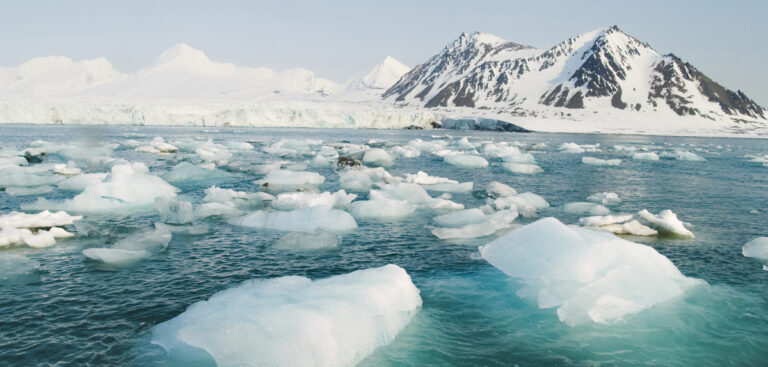
A major ocean current in the Arctic is faster and more turbulent due to rapid sea ice melt, according to a NASA study.

Using 12 years of satellite data measuring the circular current called the Beaufort Gyre, scientists say it has precariously balanced unprecedented amounts of cold, fresh water.

They say a change could alter currents in the Atlantic Ocean and cool Western Europe’s climate.

The Beaufort Gyre keeps the polar environment in equilibrium by storing fresh water near the surface of the ocean. Wind blows the gyre in a clockwise direction around the western Arctic Ocean, where it naturally collects fresh water from glacial melt, river run-off and precipitation.

The fresh water floats above the warmer, salty water and helps to protect the sea ice from melting.

The gyre then slowly releases the fresh water into the Atlantic Ocean over the decades, allowing currents to carry it away in small amounts.

Since the 1990s, the gyre has accumulated 1,920 cubic miles of fresh water due to the loss of sea ice in the summer and autumn.

The decades-long decline of summertime sea ice has left Beaufort Gyre more exposed to the wind, which spins the gyre faster and traps the fresh water in its current.

Persistent westerly winds have dragged the current in one direction for over 20 years, increasing the speed and size of the clockwise current and preventing the fresh water from leaving the Arctic Ocean.

Scientists are keeping an eye on the Beaufort Gyre because if the wind changes direction, it would reverse the current and release the water all at once.

Tom Armitage, lead author of the study and polar scientist at NASA’s Jet Propulsion Laboratory in Pasadena, California, said, “If the Beaufort Gyre were to release the excess fresh water into the Atlantic Ocean, it could potentially slow down its circulation. And that would have hemisphere-wide implications for the climate, especially in Western Europe.”

The study also found that while the Beaufort Gyre is out of balance due to the wind, the current expels excess energy by forming small, circular eddies of water.

Increased turbulence helps keep the system balanced, but has potential to lead to further ice melt because it mixes layers of cold, fresh water with relatively warm salt water below.

The melting ice could lead to changes in how nutrients and organic material in the ocean are mixed, significantly affecting the food chain and wildlife in the Arctic.

Alek Petty, co-author on the paper and polar scientist at NASA’s Goddard Space Flight Center in Greenbelt, Maryland, said, “What this study is showing is that the loss of sea ice has really important impacts on our climate system that we’re only just discovering.”

Previous ArticleCaribbean forecasters study the region’s weather
Next Article Study reveals world’s most vulnerable coastal city to climate change

Read Similar Stories

Climate Measurement

Cloud measurement campaign targets improved climate model accuracy

May 20, 20263 Mins Read
Videos

VIDEO: Meteosat-12 imagery over Europe and Africa made available via YouTube streams

May 19, 20262 Mins Read
Extreme Weather

Impacts of extreme weather and rising temperatures intensify across Latin America and Caribbean

May 15, 20263 Mins Read
Latest News

R.M. Young Company reengineers SNOdar snow-depth sensor

May 21, 2026

SMILE mission launches to study Earth’s magnetic shield and space weather

May 20, 2026

Cloud measurement campaign targets improved climate model accuracy

May 20, 2026

Receive breaking stories and features in your inbox each week, for free


Enter your email address:


Supplier Spotlights
  • Synoptic Data PBC
Getting in Touch
  • Contact Us / Advertise
  • Meet the Editors
  • Media Pack
  • Free Weekly E-Newsletter
Our Social Channels
  • Facebook
  • LinkedIn
© 2026 UKi Media & Events a division of UKIP Media & Events Ltd
  • Cookie Policy
  • Privacy Policy
  • Terms and Conditions
  • Notice and Takedown Policy

Type above and press Enter to search. Press Esc to cancel.