

Close Menu
Meteorological Technology International
  • News
    • A-E
      • Agriculture
      • Automated Weather Stations
      • Aviation
      • Climate Measurement
      • Data
      • Developing Countries
      • Digital Applications
      • Early Warning Systems
      • Extreme Weather
    • G-P
      • Hydrology
      • Lidar
      • Lightning Detection
      • New Appointments
      • Nowcasting
      • Numerical Weather Prediction
      • Polar Weather
    • R-S
      • Radar
      • Rainfall
      • Remote Sensing
      • Renewable Energy
      • Satellites
      • Solar
      • Space Weather
      • Supercomputers
    • T-Z
      • Training
      • Transport
      • Weather Instruments
      • Wind
      • World Meteorological Organization
      • Meteorological Technology World Expo
  • Features
  • Online Magazines
    • January 2026
    • April 2025
    • January 2025
    • September 2024
    • April 2024
    • Archive Issues
    • Subscribe Free!
  • Opinion
  • Videos
  • Supplier Spotlight
  • Expo
LinkedIn X (Twitter) Facebook
  • Sign-up for Free Weekly E-Newsletter
  • Meet the Editors
  • Contact Us
  • Media Pack
LinkedIn Facebook
Subscribe
Meteorological Technology International
  • News
      • Agriculture
      • Automated Weather Stations
      • Aviation
      • Climate Measurement
      • Data
      • Developing Countries
      • Digital Applications
      • Early Warning Systems
      • Extreme Weather
      • Hydrology
      • Lidar
      • Lightning Detection
      • New Appointments
      • Nowcasting
      • Numerical Weather Prediction
      • Polar Weather
      • Radar
      • Rainfall
      • Remote Sensing
      • Renewable Energy
      • Satellites
      • Solar
      • Space Weather
      • Supercomputers
      • Training
      • Transport
      • Weather Instruments
      • Wind
      • World Meteorological Organization
      • Meteorological Technology World Expo
  • Features
  • Online Magazines
    1. January 2026
    2. September 2025
    3. April 2025
    4. January 2025
    5. September 2024
    6. April 2024
    7. January 2024
    8. September 2023
    9. April 2023
    10. Archive Issues
    11. Subscribe Free!
    Featured
    November 27, 2025

    In this Issue – January 2026

    By Hazel KingNovember 27, 2025
    Recent

    In this Issue – January 2026

    November 27, 2025

    In this Issue – September 2025

    August 11, 2025

    In this Issue – April 2025

    April 15, 2025
  • Opinion
  • Videos
  • Supplier Spotlight
  • Expo
Facebook LinkedIn
Subscribe
Meteorological Technology International
Climate Measurement

Ozone treaty stops wind changes

James MuirBy James MuirMarch 30, 20202 Mins Read
Share LinkedIn Facebook Twitter Email
Share
LinkedIn Facebook Twitter Email

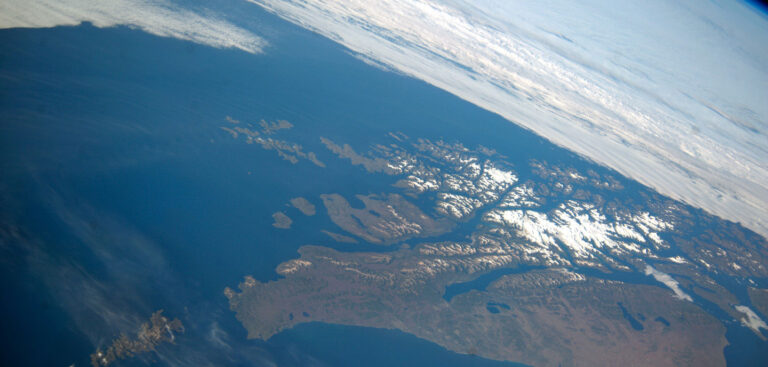
The atmospheric circulation of the Southern Hemisphere stopped expanding polewards as the ozone hole began recovering, US researchers have found.

A study by the University of Colorado Boulder says that after ozone-destroying substances were phased out with the Montreal Protocol of 1987, the concentration of chemicals in the stratosphere started to decline and the ozone hole began to recover around 2000.

The ozone hole forms every spring in the atmosphere over Antarctica, and ozone depletion cools the air, strengthening the winds of the polar vortex and affecting winds down to the lowest layer of Earth’s atmosphere.

Previous studies have linked the circulations to Southern Hemisphere weather changes including rainfall in South America, East Africa and Australia, and changes to ocean currents and salinity.

Antara Banerjee, a Cooperative Institute for Research in Environmental Sciences (CIRES) visiting fellow at the university who works in the Chemical Sciences Division at NOAA, was the lead author.

She said, “This study adds to growing evidence showing the profound effectiveness of the Montreal Protocol. Not only has the treaty spurred healing of the ozone layer, it’s also driving recent changes in Southern Hemisphere air circulation patterns.”

Banerjee added, “The challenge in this study was proving our hypothesis that ozone recovery is in fact driving these atmospheric circulation changes and it isn’t just a coincidence.”

Researchers used a two-step statistical technique called detection and attribution, detecting whether certain patterns of wind changes are unlikely to be due to natural variations alone.

Using computer simulations, the researchers determined that the observed pause in circulation trends could not be explained by natural shifts in wind alone.

They isolated the effects of ozone and greenhouse gases separately showing that while rising CO2 emissions have continued expanding near the near-surface circulation, only the ozone changes could explain the pause in circulation trends.

Banerjee said, “We term this a ‘pause’ because the poleward circulation trends might resume, stay flat, or reverse. It’s the tug of war between the opposing effects of ozone recovery and rising greenhouse gases that will determine future trends.”

Previous ArticleGrounded aircraft affects weather forecasts
Next Article Help the UK digitize rainfall records

Read Similar Stories

Agriculture

Extreme heat posing significant risks to ecosystems and agriculture, FAO-WMO report warns

April 22, 20263 Mins Read
Climate Measurement

China completes Antarctic meteorological research mission with Xuelong icebreaker

April 21, 20262 Mins Read
Extreme Weather

AI model improves real-time prediction of wildfire spread

April 16, 20263 Mins Read
Latest News

Extreme heat posing significant risks to ecosystems and agriculture, FAO-WMO report warns

April 22, 2026

Atmospheric G2 secures Japan weather forecasting license

April 21, 2026

China completes Antarctic meteorological research mission with Xuelong icebreaker

April 21, 2026

Receive breaking stories and features in your inbox each week, for free


Enter your email address:


Supplier Spotlights
  • Raymetrics
Getting in Touch
  • Contact Us / Advertise
  • Meet the Editors
  • Media Pack
  • Free Weekly E-Newsletter
Our Social Channels
  • Facebook
  • LinkedIn
© 2026 UKi Media & Events a division of UKIP Media & Events Ltd
  • Cookie Policy
  • Privacy Policy
  • Terms and Conditions
  • Notice and Takedown Policy

Type above and press Enter to search. Press Esc to cancel.