


Close Menu
Meteorological Technology International
  • News
    • A-E
      • Agriculture
      • Automated Weather Stations
      • Aviation
      • Climate Measurement
      • Data
      • Developing Countries
      • Digital Applications
      • Early Warning Systems
      • Extreme Weather
    • G-P
      • Hydrology
      • Lidar
      • Lightning Detection
      • New Appointments
      • Nowcasting
      • Numerical Weather Prediction
      • Polar Weather
    • R-S
      • Radar
      • Rainfall
      • Remote Sensing
      • Renewable Energy
      • Satellites
      • Solar
      • Space Weather
      • Supercomputers
    • T-Z
      • Training
      • Transport
      • Weather Instruments
      • Wind
      • World Meteorological Organization
      • Meteorological Technology World Expo
  • Features
  • Online Magazines
    • January 2026
    • April 2025
    • January 2025
    • September 2024
    • April 2024
    • Archive Issues
    • Subscribe Free!
  • Opinion
  • Videos
  • Supplier Spotlight
  • Expo
LinkedIn X (Twitter) Facebook
  • Sign-up for Free Weekly E-Newsletter
  • Meet the Editors
  • Contact Us
  • Media Pack
LinkedIn Facebook
Subscribe
Meteorological Technology International
  • News
      • Agriculture
      • Automated Weather Stations
      • Aviation
      • Climate Measurement
      • Data
      • Developing Countries
      • Digital Applications
      • Early Warning Systems
      • Extreme Weather
      • Hydrology
      • Lidar
      • Lightning Detection
      • New Appointments
      • Nowcasting
      • Numerical Weather Prediction
      • Polar Weather
      • Radar
      • Rainfall
      • Remote Sensing
      • Renewable Energy
      • Satellites
      • Solar
      • Space Weather
      • Supercomputers
      • Training
      • Transport
      • Weather Instruments
      • Wind
      • World Meteorological Organization
      • Meteorological Technology World Expo
  • Features
  • Online Magazines
    1. January 2026
    2. September 2025
    3. April 2025
    4. January 2025
    5. September 2024
    6. April 2024
    7. January 2024
    8. September 2023
    9. April 2023
    10. Archive Issues
    11. Subscribe Free!
    Featured
    November 27, 2025

    In this Issue – January 2026

    By Hazel KingNovember 27, 2025
    Recent

    In this Issue – January 2026

    November 27, 2025

    In this Issue – September 2025

    August 11, 2025

    In this Issue – April 2025

    April 15, 2025
  • Opinion
  • Videos
  • Supplier Spotlight
  • Expo
Facebook LinkedIn
Subscribe
Meteorological Technology International
Climate Measurement

Strong hurricanes re-energized by jet stream winds twice as likely to impact Europe

Dan SymondsBy Dan SymondsOctober 7, 20223 Mins Read
Share LinkedIn Facebook Twitter Email
Credit: Pixabay
Share
LinkedIn Facebook Twitter Email

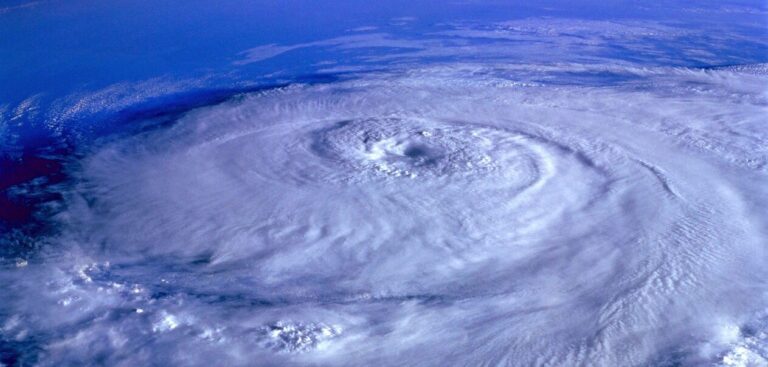
Stronger hurricanes that are re-energized by jet stream winds are twice as likely to cross the Atlantic and wreak havoc in Europe than weaker ones, according to a new study.

Researchers from the UK’s National Centre for Atmospheric Science (NCAS) and University of Reading looked to uncover the reasons behind why some hurricanes from North America and the Caribbean make it to Europe as ex-hurricanes, while others dissipate.

The team studied 180 ex-hurricanes over a 40-year period and found that stronger hurricanes are far more likely to reach Europe, and that those encountering strong jet stream winds often intensify, helping them to move further east. The jet stream is a core of strong winds around 5-7 miles above the Earth’s surface, blowing from west to east.

The research helps explain why ex-hurricanes impact Europe, which is particularly important as warmer ocean temperatures due to climate change are expected to make hurricanes stronger.

Dr Reinhard Schiemann, NCAS senior research scientist at the University of Reading, said, “Although the total number of tropical cyclones may not change much, or could even decrease, we expect to see increases in peak wind speeds [due to climate change]. So the fraction of category four and five cyclones – the worst and most destructive – will increase.

“It’s likely that the average rate of rainfall in tropical cyclones will also increase, and we expect that the most intense phase of tropical cyclones will tend to occur at higher latitudes than we’ve seen in the past,” he said.

Elliott Sainsbury, PhD researcher at the University of Reading, added, “Ex-hurricanes are fairly rare in Europe but can be deadly and destructive events, making it very important that we better understand why they arrive from across the ocean.

“We have now established this remarkably strong link with hurricane strength. As stronger hurricanes may become more frequent under climate change, we could also see more ex-hurricanes reaching Europe in the future. There are other factors to consider however, and more research into this question is needed.”

Cyclones are common in Europe, but only around two ex-hurricanes reach the continent each year, typically between August and November. However, they can bring extremely strong winds and heavy rainfall, with some of the strongest storms on record across Europe being ex-hurricanes.

Ex-hurricane Ophelia set a national wind speed record and killed three people in Ireland in 2017, while ex-hurricane Katia caused more than £100m (US$113m) of damage in Scotland in 2011.

To view the study published in the American Meteorological Society journal, click here.

Previous ArticleBureau of Meteorology opens Space Weather Forecasting Centre
Next Article MTWE EXHIBITOR: Spire Global awarded US$4m NOAA contract to deliver hyperspectral microwave sensing payload

Read Similar Stories

Early Warning Systems

China expands MAZU early warning system for developing countries

April 30, 20262 Mins Read
Radar

Météo-France begins construction of France’s tallest weather radar tower in Sembadel

April 29, 20262 Mins Read
Climate Measurement

European climate report highlights record heat, glacier loss and rising extremes

April 27, 20263 Mins Read
Latest News

China expands MAZU early warning system for developing countries

April 30, 2026

Météo-France begins construction of France’s tallest weather radar tower in Sembadel

April 29, 2026

ForecastWatch expands with launch of new independent platform for weather forecast verification

April 28, 2026

Receive breaking stories and features in your inbox each week, for free


Enter your email address:


Supplier Spotlights
  • EWR Radar Systems
Getting in Touch
  • Contact Us / Advertise
  • Meet the Editors
  • Media Pack
  • Free Weekly E-Newsletter
Our Social Channels
  • Facebook
  • LinkedIn
© 2026 UKi Media & Events a division of UKIP Media & Events Ltd
  • Cookie Policy
  • Privacy Policy
  • Terms and Conditions
  • Notice and Takedown Policy

Type above and press Enter to search. Press Esc to cancel.