


Close Menu
Meteorological Technology International
  • News
    • A-E
      • Agriculture
      • Automated Weather Stations
      • Aviation
      • Climate Measurement
      • Data
      • Developing Countries
      • Digital Applications
      • Early Warning Systems
      • Extreme Weather
    • G-P
      • Hydrology
      • Lidar
      • Lightning Detection
      • New Appointments
      • Nowcasting
      • Numerical Weather Prediction
      • Polar Weather
    • R-S
      • Radar
      • Rainfall
      • Remote Sensing
      • Renewable Energy
      • Satellites
      • Solar
      • Space Weather
      • Supercomputers
    • T-Z
      • Training
      • Transport
      • Weather Instruments
      • Wind
      • World Meteorological Organization
      • Meteorological Technology World Expo
  • Features
  • Online Magazines
    • January 2026
    • April 2025
    • January 2025
    • September 2024
    • April 2024
    • Archive Issues
    • Subscribe Free!
  • Opinion
  • Videos
  • Supplier Spotlight
  • Expo
LinkedIn X (Twitter) Facebook
  • Sign-up for Free Weekly E-Newsletter
  • Meet the Editors
  • Contact Us
  • Media Pack
LinkedIn Facebook
Subscribe
Meteorological Technology International
  • News
      • Agriculture
      • Automated Weather Stations
      • Aviation
      • Climate Measurement
      • Data
      • Developing Countries
      • Digital Applications
      • Early Warning Systems
      • Extreme Weather
      • Hydrology
      • Lidar
      • Lightning Detection
      • New Appointments
      • Nowcasting
      • Numerical Weather Prediction
      • Polar Weather
      • Radar
      • Rainfall
      • Remote Sensing
      • Renewable Energy
      • Satellites
      • Solar
      • Space Weather
      • Supercomputers
      • Training
      • Transport
      • Weather Instruments
      • Wind
      • World Meteorological Organization
      • Meteorological Technology World Expo
  • Features
  • Online Magazines
    1. January 2026
    2. September 2025
    3. April 2025
    4. January 2025
    5. September 2024
    6. April 2024
    7. January 2024
    8. September 2023
    9. April 2023
    10. Archive Issues
    11. Subscribe Free!
    Featured
    November 27, 2025

    In this Issue – January 2026

    By Hazel KingNovember 27, 2025
    Recent

    In this Issue – January 2026

    November 27, 2025

    In this Issue – September 2025

    August 11, 2025

    In this Issue – April 2025

    April 15, 2025
  • Opinion
  • Videos
  • Supplier Spotlight
  • Expo
Facebook LinkedIn
Subscribe
Meteorological Technology International
Climate Measurement

UCI study reveals greenhouse gas and aerosol emissions are intensifying droughts

Helen NormanBy Helen NormanMay 19, 20212 Mins Read
Share LinkedIn Facebook Twitter Email
Droughts
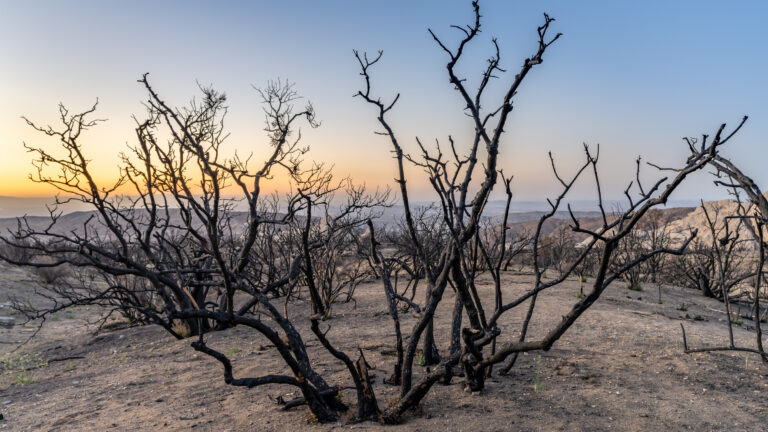
Droughts, such as the one impacting Devil’s Punchbowl on the northern slope of the San Gabriel Mountains in Los Angeles County, have increased in duration and severity over the past century. Image: Amir AghaKouchak/UCI
Share
LinkedIn Facebook Twitter Email

A new study led by the University of California, Irvine (UCI) has found that greenhouse gases and aerosol pollution emitted by human activities are responsible for increases in the frequency, intensity and duration of droughts around the world.

In the study, Evidence of anthropogenic impacts on global drought frequency, duration, and intensity, scientists in UCI’s Department of Civil and Environmental Engineering showed that over the past century, the likelihood of stronger and more long-lasting dry spells grew in the Americas, the Mediterranean, western and southern Africa and eastern Asia.

“There has always been natural variability in drought events around the world, but our research shows the clear human influence on drying, specifically from anthropogenic aerosols, carbon dioxide and other greenhouse gases,” said lead author Felicia Chiang, who conducted the project as a UCI graduate student in civil and environmental engineering.

Chiang, who is now a postdoctoral scholar at NASA’s Goddard Institute for Space Studies, said that her team’s research demonstrated significant shifts in drought characteristics, such as frequency, duration and intensity, due to human influence, or what they call “anthropogenic forcing”.

The researchers used the recently released Coupled Model Intercomparison Project Phase 6 platform to run climate simulations showing how the length and strength of droughts changes under various scenarios including “natural-only” and with the addition of greenhouse gas and aerosol emissions.

The modeling experiments under natural-only conditions did not show regional changes in drought characteristics from the late 19th to late 20th centuries, according to the study. But when the team accounted for anthropogenic greenhouse gas and aerosol contributions, statistically significant increases occurred in drought hotspots in southern Europe, Central and South America, western and southern Africa and eastern Asia.

The team found that in examining the anthropogenic forcings separately, greenhouse gases had a bigger impact in the Mediterranean, Central America, the Amazon and southern Africa, while anthropogenic aerosols played a larger role in Northern Hemisphere monsoonal and sub-arctic regions.

This study was supported by NOAA’s Climate Program Office and relied on climate modeling software provided by the US Department of Energy.

Previous ArticleEUMETSAT releases A Year of Weather 2020 video
Next Article New Meteorological Technology World Expo for North America – heads to Chicago on May 4 & 5, 2022 

Read Similar Stories

Climate Measurement

China completes Antarctic meteorological research mission with Xuelong icebreaker

April 21, 20262 Mins Read
Climate Measurement

Study identifies atmospheric trigger behind flash droughts in Puerto Rico

April 15, 20263 Mins Read
Satellites

AI tool uses weather satellite data to map ocean currents in near real time

April 14, 20263 Mins Read
Latest News

Extreme heat posing significant risks to ecosystems and agriculture, FAO-WMO report warns

April 22, 2026

Atmospheric G2 secures Japan weather forecasting license

April 21, 2026

China completes Antarctic meteorological research mission with Xuelong icebreaker

April 21, 2026

Receive breaking stories and features in your inbox each week, for free


Enter your email address:


Supplier Spotlights
  • ELDES S.r.l.
Getting in Touch
  • Contact Us / Advertise
  • Meet the Editors
  • Media Pack
  • Free Weekly E-Newsletter
Our Social Channels
  • Facebook
  • LinkedIn
© 2026 UKi Media & Events a division of UKIP Media & Events Ltd
  • Cookie Policy
  • Privacy Policy
  • Terms and Conditions
  • Notice and Takedown Policy

Type above and press Enter to search. Press Esc to cancel.