


Close Menu
Meteorological Technology International
  • News
    • A-E
      • Agriculture
      • Artificial Intelligence
      • Automated Weather Stations
      • Aviation
      • Climate Measurement
      • Data
      • Developing Countries
      • Digital Applications
      • Early Warning Systems
      • Extreme Weather
    • G-P
      • Hydrology
      • Lidar
      • Lightning Detection
      • New Appointments
      • Nowcasting
      • Numerical Weather Prediction
      • Polar Weather
    • R-S
      • Radar
      • Rainfall
      • Remote Sensing
      • Renewable Energy
      • Satellites
      • Solar
      • Space Weather
      • Supercomputers
    • T-Z
      • Training
      • Transport
      • Weather Instruments
      • Wind
      • World Meteorological Organization
      • Meteorological Technology World Expo
  • Features
  • Online Magazines
    • January 2026
    • April 2025
    • January 2025
    • September 2024
    • April 2024
    • Archive Issues
    • Subscribe Free!
  • Opinion
  • Videos
  • Supplier Spotlight
  • Expo
LinkedIn X (Twitter) Facebook
  • Sign-up for Free Weekly E-Newsletter
  • Meet the Editors
  • Contact Us
  • Media Pack
LinkedIn Facebook
Subscribe
Meteorological Technology International
  • News
      • Agriculture
      • Artificial Intelligence
      • Automated Weather Stations
      • Aviation
      • Climate Measurement
      • Data
      • Developing Countries
      • Digital Applications
      • Early Warning Systems
      • Extreme Weather
      • Hydrology
      • Lidar
      • Lightning Detection
      • New Appointments
      • Nowcasting
      • Numerical Weather Prediction
      • Polar Weather
      • Radar
      • Rainfall
      • Remote Sensing
      • Renewable Energy
      • Satellites
      • Solar
      • Space Weather
      • Supercomputers
      • Training
      • Transport
      • Weather Instruments
      • Wind
      • World Meteorological Organization
      • Meteorological Technology World Expo
  • Features
  • Online Magazines
    1. April 2026
    2. January 2026
    3. September 2025
    4. April 2025
    5. January 2025
    6. September 2024
    7. April 2024
    8. January 2024
    9. Archive Issues
    10. Subscribe Free!
    Featured
    May 5, 2026

    In this Issue – April 2026

    By Web TeamMay 5, 2026
    Recent

    In this Issue – April 2026

    May 5, 2026

    In this Issue – January 2026

    November 27, 2025

    In this Issue – September 2025

    August 11, 2025
  • Opinion
  • Videos
  • Supplier Spotlight
  • Expo
Facebook LinkedIn
Subscribe
Meteorological Technology International
Data

NASA launches US Greenhouse Gas Center to share climate data

Elizabeth BakerBy Elizabeth BakerDecember 4, 20233 Mins Read
Share LinkedIn Facebook Twitter Email
Share
LinkedIn Facebook Twitter Email

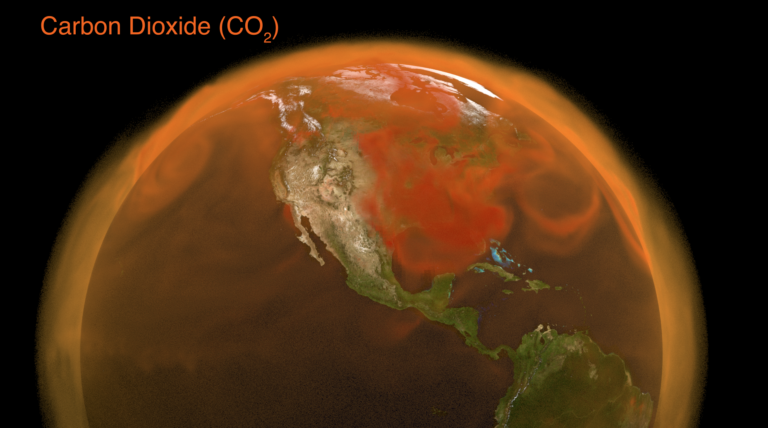
NASA has unveiled the US Greenhouse Gas Center during the 28th annual United Nations Climate Conference (COP28).

Built on open source principles, the US Greenhouse Gas Center’s data sets, related algorithms and supporting code are fully open source. This means anyone can test the data, algorithms and results. The center also includes user support and an analysis hub for users to perform advanced data analysis with computational resources and an interactive, visual interface for storytelling.

The center’s data catalog includes a curated collection of data sets that provide insights into greenhouse gas sources, sinks, emissions and fluxes. Initial information on the center website is focused on three areas: estimates of greenhouse gas emissions from human activities; naturally occurring greenhouse gas sources and sinks on land and in the ocean; and large methane emission event identification and quantification, leveraging aircraft and space-based data.

An example of a data set is the methane gas information detected by NASA’s Earth Surface Mineral Dust Source Investigation (EMIT) mission. Located on the International Space Station, EMIT is an imaging spectrometer that measures light in visible and infrared wavelengths and thus can measure the release of methane on Earth.

The US Greenhouse Gas Center will serve as a hub for collaboration between agencies across the US government as well as non-profit and private sector partners. Data, information and computer models from observations from the International Space Station and various satellite and airborne missions and ground stations are now available online.

As the lead implementing agency of the center, NASA partnered with the US Environmental Protection Agency (EPA), National Institute of Standards and Technology and National Oceanic and Atmospheric Administration. Scientists from each of these US federal agencies curated the catalog of greenhouse gas data sets and analysis tools.

The center is part of a broader administration effort to enhance greenhouse gas information, outlined in the recently released National Strategy to Advance an Integrated US Greenhouse Gas Measurement, Monitoring, and Information System.

“NASA data is essential to making the changes needed on the ground to protect our climate. The US Greenhouse Gas Center is another way the Biden-Harris Administration is working to make critical data available to more people – from scientists running data analyses to government officials making decisions on climate policy, to members of the public who want to understand how climate change will affect them,” said NASA administrator Bill Nelson. “We’re bringing space to Earth to benefit communities across the country.”

“A goal of the US Greenhouse Gas Center is to accelerate the collaborative use of Earth science data,” said Argyro Kavvada, center program manager at NASA Headquarters in Washington. “We’re working to get the right data into the hands of people who can use it to manage and track greenhouse gas emissions.”

For more key data updates from the meteorological technology industry, click here.

Previous ArticleBiden-Harris Administration awards US$7.2m to improve climate projections of extreme weather
Next Article UK Environment Agency publishes review of UK drought research and impacts

Read Similar Stories

Climate Measurement

WMO reports record dust storms in China and USA-Mexico border in 2025

July 13, 20263 Mins Read
Climate Measurement

Copernicus reports hottest June on record for Western Europe

July 9, 20262 Mins Read
Digital Applications

Synoptic Data awarded UK Met Office contract for weather data services

July 8, 20262 Mins Read
Latest News

Copernicus launches Fire Emissions Watch tool for global wildfire data

July 31, 2026

Climate models misrepresent key cloud behavior during El Niño, study finds

July 30, 2026

NOAA to move weather forecasting supercomputing to Google Cloud

July 28, 2026

Receive breaking stories and features in your inbox each week, for free


Enter your email address:


Supplier Spotlights
  • EUMETSAT
Getting in Touch
  • Contact Us / Advertise
  • Meet the Editors
  • Media Pack
  • Free Weekly E-Newsletter
Our Social Channels
  • Facebook
  • LinkedIn
© 2026 UKi Media & Events a division of UKIP Media & Events Ltd
  • Cookie Policy
  • Privacy Policy
  • Terms and Conditions
  • Notice and Takedown Policy

Type above and press Enter to search. Press Esc to cancel.