


China is expanding the international use of its MAZU (Multi-hazard, Alerts, Zero-gap and Universal) early warning system to support developing countries in responding to extreme weather and climate risks, according to the China Meteorological Administration.
Chen Zhenlin, head of the administration, said the system has gained global traction since its launch last year as part of China’s contribution to the United Nations Early Warnings for All initiative.
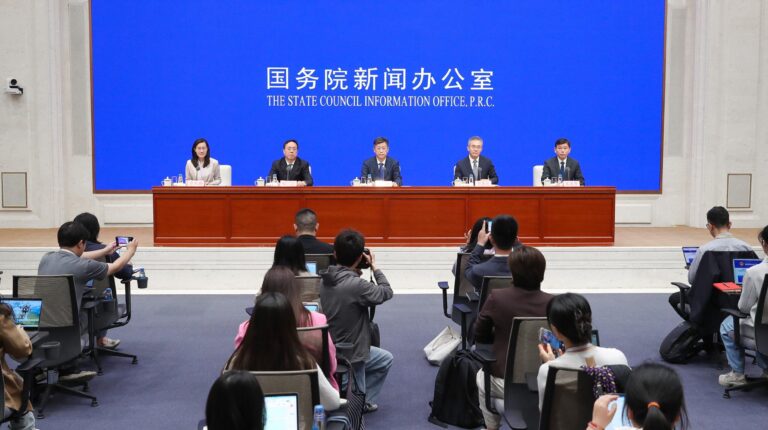
Speaking at a recent press conference, Chen said more frequent extreme weather events are increasing risks to food and energy security, as well as global supply chains. He described early warning systems as an “efficient tool to safeguard economic development and public well-being.”
The MAZU solution integrates satellite data, radar systems, numerical forecasting and artificial intelligence. It is named after a traditional Chinese sea goddess associated with protecting fishermen, combining cultural symbolism with modern meteorological technology.
Since 2024, nearly 1,000 participants from more than 100 developing countries and regions have received training in China on early warning technologies, Chen said. More than 40 national meteorological agencies are using MAZU’s cloud-based services, while customized versions have been deployed in countries including Pakistan, Ethiopia, Solomon Islands, Jordan and Sri Lanka.
According to Chen, the system is designed to provide tailored solutions based on national needs, combining cloud platforms with localized applications developed jointly by Chinese and international experts. He said the initiative has evolved from a domestic program into a global public good focused on disaster prevention, climate adaptation and sustainable development in the Global South.
During China’s 15th Five-Year Plan period (2026-2030), further upgrades to MAZU are planned, including improved precision and usability through deeper integration of artificial intelligence and forecasting models.
The program also emphasizes knowledge sharing, with foreign experts invited to China and Chinese specialists deployed abroad to support local capacity building.
Chen added that future efforts will expand training programs and strengthen collaboration through platforms such as the World Meteorological Center in Beijing.
In related news, China completes Antarctic meteorological research mission with Xuelong icebreaker