


Close Menu
Meteorological Technology International
  • News
    • A-E
      • Agriculture
      • Automated Weather Stations
      • Aviation
      • Climate Measurement
      • Data
      • Developing Countries
      • Digital Applications
      • Early Warning Systems
      • Extreme Weather
    • G-P
      • Hydrology
      • Lidar
      • Lightning Detection
      • New Appointments
      • Nowcasting
      • Numerical Weather Prediction
      • Polar Weather
    • R-S
      • Radar
      • Rainfall
      • Remote Sensing
      • Renewable Energy
      • Satellites
      • Solar
      • Space Weather
      • Supercomputers
    • T-Z
      • Training
      • Transport
      • Weather Instruments
      • Wind
      • World Meteorological Organization
      • Meteorological Technology World Expo
  • Features
  • Online Magazines
    • January 2026
    • April 2025
    • January 2025
    • September 2024
    • April 2024
    • Archive Issues
    • Subscribe Free!
  • Opinion
  • Videos
  • Supplier Spotlight
  • Expo
LinkedIn X (Twitter) Facebook
  • Sign-up for Free Weekly E-Newsletter
  • Meet the Editors
  • Contact Us
  • Media Pack
LinkedIn Facebook
Subscribe
Meteorological Technology International
  • News
      • Agriculture
      • Automated Weather Stations
      • Aviation
      • Climate Measurement
      • Data
      • Developing Countries
      • Digital Applications
      • Early Warning Systems
      • Extreme Weather
      • Hydrology
      • Lidar
      • Lightning Detection
      • New Appointments
      • Nowcasting
      • Numerical Weather Prediction
      • Polar Weather
      • Radar
      • Rainfall
      • Remote Sensing
      • Renewable Energy
      • Satellites
      • Solar
      • Space Weather
      • Supercomputers
      • Training
      • Transport
      • Weather Instruments
      • Wind
      • World Meteorological Organization
      • Meteorological Technology World Expo
  • Features
  • Online Magazines
    1. January 2026
    2. September 2025
    3. April 2025
    4. January 2025
    5. September 2024
    6. April 2024
    7. January 2024
    8. September 2023
    9. April 2023
    10. Archive Issues
    11. Subscribe Free!
    Featured
    November 27, 2025

    In this Issue – January 2026

    By Hazel KingNovember 27, 2025
    Recent

    In this Issue – January 2026

    November 27, 2025

    In this Issue – September 2025

    August 11, 2025

    In this Issue – April 2025

    April 15, 2025
  • Opinion
  • Videos
  • Supplier Spotlight
  • Expo
Facebook LinkedIn
Subscribe
Meteorological Technology International
Early Warning Systems

Equatorial waves could hold key to early cyclone detection

Dan SymondsBy Dan SymondsFebruary 14, 20232 Mins Read
Share LinkedIn Facebook Twitter Email
Share
LinkedIn Facebook Twitter Email

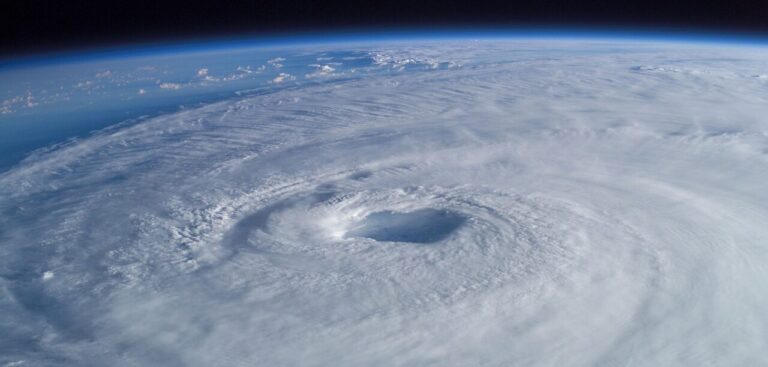
A study led by the University of Reading has found that atmospheric waves trapped close to the equator could be used to predict the formation of the strongest tropical storms two weeks ahead of time.

Predicting tropical cyclone generation and development beyond five days has been a difficult task for meteorologists but the discovery could lead to forecasts of tropical cyclones up to 15 days in advance thanks to a new understanding of the role equatorial waves play.

The researchers found that the waves, which are pre-existing periodic ripples in the lowest level of the Earth’s atmosphere, could be used to signal over 80% of the strongest tropical storms on the globe. The analysis suggests these waves could well indicate when and where the next tropical storms will form and even grow.

Dr Xiangbo Feng, lead author of the study and senior research scientist at the University of Reading’s Department of Meteorology and the National Centre for Atmospheric Science (NCAS), said, “Contrasting with previous studies which focused on a few storm cases by analyzing more than 3,400 observed tropical cyclones globally, our study draws the first complete image of the relationship between pre-existing equatorial waves and destructive tropical storms. With these new findings, we can extend the risk prediction for the strongest tropical storms up to two weeks ahead.

“This is very important for families and communities living in coastal regions all over the world in helping them to prepare for some of the most dangerous weather on our planet in a longer but still actionable time window.

“Now, based on this study, we are developing new operational forecast products for countries severely battered by hurricanes or typhoons, such as the Philippines and Vietnam, by working closely with the local weather forecast services.

“With this, we hope the warning time of the deadliest storms affecting these vulnerable countries, such as Typhoon Haiyan in 2013, will be significantly extended, and the storm damage reduced,” he said.

The study also helps meteorology experts understand why present numerical weather prediction systems cannot accurately predict the early risk of high-impact weather, and thus helps improve the models.

To read the full study published in the journal Nature Communications, click here.

Previous ArticleBaron makes new hire to lead weather radar division
Next Article How 5G is ushering in a new era of disaster response

Read Similar Stories

Agriculture

Extreme heat posing significant risks to ecosystems and agriculture, FAO-WMO report warns

April 22, 20263 Mins Read
Extreme Weather

AI model improves real-time prediction of wildfire spread

April 16, 20263 Mins Read
Climate Measurement

Study identifies atmospheric trigger behind flash droughts in Puerto Rico

April 15, 20263 Mins Read
Latest News

Extreme heat posing significant risks to ecosystems and agriculture, FAO-WMO report warns

April 22, 2026

Atmospheric G2 secures Japan weather forecasting license

April 21, 2026

China completes Antarctic meteorological research mission with Xuelong icebreaker

April 21, 2026

Receive breaking stories and features in your inbox each week, for free


Enter your email address:


Supplier Spotlights
  • Senseca
Getting in Touch
  • Contact Us / Advertise
  • Meet the Editors
  • Media Pack
  • Free Weekly E-Newsletter
Our Social Channels
  • Facebook
  • LinkedIn
© 2026 UKi Media & Events a division of UKIP Media & Events Ltd
  • Cookie Policy
  • Privacy Policy
  • Terms and Conditions
  • Notice and Takedown Policy

Type above and press Enter to search. Press Esc to cancel.