

Close Menu
Meteorological Technology International
  • News
    • A-E
      • Agriculture
      • Automated Weather Stations
      • Aviation
      • Climate Measurement
      • Data
      • Developing Countries
      • Digital Applications
      • Early Warning Systems
      • Extreme Weather
    • G-P
      • Hydrology
      • Lidar
      • Lightning Detection
      • New Appointments
      • Nowcasting
      • Numerical Weather Prediction
      • Polar Weather
    • R-S
      • Radar
      • Rainfall
      • Remote Sensing
      • Renewable Energy
      • Satellites
      • Solar
      • Space Weather
      • Supercomputers
    • T-Z
      • Training
      • Transport
      • Weather Instruments
      • Wind
      • World Meteorological Organization
      • Meteorological Technology World Expo
  • Features
  • Online Magazines
    • January 2026
    • April 2025
    • January 2025
    • September 2024
    • April 2024
    • Archive Issues
    • Subscribe Free!
  • Opinion
  • Videos
  • Supplier Spotlight
  • Expo
LinkedIn X (Twitter) Facebook
  • Sign-up for Free Weekly E-Newsletter
  • Meet the Editors
  • Contact Us
  • Media Pack
LinkedIn Facebook
Subscribe
Meteorological Technology International
  • News
      • Agriculture
      • Automated Weather Stations
      • Aviation
      • Climate Measurement
      • Data
      • Developing Countries
      • Digital Applications
      • Early Warning Systems
      • Extreme Weather
      • Hydrology
      • Lidar
      • Lightning Detection
      • New Appointments
      • Nowcasting
      • Numerical Weather Prediction
      • Polar Weather
      • Radar
      • Rainfall
      • Remote Sensing
      • Renewable Energy
      • Satellites
      • Solar
      • Space Weather
      • Supercomputers
      • Training
      • Transport
      • Weather Instruments
      • Wind
      • World Meteorological Organization
      • Meteorological Technology World Expo
  • Features
  • Online Magazines
    1. April 2026
    2. January 2026
    3. September 2025
    4. April 2025
    5. January 2025
    6. September 2024
    7. April 2024
    8. January 2024
    9. Archive Issues
    10. Subscribe Free!
    Featured
    May 5, 2026

    In this Issue – April 2026

    By Web TeamMay 5, 2026
    Recent

    In this Issue – April 2026

    May 5, 2026

    In this Issue – January 2026

    November 27, 2025

    In this Issue – September 2025

    August 11, 2025
  • Opinion
  • Videos
  • Supplier Spotlight
  • Expo
Facebook LinkedIn
Subscribe
Meteorological Technology International
Extreme Weather

Experts warn against optimism after US wildfires plummeted in 2019

Paul WillisBy Paul WillisMarch 25, 20202 Mins Read
Share LinkedIn Facebook Twitter Email
Share
LinkedIn Facebook Twitter Email

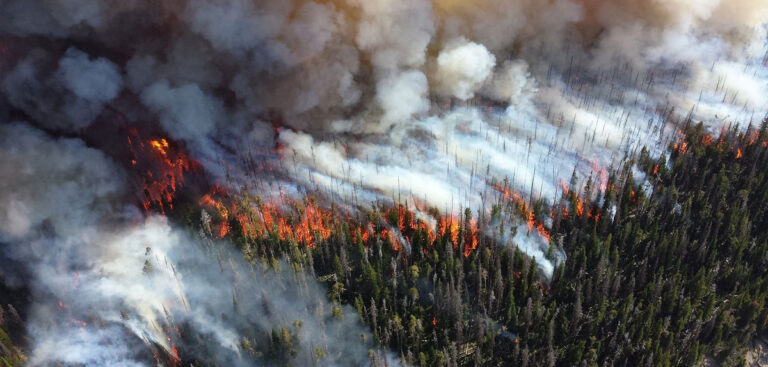
As bushfires ravaged Australia this winter on an unprecedented scale, the US saw its lowest level of wildfire destruction in 15 years. But experts warned against too much optimism, saying the trend is unlikely to last.

According to figures from the US National Interagency Fire Centre (NIFC), the number of acres burned in 2019 in the mainland United States was 2.2 million acres, a major decline from the previous two years when on average 8.9 million acres were destroyed annually, killing 147 people in California alone.

California, which has been an epicenter for wildfires in the mainland USA also saw steep drops. This decline might have been helped in part by the state’s drastic steps to avert the threat of wildfire by cutting power to millions of homes in October and November.

The exception to the declines was Alaska, where wildfires destroyed nearly 2.5 million acres in 2019 as the state endured record heat.

Numerous studies have shown that climate change is exacerbating the problem of wildfires, making the wildfire season longer and leading to more intense fires as higher temperatures make vegetation drier for longer.

Experts said the 2019 figures are unlikely to change the long-term trend toward more forest fires and were more likely an anomaly resulting from unusually high rainfall.

“We don’t think we will continue to see years like 2019,” the NIFC’s Jessica Gardetto told Climatewire. “We’re already assessing 2020. So far, weather patterns are lining up to culminate in above-average fire activity this year.”

Annual wildfire levels in the USA have more than doubled since the 1990s. However, Gardetto said some of this may be due to improved technology that allows for more accurate reporting of wildfire size.

Previous ArticleClimate change and water are the focus
Next Article Study of fault lines uncovers theory about why Japanese tsunami so devastating

Read Similar Stories

Nowcasting

Colorado State University and Nvidia partner to extend severe storm prediction lead times

June 2, 20262 Mins Read
Climate Measurement

WMO warns El Niño is developing with 80% certainty, urges preparation

June 2, 20263 Mins Read
Developing Countries

Tropical cyclones threaten energy security in Bangladesh, study finds

May 29, 20262 Mins Read
Latest News

VIDEO: Sentinel-6 satellite detects El Niño precursor in Pacific

June 4, 2026

New forecasting framework targets solar-limb flare blind spot

June 4, 2026

Colorado State University and Nvidia partner to extend severe storm prediction lead times

June 2, 2026

Receive breaking stories and features in your inbox each week, for free


Enter your email address:


Supplier Spotlights
  • EWR Radar Systems
Getting in Touch
  • Contact Us / Advertise
  • Meet the Editors
  • Media Pack
  • Free Weekly E-Newsletter
Our Social Channels
  • Facebook
  • LinkedIn
© 2026 UKi Media & Events a division of UKIP Media & Events Ltd
  • Cookie Policy
  • Privacy Policy
  • Terms and Conditions
  • Notice and Takedown Policy

Type above and press Enter to search. Press Esc to cancel.