


Close Menu
Meteorological Technology International
  • News
    • A-E
      • Agriculture
      • Automated Weather Stations
      • Aviation
      • Climate Measurement
      • Data
      • Developing Countries
      • Digital Applications
      • Early Warning Systems
      • Extreme Weather
    • G-P
      • Hydrology
      • Lidar
      • Lightning Detection
      • New Appointments
      • Nowcasting
      • Numerical Weather Prediction
      • Polar Weather
    • R-S
      • Radar
      • Rainfall
      • Remote Sensing
      • Renewable Energy
      • Satellites
      • Solar
      • Space Weather
      • Supercomputers
    • T-Z
      • Training
      • Transport
      • Weather Instruments
      • Wind
      • World Meteorological Organization
      • Meteorological Technology World Expo
  • Features
  • Online Magazines
    • January 2026
    • April 2025
    • January 2025
    • September 2024
    • April 2024
    • Archive Issues
    • Subscribe Free!
  • Opinion
  • Videos
  • Supplier Spotlight
  • Expo
LinkedIn X (Twitter) Facebook
  • Sign-up for Free Weekly E-Newsletter
  • Meet the Editors
  • Contact Us
  • Media Pack
LinkedIn Facebook
Subscribe
Meteorological Technology International
  • News
      • Agriculture
      • Automated Weather Stations
      • Aviation
      • Climate Measurement
      • Data
      • Developing Countries
      • Digital Applications
      • Early Warning Systems
      • Extreme Weather
      • Hydrology
      • Lidar
      • Lightning Detection
      • New Appointments
      • Nowcasting
      • Numerical Weather Prediction
      • Polar Weather
      • Radar
      • Rainfall
      • Remote Sensing
      • Renewable Energy
      • Satellites
      • Solar
      • Space Weather
      • Supercomputers
      • Training
      • Transport
      • Weather Instruments
      • Wind
      • World Meteorological Organization
      • Meteorological Technology World Expo
  • Features
  • Online Magazines
    1. January 2026
    2. September 2025
    3. April 2025
    4. January 2025
    5. September 2024
    6. April 2024
    7. January 2024
    8. September 2023
    9. April 2023
    10. Archive Issues
    11. Subscribe Free!
    Featured
    November 27, 2025

    In this Issue – January 2026

    By Hazel KingNovember 27, 2025
    Recent

    In this Issue – January 2026

    November 27, 2025

    In this Issue – September 2025

    August 11, 2025

    In this Issue – April 2025

    April 15, 2025
  • Opinion
  • Videos
  • Supplier Spotlight
  • Expo
Facebook LinkedIn
Subscribe
Meteorological Technology International
Extreme Weather

Rising sea levels to increase flood risk to US Atlantic and Gulf Coast hospitals by more than 20%

Dan SymondsBy Dan SymondsSeptember 30, 20224 Mins Read
Share LinkedIn Facebook Twitter Email
Share
LinkedIn Facebook Twitter Email

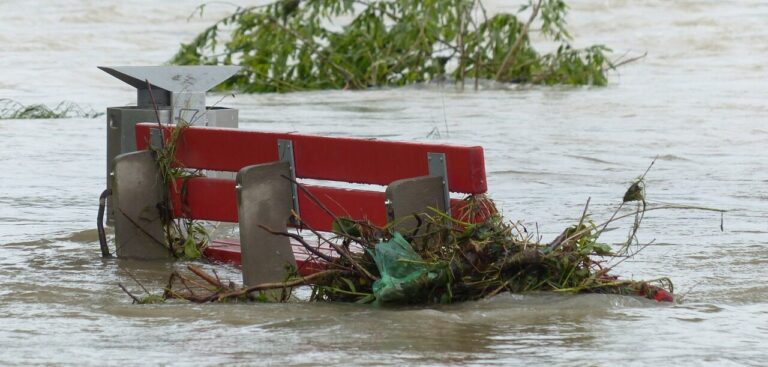
A first-of-its-kind study analyzing flood risk to hospitals on America’s Atlantic and Gulf Coasts following category 1-4 storms has found that even a relatively weak storm poses a serious flood risk to hospitals, while the expected rise in sea levels this century due to climate change will increase the odds of hospital flooding by 22%.

Dr Aaron Bernstein, senior author and director of the Center for Climate, Health, and the Global Environment (C-CHANGE) at Harvard University, said, “We now have a better sense of which hospitals are likely to flood from a hurricane today and those that need to prepare for greater risks in the future. Hurricanes are expected to get more severe and may strike regions further north than in the past due to climate change. In places like my hometown of Boston, we can avoid crises that other hospitals have had to endure by learning from their experience and creating plans that build on best practices. But we must act now, before disaster strikes.”

Researchers identified 682 acute care hospitals in 78 metropolitan areas located within 10 miles of the Atlantic and Gulf Coasts of the USA, covering a population just under 85 million people. They found 25 of the 78 metro areas studied have half or more of their hospitals at risk of flooding from a category 2 storm.

According to the study, category 2 hurricanes significantly threaten access to hospital care in the Miami, New York City, Boston, Orlando and New Orleans metro areas, as well as several locations throughout Florida.

With sea level rise expected this century, the Baton Rouge, Virginia Beach, Corpus Christi, Philadelphia and Boston metro areas will see a more than a 90% increase in the number of beds at risk of flooding from a category 2 storm.

Even if hospital buildings do not become flooded, the roads around them might, restricting or preventing access. In 18 metro areas, at least half of the roads within one mile of hospitals were at risk of flooding from a category 2 storm. Flooded roads have often been a major challenge to patient transfer during hurricanes as well as patient and staff access to hospitals after storms have passed.

Alexandra Taraborchia-Gast, lead author of the study and a family medicine physician, added, “Our study shows that a large fraction of hospitals on the Atlantic and Gulf Coasts are at risk of flooding from relatively weak hurricanes and highlights the pressing need for infrastructure improvements to mitigate this risk. Some hospitals and cities have already taken steps in this direction.”

A model for hospital readiness
According to the study, the Southeast Louisiana Veterans Health Care Center, built in 2016, provides a model for how coastal hospitals and health systems can improve their resilience to hurricanes. It was designed to remain operational for seven days even if city utilities and infrastructure are compromised and features back-up fuel supplies, on-site sewage treatment facilities and sufficient accommodations for up to 1,000 staff and patients to shelter in place. Critical mechanical and electrical equipment as well as patient care areas are located at least 20ft (6m) above the 100-year floodplain.

“However, not all hospitals have the resources to make these improvements and, perhaps more importantly, many do not have prior experience with flooding or awareness of their own flood risk,” said Gast. “Climate change and sea level rise stand to increase flooding risk where hospitals may have less experience with hurricanes.

“Healthcare resiliency to hurricanes extends beyond making changes to individual buildings and involves city-wide and regional coordination of care during storms and infrastructure investments.”

To view the complete study published in the AGU journal GeoHealth, click here.

Previous ArticleLesley Gray takes up role as president of Royal Meteorological Society
Next Article Rainfall to overtake snowfall in the Arctic by 2100, warns study

Read Similar Stories

Climate Measurement

European climate report highlights record heat, glacier loss and rising extremes

April 27, 20263 Mins Read
Agriculture

Extreme heat posing significant risks to ecosystems and agriculture, FAO-WMO report warns

April 22, 20263 Mins Read
Extreme Weather

AI model improves real-time prediction of wildfire spread

April 16, 20263 Mins Read
Latest News

ForecastWatch expands with launch of new independent platform for weather forecast verification

April 28, 2026

European climate report highlights record heat, glacier loss and rising extremes

April 27, 2026

WMO signals increasing likelihood of El Niño developing in 2026

April 24, 2026

Receive breaking stories and features in your inbox each week, for free


Enter your email address:


Supplier Spotlights
  • ROTRONIC AG
Getting in Touch
  • Contact Us / Advertise
  • Meet the Editors
  • Media Pack
  • Free Weekly E-Newsletter
Our Social Channels
  • Facebook
  • LinkedIn
© 2026 UKi Media & Events a division of UKIP Media & Events Ltd
  • Cookie Policy
  • Privacy Policy
  • Terms and Conditions
  • Notice and Takedown Policy

Type above and press Enter to search. Press Esc to cancel.