


Close Menu
Meteorological Technology International
  • News
    • A-E
      • Agriculture
      • Automated Weather Stations
      • Aviation
      • Climate Measurement
      • Data
      • Developing Countries
      • Digital Applications
      • Early Warning Systems
      • Extreme Weather
    • G-P
      • Hydrology
      • Lidar
      • Lightning Detection
      • New Appointments
      • Nowcasting
      • Numerical Weather Prediction
      • Polar Weather
    • R-S
      • Radar
      • Rainfall
      • Remote Sensing
      • Renewable Energy
      • Satellites
      • Solar
      • Space Weather
      • Supercomputers
    • T-Z
      • Training
      • Transport
      • Weather Instruments
      • Wind
      • World Meteorological Organization
      • Meteorological Technology World Expo
  • Features
  • Online Magazines
    • January 2026
    • April 2025
    • January 2025
    • September 2024
    • April 2024
    • Archive Issues
    • Subscribe Free!
  • Opinion
  • Videos
  • Supplier Spotlight
  • Expo
LinkedIn X (Twitter) Facebook
  • Sign-up for Free Weekly E-Newsletter
  • Meet the Editors
  • Contact Us
  • Media Pack
LinkedIn Facebook
Subscribe
Meteorological Technology International
  • News
      • Agriculture
      • Automated Weather Stations
      • Aviation
      • Climate Measurement
      • Data
      • Developing Countries
      • Digital Applications
      • Early Warning Systems
      • Extreme Weather
      • Hydrology
      • Lidar
      • Lightning Detection
      • New Appointments
      • Nowcasting
      • Numerical Weather Prediction
      • Polar Weather
      • Radar
      • Rainfall
      • Remote Sensing
      • Renewable Energy
      • Satellites
      • Solar
      • Space Weather
      • Supercomputers
      • Training
      • Transport
      • Weather Instruments
      • Wind
      • World Meteorological Organization
      • Meteorological Technology World Expo
  • Features
  • Online Magazines
    1. January 2026
    2. September 2025
    3. April 2025
    4. January 2025
    5. September 2024
    6. April 2024
    7. January 2024
    8. September 2023
    9. April 2023
    10. Archive Issues
    11. Subscribe Free!
    Featured
    November 27, 2025

    In this Issue – January 2026

    By Hazel KingNovember 27, 2025
    Recent

    In this Issue – January 2026

    November 27, 2025

    In this Issue – September 2025

    August 11, 2025

    In this Issue – April 2025

    April 15, 2025
  • Opinion
  • Videos
  • Supplier Spotlight
  • Expo
Facebook LinkedIn
Subscribe
Meteorological Technology International
Oceans

NOC installs modern sea-level gauge on Ascension Island

Dan SymondsBy Dan SymondsJune 14, 20232 Mins Read
Share LinkedIn Facebook Twitter Email
Share
LinkedIn Facebook Twitter Email

The UK’s National Oceanography Centre (NOC) has installed a new tide gauge on the remote Ascension Island in the South Atlantic Ocean.

Ascension Island is uniquely located in the middle of the Atlantic Ocean, 1,000 miles from the coast of Africa and 1,400 miles from the coast of South America. The data from the upgraded tide gauge, installed as part of the Climate Linked Atlantic Sector Science project (CLASS) program, will provide scientists with open-access high frequency observations on the region which has historically been under sampled. The South Atlantic Ocean has no dedicated warning system for coastal hazards such as tsunamis, meaning the data will also be vital for operational monitoring.
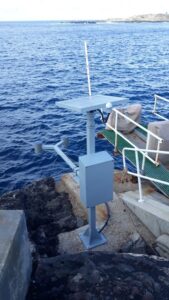
With Ascension Island known to be a notoriously harsh monitoring environment, NOC scientists overcame many installation challenges including a closed airport runway and extended Covid-19 restrictions. Although the Ascension government had lifted Covid restrictions in early 2023, airport restrictions remained in place, meaning only flights from the neighboring island of St Helena were permitted. Using local contacts built over many years, NOC scientists were able to remotely design and co-ordinate the installation.

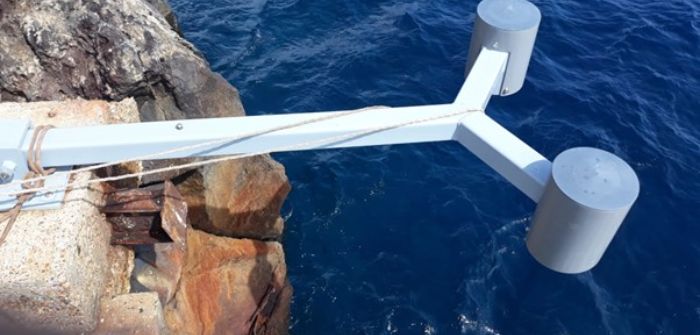
Powered solely by renewable energy and using the latest non-contact radar sensors, the gauge can operate for long periods of time with little or no maintenance required. The tide gauge uses cutting-edge communications technology to provide a near real-time data feed that now meets the tsunami monitoring standard, set down by the ‘Global Sea Level Observing System’ (GLOSS).

The gauge forms part of the South Atlantic Tide Gauge Network, which was originally set up in 1985 as part of the Antarctic Circumpolar Current Levels from Altimetry and Island Measurements (ACCLAIM) program.

The tide gauge is now fully operational, transmitting one-minute averaged sea-level data back every six minutes to the Intergovernmental Oceanographic Commission’s (IOC) Sea Level Station Monitoring Facility.

Previous ArticleAGU publishes special collection of wildfire studies
Next Article Tomorrow.io launches second satellite and closes Series E funding

Read Similar Stories

Data

Atmospheric G2 secures Japan weather forecasting license

April 21, 20262 Mins Read
Climate Measurement

China completes Antarctic meteorological research mission with Xuelong icebreaker

April 21, 20262 Mins Read
Radar

EWR Radar Systems wins US Air Force contract for portable Doppler radar support

April 20, 20262 Mins Read
Latest News

Extreme heat posing significant risks to ecosystems and agriculture, FAO-WMO report warns

April 22, 2026

Atmospheric G2 secures Japan weather forecasting license

April 21, 2026

China completes Antarctic meteorological research mission with Xuelong icebreaker

April 21, 2026

Receive breaking stories and features in your inbox each week, for free


Enter your email address:


Supplier Spotlights
  • Geolux d.o.o.
Getting in Touch
  • Contact Us / Advertise
  • Meet the Editors
  • Media Pack
  • Free Weekly E-Newsletter
Our Social Channels
  • Facebook
  • LinkedIn
© 2026 UKi Media & Events a division of UKIP Media & Events Ltd
  • Cookie Policy
  • Privacy Policy
  • Terms and Conditions
  • Notice and Takedown Policy

Type above and press Enter to search. Press Esc to cancel.