

Close Menu
Meteorological Technology International
  • News
    • A-E
      • Agriculture
      • Automated Weather Stations
      • Aviation
      • Climate Measurement
      • Data
      • Developing Countries
      • Digital Applications
      • Early Warning Systems
      • Extreme Weather
    • G-P
      • Hydrology
      • Lidar
      • Lightning Detection
      • New Appointments
      • Nowcasting
      • Numerical Weather Prediction
      • Polar Weather
    • R-S
      • Radar
      • Rainfall
      • Remote Sensing
      • Renewable Energy
      • Satellites
      • Solar
      • Space Weather
      • Supercomputers
    • T-Z
      • Training
      • Transport
      • Weather Instruments
      • Wind
      • World Meteorological Organization
      • Meteorological Technology World Expo
  • Features
  • Online Magazines
    • January 2026
    • April 2025
    • January 2025
    • September 2024
    • April 2024
    • Archive Issues
    • Subscribe Free!
  • Opinion
  • Videos
  • Supplier Spotlight
  • Expo
LinkedIn X (Twitter) Facebook
  • Sign-up for Free Weekly E-Newsletter
  • Meet the Editors
  • Contact Us
  • Media Pack
LinkedIn Facebook
Subscribe
Meteorological Technology International
  • News
      • Agriculture
      • Automated Weather Stations
      • Aviation
      • Climate Measurement
      • Data
      • Developing Countries
      • Digital Applications
      • Early Warning Systems
      • Extreme Weather
      • Hydrology
      • Lidar
      • Lightning Detection
      • New Appointments
      • Nowcasting
      • Numerical Weather Prediction
      • Polar Weather
      • Radar
      • Rainfall
      • Remote Sensing
      • Renewable Energy
      • Satellites
      • Solar
      • Space Weather
      • Supercomputers
      • Training
      • Transport
      • Weather Instruments
      • Wind
      • World Meteorological Organization
      • Meteorological Technology World Expo
  • Features
  • Online Magazines
    1. April 2026
    2. January 2026
    3. September 2025
    4. April 2025
    5. January 2025
    6. September 2024
    7. April 2024
    8. January 2024
    9. Archive Issues
    10. Subscribe Free!
    Featured
    May 5, 2026

    In this Issue – April 2026

    By Web TeamMay 5, 2026
    Recent

    In this Issue – April 2026

    May 5, 2026

    In this Issue – January 2026

    November 27, 2025

    In this Issue – September 2025

    August 11, 2025
  • Opinion
  • Videos
  • Supplier Spotlight
  • Expo
Facebook LinkedIn
Subscribe
Meteorological Technology International
Climate Measurement

Abnormal warm spell in the Antarctic leads to smallest ozone hole ever recorded 

Paul WillisBy Paul WillisOctober 31, 20192 Mins Read
Share LinkedIn Facebook Twitter Email
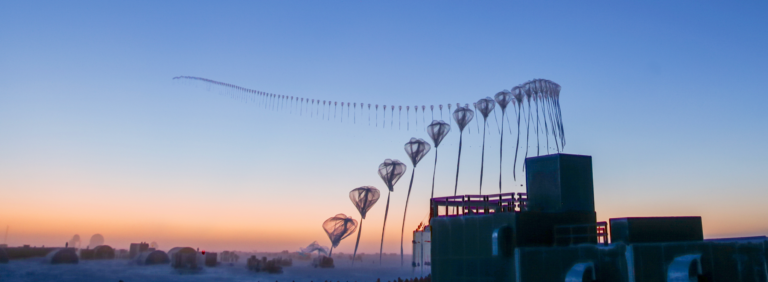
South Pole scientists watch a NOAA staffer launch a weather balloon carrying an ozone-measuring sonde on September 9, 2019, from NOAA's South Pole Atmospheric Baseline Observatory. Credit: Robert Schwarz, University of Minnesota
Share
LinkedIn Facebook Twitter Email

The 2019 Antarctic ozone hole is the smallest ever recorded, according to scientists from NOAA and NASA. The scientists cite the cause as abnormally warm temperatures in the stratosphere over Antarctica.

Under normal weather conditions the ozone hole typically grows to a maximum of about 8 million square miles (21,000,000km²), according to NOAA. But this year the annual ozone hole reached its peak of 6.3 million square miles in early September. Since then it has shrunk to less than 3.9 million square miles. The scientists say this is the smallest maximum extent ever recorded for the ozone hole since its discovery in 1985.

Although unusual, this is not the first time this has happened. Similar weather patterns produced atypically small ozone holes in the Antarctic in September 1988 and 2002.

The hole in the ozone layer above the Antarctic forms each year between August and December. It is caused by the release of chlorofluorocarbons (CFCs) into the atmosphere. When scientists first discovered it they found that the hole was growing at an alarming pace because of the wide use of CFCs as accelerants in spray cans. Since then their use has been banned and the hole has gradually been getting smaller.

However, CFCs are also present in frigid polar stratospheric clouds. When these clouds are exposed to sunlight at the end of the polar winter a chemical reaction causes depletion to the ozone layer. This year, however, unusually warm weather in the region limited the formation of these frigid polar stratospheric clouds.

Consequently the record small size of this year’s ozone hole is “not a sign that atmospheric ozone is suddenly on a fast track to recovery,” said Paul Newman, chief scientist for Earth Sciences at NASA’s Goddard Space Flight Centre. “It’s important to recognize that what we’re seeing this year is due to warmer stratospheric temperatures.”

Scientists also stressed they had found no evidence to link the abnormally warm temperatures in the region to climate change.

Previous ArticlePapua New Guinea’s National Weather Service launches first ever strategic plan 
Next Article New European space mission will further understanding of climate change 

Read Similar Stories

Climate Measurement

Tekever secures Canadian wildfire detection contract with Phoenix Heli-Flight

June 17, 20262 Mins Read
Climate Measurement

Global warming reached 1.37°C in 2025 as heat accumulation hits record rate

June 12, 20263 Mins Read
Climate Measurement

Cambridge AI tool converts satellite archives into accessible Earth intelligence

June 10, 20262 Mins Read
Latest News

Extreme weather affected 13 million people in Africa in 2025, says WMO

June 18, 2026

Vaisala to acquire AI weather forecasting company Atmo

June 17, 2026

Tekever secures Canadian wildfire detection contract with Phoenix Heli-Flight

June 17, 2026

Receive breaking stories and features in your inbox each week, for free


Enter your email address:


Supplier Spotlights
  • Meteomatics AG
Getting in Touch
  • Contact Us / Advertise
  • Meet the Editors
  • Media Pack
  • Free Weekly E-Newsletter
Our Social Channels
  • Facebook
  • LinkedIn
© 2026 UKi Media & Events a division of UKIP Media & Events Ltd
  • Cookie Policy
  • Privacy Policy
  • Terms and Conditions
  • Notice and Takedown Policy

Type above and press Enter to search. Press Esc to cancel.