


Close Menu
Meteorological Technology International
  • News
    • A-E
      • Agriculture
      • Automated Weather Stations
      • Aviation
      • Climate Measurement
      • Data
      • Developing Countries
      • Digital Applications
      • Early Warning Systems
      • Extreme Weather
    • G-P
      • Hydrology
      • Lidar
      • Lightning Detection
      • New Appointments
      • Nowcasting
      • Numerical Weather Prediction
      • Polar Weather
    • R-S
      • Radar
      • Rainfall
      • Remote Sensing
      • Renewable Energy
      • Satellites
      • Solar
      • Space Weather
      • Supercomputers
    • T-Z
      • Training
      • Transport
      • Weather Instruments
      • Wind
      • World Meteorological Organization
      • Meteorological Technology World Expo
  • Features
  • Online Magazines
    • January 2026
    • April 2025
    • January 2025
    • September 2024
    • April 2024
    • Archive Issues
    • Subscribe Free!
  • Opinion
  • Videos
  • Supplier Spotlight
  • Expo
LinkedIn X (Twitter) Facebook
  • Sign-up for Free Weekly E-Newsletter
  • Meet the Editors
  • Contact Us
  • Media Pack
LinkedIn Facebook
Subscribe
Meteorological Technology International
  • News
      • Agriculture
      • Automated Weather Stations
      • Aviation
      • Climate Measurement
      • Data
      • Developing Countries
      • Digital Applications
      • Early Warning Systems
      • Extreme Weather
      • Hydrology
      • Lidar
      • Lightning Detection
      • New Appointments
      • Nowcasting
      • Numerical Weather Prediction
      • Polar Weather
      • Radar
      • Rainfall
      • Remote Sensing
      • Renewable Energy
      • Satellites
      • Solar
      • Space Weather
      • Supercomputers
      • Training
      • Transport
      • Weather Instruments
      • Wind
      • World Meteorological Organization
      • Meteorological Technology World Expo
  • Features
  • Online Magazines
    1. January 2026
    2. September 2025
    3. April 2025
    4. January 2025
    5. September 2024
    6. April 2024
    7. January 2024
    8. September 2023
    9. April 2023
    10. Archive Issues
    11. Subscribe Free!
    Featured
    November 27, 2025

    In this Issue – January 2026

    By Hazel KingNovember 27, 2025
    Recent

    In this Issue – January 2026

    November 27, 2025

    In this Issue – September 2025

    August 11, 2025

    In this Issue – April 2025

    April 15, 2025
  • Opinion
  • Videos
  • Supplier Spotlight
  • Expo
Facebook LinkedIn
Subscribe
Meteorological Technology International
Polar Weather

Increased fog could pose future challenges for trans-Arctic shipping

Dan SymondsBy Dan SymondsApril 28, 20233 Mins Read
Share LinkedIn Facebook Twitter Email
Photo credit: Pixabay
Share
LinkedIn Facebook Twitter Email

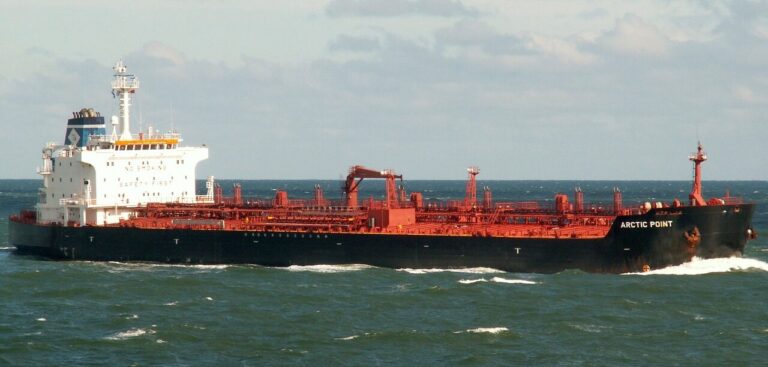
A new study has found that the Arctic Ocean is getting foggier as ice disappears, reducing visibility and causing costly delays to trans-Arctic shipping as vessels slow to avoid sea ice.

As the Arctic warms and loses sea ice with the warming climate, trans-Arctic shipping has increased, reducing travel time and costs for international trade. Shipping channels have opened in the Northwest Passage and the Northern Sea Route, allowing even non-icebreaker vessels to skip the time-consuming Panama and Suez Canals farther south. But as the ice recedes, cold air is exposed to more warm water, and warm vapor condenses into fog in those new passages. Hidden chunks of ice already pose risks to vessels making their way through foggy, low-visibility routes.

Xianyao Chen, a physical oceanographer at the Ocean University of China and author of the study, said, “The future of shipping in the Arctic is unclear, but fog could pose a significant challenge. When designing shipping routes across the Arctic, we need to consider the impact of fog.”

To examine how climate change has affected fog conditions along Arctic shipping routes, and see how conditions will change during the 21st century, researchers used data on Arctic fog collected from 1979 to 2018 and climate projections from the fifth phase of the Coupled Model Intercomparison Project (CIMP5). The researchers also modeled alternative routes that could minimize foggy days during transit.

It was discovered that ships crossing the Northwest Passage are more likely to encounter fog than ships in the Northern Sea Route. Fog in the Northwest Passage, which avoids the Panama Canal, is more frequent and persistent and so likely to increase sailing time by up to three days. Sailing time for the less-foggy Northern Sea Route, avoiding the Suez Canal, is projected to be no more than one day longer. According to the study, both proposed passages would encounter less fog if the routes shifted farther away from the sea ice edge.

Fog is already cutting into time gained by taking the much shorter Arctic routes, with slower shipping speeds on foggy days than clear days. According to Chen, as the Arctic becomes foggier, shipping could continue to slow unless routes are adjusted. With daily operating costs for large container ships typically reaching US$50,000 to US$150,000, a multi-day delay due to fog quickly increases the cost of a trans-Arctic crossing.

To view the complete study published in the journal Geophysical Research Letters, click here.

Previous ArticleFAAM Club – a look behind the scenes at the UK’s legendary airborne laboratory
Next Article Avinor installs 200 wide-area multilateration antennas to improve airspace monitoring

Read Similar Stories

Climate Measurement

Windracers ULTRA drones to be deployed in Greenland on glacier surveying mission

March 12, 20263 Mins Read
Climate Measurement

Unmanned Antarctica atmospheric observation experiment advances in China

February 10, 20262 Mins Read
Early Warning Systems

Water cycle instability drove global water-related disasters in 2025

January 20, 20263 Mins Read
Latest News

Extreme heat posing significant risks to ecosystems and agriculture, FAO-WMO report warns

April 22, 2026

Atmospheric G2 secures Japan weather forecasting license

April 21, 2026

China completes Antarctic meteorological research mission with Xuelong icebreaker

April 21, 2026

Receive breaking stories and features in your inbox each week, for free


Enter your email address:


Supplier Spotlights
  • Meteorage
Getting in Touch
  • Contact Us / Advertise
  • Meet the Editors
  • Media Pack
  • Free Weekly E-Newsletter
Our Social Channels
  • Facebook
  • LinkedIn
© 2026 UKi Media & Events a division of UKIP Media & Events Ltd
  • Cookie Policy
  • Privacy Policy
  • Terms and Conditions
  • Notice and Takedown Policy

Type above and press Enter to search. Press Esc to cancel.