Close Menu
Meteorological Technology International
  • News
    • A-E
      • Agriculture
      • Automated Weather Stations
      • Aviation
      • Climate Measurement
      • Data
      • Developing Countries
      • Digital Applications
      • Early Warning Systems
      • Extreme Weather
    • G-P
      • Hydrology
      • Lidar
      • Lightning Detection
      • New Appointments
      • Nowcasting
      • Numerical Weather Prediction
      • Polar Weather
    • R-S
      • Radar
      • Rainfall
      • Remote Sensing
      • Renewable Energy
      • Satellites
      • Solar
      • Space Weather
      • Supercomputers
    • T-Z
      • Training
      • Transport
      • Weather Instruments
      • Wind
      • World Meteorological Organization
      • Meteorological Technology World Expo
  • Features
  • Online Magazines
    • January 2026
    • April 2025
    • January 2025
    • September 2024
    • April 2024
    • Archive Issues
    • Subscribe Free!
  • Opinion
  • Videos
  • Supplier Spotlight
  • Expo
LinkedIn X (Twitter) Facebook
  • Sign-up for Free Weekly E-Newsletter
  • Meet the Editors
  • Contact Us
  • Media Pack
LinkedIn Facebook
Subscribe
Meteorological Technology International
  • News
      • Agriculture
      • Automated Weather Stations
      • Aviation
      • Climate Measurement
      • Data
      • Developing Countries
      • Digital Applications
      • Early Warning Systems
      • Extreme Weather
      • Hydrology
      • Lidar
      • Lightning Detection
      • New Appointments
      • Nowcasting
      • Numerical Weather Prediction
      • Polar Weather
      • Radar
      • Rainfall
      • Remote Sensing
      • Renewable Energy
      • Satellites
      • Solar
      • Space Weather
      • Supercomputers
      • Training
      • Transport
      • Weather Instruments
      • Wind
      • World Meteorological Organization
      • Meteorological Technology World Expo
  • Features
  • Online Magazines
    1. January 2026
    2. September 2025
    3. April 2025
    4. January 2025
    5. September 2024
    6. April 2024
    7. January 2024
    8. September 2023
    9. April 2023
    10. Archive Issues
    11. Subscribe Free!
    Featured
    November 27, 2025

    In this Issue – January 2026

    By Hazel KingNovember 27, 2025
    Recent

    In this Issue – January 2026

    November 27, 2025

    In this Issue – September 2025

    August 11, 2025

    In this Issue – April 2025

    April 15, 2025
  • Opinion
  • Videos
  • Supplier Spotlight
  • Expo
Facebook LinkedIn
Subscribe
Meteorological Technology International
Polar Weather

New Year Antarctic sea ice coverage at lowest since records began

Helen NormanBy Helen NormanJanuary 18, 20192 Mins Read
Share LinkedIn Facebook Twitter Email
Share
LinkedIn Facebook Twitter Email

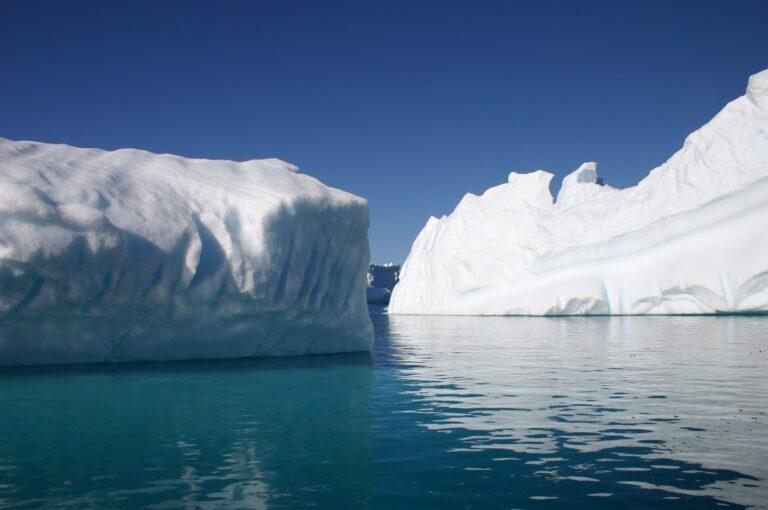
Antarctic sea ice coverage has reached a record low for the start of January, spanning 5,470,000km² – a decline of 30,000km² compared with the same period in 2017. According to Meteo France, it is the lowest coverage of sea ice for the period in 40 years of satellite measurements. During the month of December 2018, the sea ice melted at a record rate of 253,000km² per day, close to levels recorded in 2010 and 2005, and well above the average rate of 214,000km² per day, calculated from 1981-2010. The annual minimum coverage is measured between the end of February and the beginning of March, with a previous record-low of 2,100,000km² recorded on March 3, 2017. More complex behavior than the Arctic
According to Meteo France, positive temperature anomalies observed in the Antarctic probably contributed to the deficit of the pack ice, although there are other factors that are more difficult to take into account. Antarctica has a more complex behavior than the Arctic and four years ago, the extent of the Antarctic ice sheet was regularly in surplus. Only since 2017 has the agency recorded recurrent deficits. The decrease in sea ice has ultimately been attributed to climate change, with increased sensitivity to ice zones. In fact, the melting of sea ice, which returns more radiation to space than free water or a cleared ground due to a stronger albedo, leads to an increase in the amount of solar energy absorbed by the sea, therefore accelerating global warming.

Previous ArticleBureau of Meteorology to help Hydro Tasmania maximize clean energy production
Next Article Swiss pledge support for WMO’s early warning systems initiative

Read Similar Stories

Climate Measurement

Windracers ULTRA drones to be deployed in Greenland on glacier surveying mission

March 12, 20263 Mins Read
Climate Measurement

Unmanned Antarctica atmospheric observation experiment advances in China

February 10, 20262 Mins Read
Climate Measurement

Robotic Argo float sends back first ocean transect beneath East Antarctic ice shelf

December 11, 20252 Mins Read
Latest News

Météo-France begins construction of France’s tallest weather radar tower in Sembadel

April 29, 2026

ForecastWatch expands with launch of new independent platform for weather forecast verification

April 28, 2026

European climate report highlights record heat, glacier loss and rising extremes

April 27, 2026

Receive breaking stories and features in your inbox each week, for free


Enter your email address:


Supplier Spotlights
  • Nel Hydrogen
Getting in Touch
  • Contact Us / Advertise
  • Meet the Editors
  • Media Pack
  • Free Weekly E-Newsletter
Our Social Channels
  • Facebook
  • LinkedIn
© 2026 UKi Media & Events a division of UKIP Media & Events Ltd
  • Cookie Policy
  • Privacy Policy
  • Terms and Conditions
  • Notice and Takedown Policy

Type above and press Enter to search. Press Esc to cancel.