


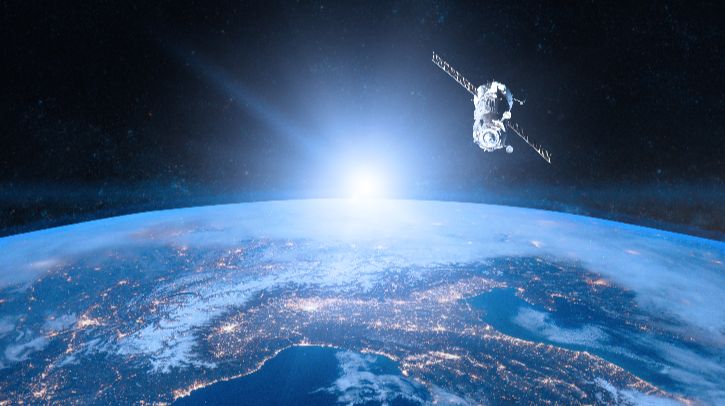
A satellite mission developed by a scientist at the University of Reading is set to improve forecasts of severe storms and hazardous weather, the university says.
WIVERN – short for Wind Velocity Radar Nephoscope – was selected on Tuesday as the European Space Agency’s 11th Earth Explorer Mission. It will provide the first direct measurements of winds within clouds and storms – filling a major gap in current weather observations.
The satellite’s concept was led by Prof. Anthony Illingworth, professor of atmospheric physics at the University of Reading. Prof. Illingworth also led the successful EarthCARE satellite mission launched in 2024. The adoption of WIVERN means he is the first scientist to have two Earth Explorer satellites adopted, according to the university.
“There’s a gap in our understanding of winds within clouds and storms. WIVERN will change that. For the first time, we’ll see how winds behave inside these systems, which helps us predict when they’ll become dangerous,” said Prof. Illingworth.
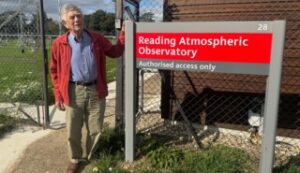
“The satellites I have helped develop will help to keep people safe from extreme weather. EarthCARE and WIVERN will work together to give us a complete picture of what’s happening inside storms and clouds. This means we can give people better warnings about dangerous weather, whether that’s a hurricane heading for the coast or flash floods from heavy rainfall,” he added.
The mission will scan an 800km swath of Earth’s surface using a dual-polarization, conically scanning, 94GHz Doppler radar. This will improve forecasts of hurricanes, thunderstorms and heavy rainfall by showing exactly how winds move within weather systems.
The satellite will also measure rain, snow and ice, contributing data to climate records and helping scientists understand how weather patterns are changing.
WIVERN’s journey began in 2020, when ESA launched a call for ideas for bold new missions that could push the boundaries of Earth science and satellite technology. From 15 proposals, four were shortlisted for detailed study. In 2023, that shortlist was narrowed to two contenders before WIVERN was selected.
ESA’s director of Earth observation programs, Simonetta Cheli, said, “After a rigorous selection process, we are excited to welcome WIVERN to the Earth Explorer family, and we are eager to see the groundbreaking science it will deliver.
“Earth Explorer missions have consistently surpassed expectations, using breakthrough technology to deliver vital insights into our planet – from climate dynamics to ice melt and gravity.”
In related news, NOAA awards $24.3m contract to PlanetiQ for satellite weather data