


Close Menu
Meteorological Technology International
  • News
    • A-E
      • Agriculture
      • Automated Weather Stations
      • Aviation
      • Climate Measurement
      • Data
      • Developing Countries
      • Digital Applications
      • Early Warning Systems
      • Extreme Weather
    • G-P
      • Hydrology
      • Lidar
      • Lightning Detection
      • New Appointments
      • Nowcasting
      • Numerical Weather Prediction
      • Polar Weather
    • R-S
      • Radar
      • Rainfall
      • Remote Sensing
      • Renewable Energy
      • Satellites
      • Solar
      • Space Weather
      • Supercomputers
    • T-Z
      • Training
      • Transport
      • Weather Instruments
      • Wind
      • World Meteorological Organization
      • Meteorological Technology World Expo
  • Features
  • Online Magazines
    • January 2026
    • April 2025
    • January 2025
    • September 2024
    • April 2024
    • Archive Issues
    • Subscribe Free!
  • Opinion
  • Videos
  • Supplier Spotlight
  • Expo
LinkedIn X (Twitter) Facebook
  • Sign-up for Free Weekly E-Newsletter
  • Meet the Editors
  • Contact Us
  • Media Pack
LinkedIn Facebook
Subscribe
Meteorological Technology International
  • News
      • Agriculture
      • Automated Weather Stations
      • Aviation
      • Climate Measurement
      • Data
      • Developing Countries
      • Digital Applications
      • Early Warning Systems
      • Extreme Weather
      • Hydrology
      • Lidar
      • Lightning Detection
      • New Appointments
      • Nowcasting
      • Numerical Weather Prediction
      • Polar Weather
      • Radar
      • Rainfall
      • Remote Sensing
      • Renewable Energy
      • Satellites
      • Solar
      • Space Weather
      • Supercomputers
      • Training
      • Transport
      • Weather Instruments
      • Wind
      • World Meteorological Organization
      • Meteorological Technology World Expo
  • Features
  • Online Magazines
    1. April 2026
    2. January 2026
    3. September 2025
    4. April 2025
    5. January 2025
    6. September 2024
    7. April 2024
    8. January 2024
    9. Archive Issues
    10. Subscribe Free!
    Featured
    May 5, 2026

    In this Issue – April 2026

    By Web TeamMay 5, 2026
    Recent

    In this Issue – April 2026

    May 5, 2026

    In this Issue – January 2026

    November 27, 2025

    In this Issue – September 2025

    August 11, 2025
  • Opinion
  • Videos
  • Supplier Spotlight
  • Expo
Facebook LinkedIn
Subscribe
Meteorological Technology International
Satellites

SwRI awarded US$54m contract to develop QuickSounder weather satellite

Elizabeth BakerBy Elizabeth BakerFebruary 2, 20243 Mins Read
Share LinkedIn Facebook Twitter Email
Share
LinkedIn Facebook Twitter Email

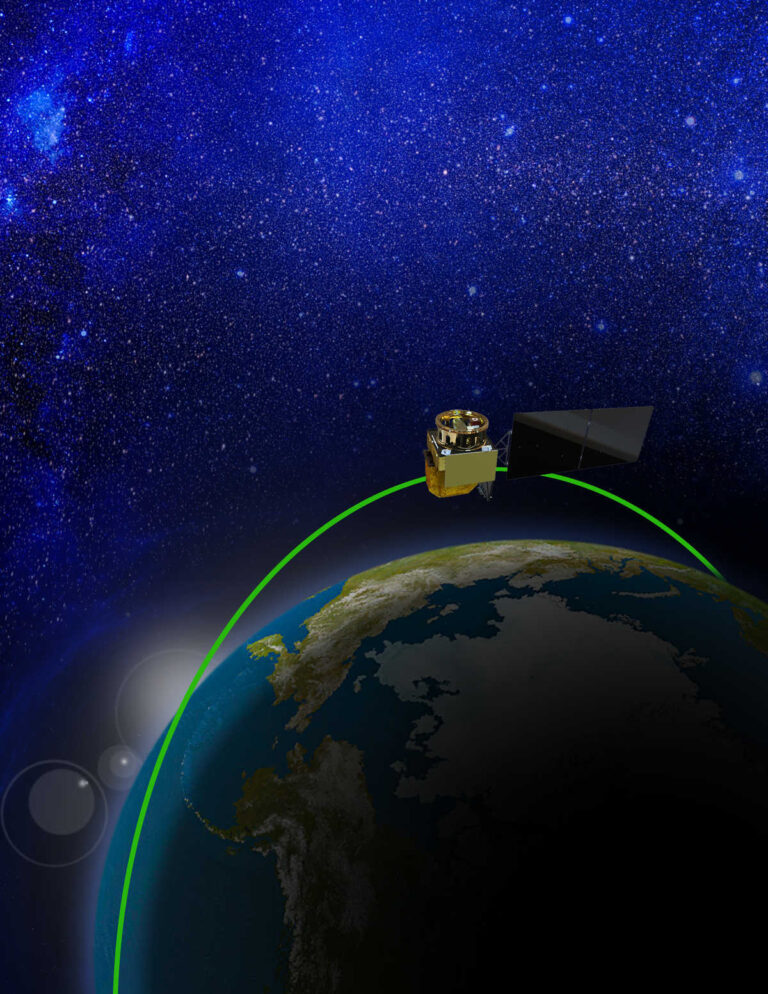
NASA and NOAA have selected Southwest Research Institute (SwRI) to develop QuickSounder, the first in a new generation of NOAA low-Earth orbit environmental satellites. Under the US$54m contract, SwRI will design and build the satellite and operate it for three years.

QuickSounder will start NOAA’s Near Earth Orbit Network (NEON) program. NEON is a collaborative mission between NASA and NOAA – NASA will manage the development and launch of the satellites for NOAA, which will operate them and deliver data to users worldwide. NEON satellites are expected to provide critical data to support weather forecasting, climate monitoring and environmental observation.

As a pathfinder mission and NOAA’s first environmental smallsat, QuickSounder will serve as a prototype for its next generation of environmental satellites. While environmental satellites usually take 10 years or longer to develop and launch, QuickSounder is expected to launch in mid-2026 – less than 27 months after the award. Improved development timelines are expected to provide NOAA with the opportunity to fly newer, more advanced technology instruments in the future.

Michael McLelland, vice president of SwRI’s Space Systems Division, said, “Our team is very excited to play such an important role in working with NOAA to develop their next-generation satellite architecture.”

QuickSounder will carry NOAA’s Advanced Technology Microwave Sounder (ATMS) instrument, which provides information about the physical properties of Earth’s atmosphere – such as temperature and moisture – that heavily influence weather patterns. QuickSounder delivers 95% of collected data within 30 minutes. This improvement in data latency is expected to improve NOAA’s weather forecasting ability.

After SwRI has built QuickSounder and integrated the ATMS instrument, the institute will perform environmental testing (thermal vacuum, vibration and acoustic) on the completed spacecraft to ensure that it will survive the launch and space environments. The satellite will be 2.6ft (80cm) wide and 3.7ft (114cm) long and weigh about 465lb (211kg), including the xenon propellant used by its small electric propulsion thruster.

SwRI will deliver QuickSounder to the launch site when it’s completed in 2026, perform launch vehicle integration, support the launch and then will check out and operate the satellite from the Institute’s Mission Operations Center in Boulder, Colorado, until 2029.

All design, fabrication and testing processes will occur within SwRI’s 74,000ft2 Space System Integration Facility at its San Antonio headquarters. The facility has been configured to rapidly respond to commercial and government spacecraft needs, particularly small satellites targeted at emerging “new space” applications.

For more key satellite updates from the meteorological technology industry, click here.

Previous ArticleLockheed Martin Ventures invests in Meteomatics
Next Article WMO meets the UN to strengthen partnerships

Read Similar Stories

Satellites

SMILE mission launches to study Earth’s magnetic shield and space weather

May 20, 20263 Mins Read
Videos

VIDEO: Meteosat-12 imagery over Europe and Africa made available via YouTube streams

May 19, 20262 Mins Read
Extreme Weather

Wildfires can create ‘burn scar heat islands’ that alter weather patterns, study finds

May 6, 20263 Mins Read
Latest News

SMILE mission launches to study Earth’s magnetic shield and space weather

May 20, 2026

Cloud measurement campaign targets improved climate model accuracy

May 20, 2026

VIDEO: Meteosat-12 imagery over Europe and Africa made available via YouTube streams

May 19, 2026

Receive breaking stories and features in your inbox each week, for free


Enter your email address:


Supplier Spotlights
  • Synoptic Data PBC
Getting in Touch
  • Contact Us / Advertise
  • Meet the Editors
  • Media Pack
  • Free Weekly E-Newsletter
Our Social Channels
  • Facebook
  • LinkedIn
© 2026 UKi Media & Events a division of UKIP Media & Events Ltd
  • Cookie Policy
  • Privacy Policy
  • Terms and Conditions
  • Notice and Takedown Policy

Type above and press Enter to search. Press Esc to cancel.