


Close Menu
Meteorological Technology International
  • News
    • A-E
      • Agriculture
      • Automated Weather Stations
      • Aviation
      • Climate Measurement
      • Data
      • Developing Countries
      • Digital Applications
      • Early Warning Systems
      • Extreme Weather
    • G-P
      • Hydrology
      • Lidar
      • Lightning Detection
      • New Appointments
      • Nowcasting
      • Numerical Weather Prediction
      • Polar Weather
    • R-S
      • Radar
      • Rainfall
      • Remote Sensing
      • Renewable Energy
      • Satellites
      • Solar
      • Space Weather
      • Supercomputers
    • T-Z
      • Training
      • Transport
      • Weather Instruments
      • Wind
      • World Meteorological Organization
      • Meteorological Technology World Expo
  • Features
  • Online Magazines
    • January 2026
    • April 2025
    • January 2025
    • September 2024
    • April 2024
    • Archive Issues
    • Subscribe Free!
  • Opinion
  • Videos
  • Supplier Spotlight
  • Expo
LinkedIn X (Twitter) Facebook
  • Sign-up for Free Weekly E-Newsletter
  • Meet the Editors
  • Contact Us
  • Media Pack
LinkedIn Facebook
Subscribe
Meteorological Technology International
  • News
      • Agriculture
      • Automated Weather Stations
      • Aviation
      • Climate Measurement
      • Data
      • Developing Countries
      • Digital Applications
      • Early Warning Systems
      • Extreme Weather
      • Hydrology
      • Lidar
      • Lightning Detection
      • New Appointments
      • Nowcasting
      • Numerical Weather Prediction
      • Polar Weather
      • Radar
      • Rainfall
      • Remote Sensing
      • Renewable Energy
      • Satellites
      • Solar
      • Space Weather
      • Supercomputers
      • Training
      • Transport
      • Weather Instruments
      • Wind
      • World Meteorological Organization
      • Meteorological Technology World Expo
  • Features
  • Online Magazines
    1. January 2026
    2. September 2025
    3. April 2025
    4. January 2025
    5. September 2024
    6. April 2024
    7. January 2024
    8. September 2023
    9. April 2023
    10. Archive Issues
    11. Subscribe Free!
    Featured
    November 27, 2025

    In this Issue – January 2026

    By Hazel KingNovember 27, 2025
    Recent

    In this Issue – January 2026

    November 27, 2025

    In this Issue – September 2025

    August 11, 2025

    In this Issue – April 2025

    April 15, 2025
  • Opinion
  • Videos
  • Supplier Spotlight
  • Expo
Facebook LinkedIn
Subscribe
Meteorological Technology International
Automated Weather Stations

PG&E adds 300 weather stations to improve forecasting capabilities across its network

Dan SymondsBy Dan SymondsNovember 16, 20212 Mins Read
Share LinkedIn Facebook Twitter Email
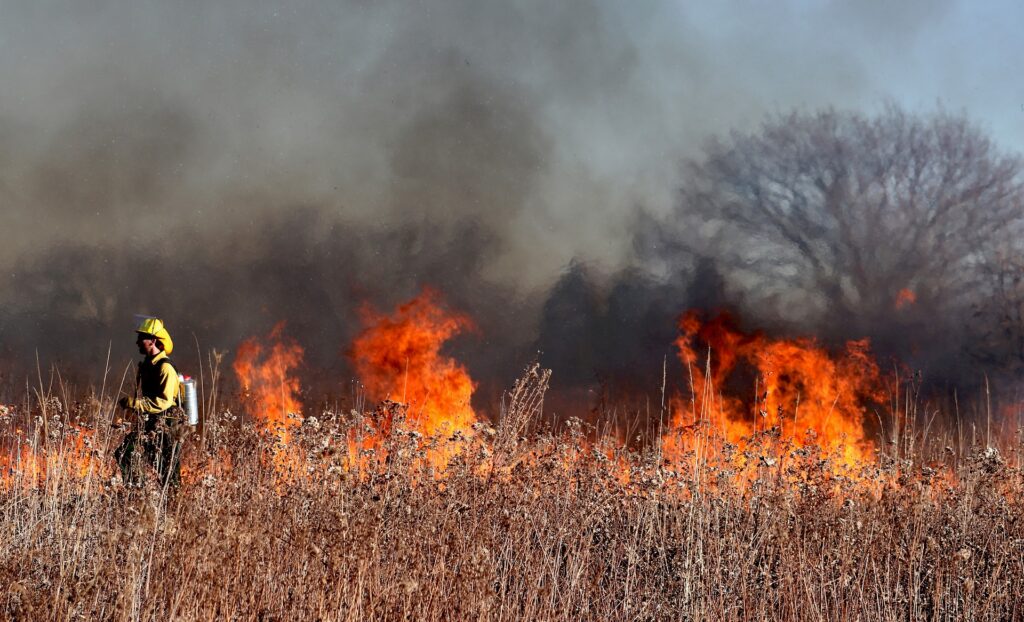
The increased weather data will help PG&E to monitor wildfires, among other weather phenomena - Credit: Pixabay
Share
LinkedIn Facebook Twitter Email

US utilities supplier Pacific Gas and Electric Company (PG&E) has completed the installation of an additional 300 weather stations to improve its forecasting abilities throughout its network.

The project was completed two months ahead of schedule and marks the end of PG&E’s long-term goal to install more than 1,300 weather stations in total, with one station for every 20-line miles of electric distribution circuits in high fire-threat areas.

Data captured by the weather stations, such as temperature, wind speed and humidity levels, helps PG&E meteorologists evaluate and predict severe weather conditions, and then inform utility operational planning.

Scott Strenfel, director of meteorology and fire science, PG&E, said, “Since 2018 we have installed more than 1,300 weather stations to build one of the largest utility-owned weather stations networks in the world allowing us to track temperature, wind speed and humidity in real time to better serve our customers and communities. These weather stations help us to better monitor and forecast severe weather threats and inform our operational decisions.”

The weather stations not only send hyperlocal data to PG&E meteorologists, but also to analysts and experts in PG&E’s Wildfire Safety Operations Center (WSOC). The WSOC is the hub where PG&E detects, evaluates, monitors and responds to wildfire threats across its service area.

Previous ArticleNumber of people affected by heat stress would increase 15-fold at 2°C warming, warns Met Office
Next Article Greenland ice melt increases by more than 20% in 40 years, finds ESA-backed study

Read Similar Stories

Climate Measurement

Regional training aims to improve flood forecasting in Central Africa

April 1, 20263 Mins Read
Early Warning Systems

European Commission sets out strategy to address growing wildfire risk

March 31, 20263 Mins Read
Rainfall

New research to improve flash flood warnings in rural Virginia

March 17, 20263 Mins Read
Latest News

WMO signals increasing likelihood of El Niño developing in 2026

April 24, 2026

Alabama partners with Climavision to expand weather radar coverage statewide

April 24, 2026

Extreme heat posing significant risks to ecosystems and agriculture, FAO-WMO report warns

April 22, 2026

Receive breaking stories and features in your inbox each week, for free


Enter your email address:


Supplier Spotlights
  • Reuniwatt
Getting in Touch
  • Contact Us / Advertise
  • Meet the Editors
  • Media Pack
  • Free Weekly E-Newsletter
Our Social Channels
  • Facebook
  • LinkedIn
© 2026 UKi Media & Events a division of UKIP Media & Events Ltd
  • Cookie Policy
  • Privacy Policy
  • Terms and Conditions
  • Notice and Takedown Policy

Type above and press Enter to search. Press Esc to cancel.