


Close Menu
Meteorological Technology International
  • News
    • A-E
      • Agriculture
      • Automated Weather Stations
      • Aviation
      • Climate Measurement
      • Data
      • Developing Countries
      • Digital Applications
      • Early Warning Systems
      • Extreme Weather
    • G-P
      • Hydrology
      • Lidar
      • Lightning Detection
      • New Appointments
      • Nowcasting
      • Numerical Weather Prediction
      • Polar Weather
    • R-S
      • Radar
      • Rainfall
      • Remote Sensing
      • Renewable Energy
      • Satellites
      • Solar
      • Space Weather
      • Supercomputers
    • T-Z
      • Training
      • Transport
      • Weather Instruments
      • Wind
      • World Meteorological Organization
      • Meteorological Technology World Expo
  • Features
  • Online Magazines
    • January 2026
    • April 2025
    • January 2025
    • September 2024
    • April 2024
    • Archive Issues
    • Subscribe Free!
  • Opinion
  • Videos
  • Supplier Spotlight
  • Expo
LinkedIn X (Twitter) Facebook
  • Sign-up for Free Weekly E-Newsletter
  • Meet the Editors
  • Contact Us
  • Media Pack
LinkedIn Facebook
Subscribe
Meteorological Technology International
  • News
      • Agriculture
      • Automated Weather Stations
      • Aviation
      • Climate Measurement
      • Data
      • Developing Countries
      • Digital Applications
      • Early Warning Systems
      • Extreme Weather
      • Hydrology
      • Lidar
      • Lightning Detection
      • New Appointments
      • Nowcasting
      • Numerical Weather Prediction
      • Polar Weather
      • Radar
      • Rainfall
      • Remote Sensing
      • Renewable Energy
      • Satellites
      • Solar
      • Space Weather
      • Supercomputers
      • Training
      • Transport
      • Weather Instruments
      • Wind
      • World Meteorological Organization
      • Meteorological Technology World Expo
  • Features
  • Online Magazines
    1. April 2026
    2. January 2026
    3. September 2025
    4. April 2025
    5. January 2025
    6. September 2024
    7. April 2024
    8. January 2024
    9. Archive Issues
    10. Subscribe Free!
    Featured
    May 5, 2026

    In this Issue – April 2026

    By Web TeamMay 5, 2026
    Recent

    In this Issue – April 2026

    May 5, 2026

    In this Issue – January 2026

    November 27, 2025

    In this Issue – September 2025

    August 11, 2025
  • Opinion
  • Videos
  • Supplier Spotlight
  • Expo
Facebook LinkedIn
Subscribe
Meteorological Technology International
Climate Measurement

Pollen season begins a month sooner in parts of Europe due to climate change, finds FMI

Dan SymondsBy Dan SymondsNovember 10, 20223 Mins Read
Share LinkedIn Facebook Twitter Email
Share
LinkedIn Facebook Twitter Email

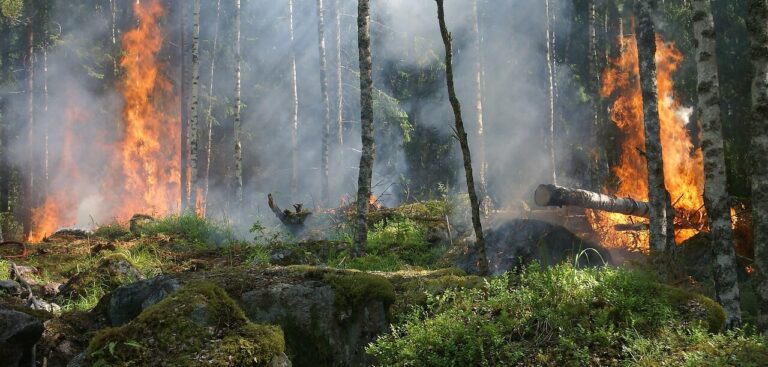
A report from the Finnish Meteorological Institute (FMI) has found that the pollen season in certain parts of Europe starts almost a month earlier than it did 40 years ago. The increasing temperatures and drought have also increased the risk for wildfires during the last 20 years. However, this does not necessarily mean that everywhere people are more exposed to fine particles originating from fires.

The conclusions were published in the 2022 Lancet Countdown global and European reports, where FMI researchers investigated the change in the pollen season in Europe during the last 40 years focusing on birch, alder and olive trees. Currently, the pollen season starts earlier, and it also ends earlier, so that the duration of the season is only slightly longer than 40 years ago.

The largest shifts in the pollen season start are especially visible at high altitudes such as the Alps, Balkan and Scandinavian ridge where the shifts can reach one month. In mainland Europe, the season starts on average 10-20 days earlier than 40 years ago.

Increasing temperatures and wildfires
The researchers modeled how the fine particles from forest fires spread in the atmosphere and estimated how much people are exposed to harmful fine particles. The results indicate that in Europe the particulate matter concentrations originating from fires are generally decreasing, despite the changes in climate favor wildfires.

Similar effects are observed in other parts of the globe. Even if the drought and extreme heatwaves have become more frequent in many places, for example in Australia, there may be no clear increase in fire-related fine particle concentrations during the research period 2003–2021. Noticeable increase in concentrations was observed in India, Eastern Russia and Western parts of Canada and the USA, except for Alaska where the concentrations have been decreasing. A decrease was visible in the Amazonian region, Argentina, Kazakhstan and in some parts of Africa. Generally, it is mainly the increasing world population and its distribution that pushes up the population exposure to harmful fire-originating aerosols.

Fossil-fuel addiction
The 2022 Lancet Countdown report tracks the relationship between health and climate change across more than 40 indicators. The Lancet publication considers how these indicators evolve globally while the Lancet Public Health publication concentrates on the European region.

According to the 2022 Lancet Countdown report, climate change threatens to undermine the last 50 years of gains in public health, with more intense and frequent extreme weather and weather-related events, increased heatwave exposure, alteration in the spread of infectious diseases, and exacerbated poverty and mental ill-health. The negative impacts on health are amplified by the fossil-fuel addiction of society.

To read more from the Lancet Public Health report, click here.

Previous ArticleNOAA’s JPSS-2 satellite heads toward orbit
Next Article DTN launches severe storm analytics offering for electric utility firms

Read Similar Stories

Extreme Weather

Wildfires can create ‘burn scar heat islands’ that alter weather patterns, study finds

May 6, 20263 Mins Read
Digital Applications

AI models lag behind traditional systems in predicting extreme weather

May 5, 20262 Mins Read
Extreme Weather

Researchers investigate links between air pollution, extreme weather and climate

May 1, 20262 Mins Read
Latest News

G7 countries pledge additional funding for CREWS early warning initiative

May 7, 2026

Wildfires can create ‘burn scar heat islands’ that alter weather patterns, study finds

May 6, 2026

FEATURE: Local thunderstorm detection for real-time decision support

May 6, 2026

Receive breaking stories and features in your inbox each week, for free


Enter your email address:


Supplier Spotlights
  • Meteomatics AG
Getting in Touch
  • Contact Us / Advertise
  • Meet the Editors
  • Media Pack
  • Free Weekly E-Newsletter
Our Social Channels
  • Facebook
  • LinkedIn
© 2026 UKi Media & Events a division of UKIP Media & Events Ltd
  • Cookie Policy
  • Privacy Policy
  • Terms and Conditions
  • Notice and Takedown Policy

Type above and press Enter to search. Press Esc to cancel.