


Close Menu
Meteorological Technology International
  • News
    • A-E
      • Agriculture
      • Automated Weather Stations
      • Aviation
      • Climate Measurement
      • Data
      • Developing Countries
      • Digital Applications
      • Early Warning Systems
      • Extreme Weather
    • G-P
      • Hydrology
      • Lidar
      • Lightning Detection
      • New Appointments
      • Nowcasting
      • Numerical Weather Prediction
      • Polar Weather
    • R-S
      • Radar
      • Rainfall
      • Remote Sensing
      • Renewable Energy
      • Satellites
      • Solar
      • Space Weather
      • Supercomputers
    • T-Z
      • Training
      • Transport
      • Weather Instruments
      • Wind
      • World Meteorological Organization
      • Meteorological Technology World Expo
  • Features
  • Online Magazines
    • January 2026
    • April 2025
    • January 2025
    • September 2024
    • April 2024
    • Archive Issues
    • Subscribe Free!
  • Opinion
  • Videos
  • Supplier Spotlight
  • Expo
LinkedIn X (Twitter) Facebook
  • Sign-up for Free Weekly E-Newsletter
  • Meet the Editors
  • Contact Us
  • Media Pack
LinkedIn Facebook
Subscribe
Meteorological Technology International
  • News
      • Agriculture
      • Automated Weather Stations
      • Aviation
      • Climate Measurement
      • Data
      • Developing Countries
      • Digital Applications
      • Early Warning Systems
      • Extreme Weather
      • Hydrology
      • Lidar
      • Lightning Detection
      • New Appointments
      • Nowcasting
      • Numerical Weather Prediction
      • Polar Weather
      • Radar
      • Rainfall
      • Remote Sensing
      • Renewable Energy
      • Satellites
      • Solar
      • Space Weather
      • Supercomputers
      • Training
      • Transport
      • Weather Instruments
      • Wind
      • World Meteorological Organization
      • Meteorological Technology World Expo
  • Features
  • Online Magazines
    1. April 2026
    2. January 2026
    3. September 2025
    4. April 2025
    5. January 2025
    6. September 2024
    7. April 2024
    8. January 2024
    9. Archive Issues
    10. Subscribe Free!
    Featured
    May 5, 2026

    In this Issue – April 2026

    By Web TeamMay 5, 2026
    Recent

    In this Issue – April 2026

    May 5, 2026

    In this Issue – January 2026

    November 27, 2025

    In this Issue – September 2025

    August 11, 2025
  • Opinion
  • Videos
  • Supplier Spotlight
  • Expo
Facebook LinkedIn
Subscribe
Meteorological Technology International
Climate Measurement

Third of World Heritage glaciers to disappear by 2050, finds UNESCO report

Dan SymondsBy Dan SymondsNovember 4, 20223 Mins Read
Share LinkedIn Facebook Twitter Email
Share
LinkedIn Facebook Twitter Email

UNESCO has warned that a third of the 18,600 glaciers identified at 50 World Heritage sites are set to disappear by 2050, representing almost 10% of the Earth’s total glacierized area [66,000km2 of 726,000km2 (Global Land Ice Measurements from Space [GLIMS])].

World Heritage glaciers include the highest (next to Mt Everest), the longest (in Alaska), and the last remaining glaciers in Africa, among others.

Conducted in partnership with the International Union for Conservation of Nature (IUCN), the new UNESCO study shows that these glaciers have been retreating at an accelerated rate since 2000 due to global warming. They are currently losing 58 billion tons of ice every and are responsible for nearly 5% of observed global sea-level rise.

The report concludes that glaciers in a third of the 50 World Heritage sites are condemned to disappear by 2050, regardless of efforts to limit temperature increases. However, it states that it is still possible to save the glaciers in the remaining two thirds of sites if the rise in temperatures does not exceed 1.5°C compared to the pre-industrial period.

Audrey Azoulay, UNESCO director-general, said, “This report is a call to action. Only a rapid reduction in our CO2  emissions levels can save glaciers and the exceptional biodiversity that depends on them. COP27 will have a crucial role to help find solutions to this issue. UNESCO is determined to support states in pursuing this goal.”

In addition to drastically reduced carbon emissions, UNESCO is advocating for the creation of an international fund for glacier monitoring and preservation. Such a fund would support comprehensive research, promote exchange networks between all stakeholders and implement early warning and disaster risk reduction measures.

Around half of the globe depends directly or indirectly on glaciers as their water source for domestic use, agriculture, and power.

Dr Bruno Oberle, IUCN director general, said, “When glaciers melt rapidly, millions of people face water scarcity and the increased risk of natural disasters such as flooding, and millions more may be displaced by the resulting rise in sea levels. This study highlights the urgent need to cut greenhouse gas emissions and invest in nature-based solutions, which can help mitigate climate change and allow people to better adapt to its impacts.”

Examples of endangered glaciers by region
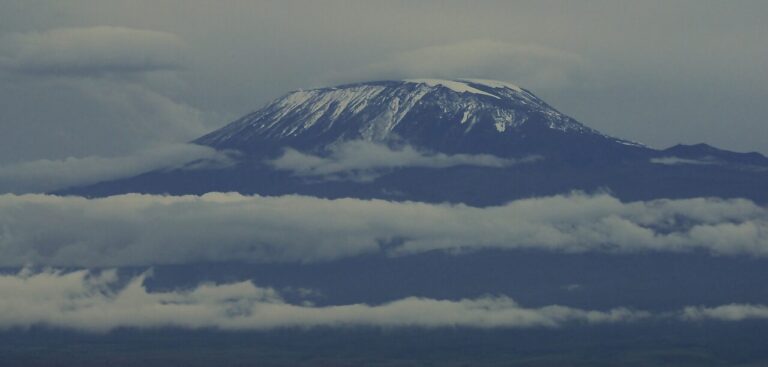
Africa: According to available data, glaciers in all World Heritage sites in Africa will very likely be gone by 2050, incl. Kilimanjaro National Park and Mount Kenya.

Asia: Glaciers in Three Parallel Rivers of Yunnan Protected Areas (China) – #1 highest mass loss relative to 2000 (57.2%) and also the fastest melting glacier on the list. Glaciers in Western Tien-Shan (Kazakhstan, Kyrgyzstan, Uzbekistan) have shrunk by 27% since 2000.

Europe: Glaciers in Pyrenees Mont Perdu (France, Spain) – very likely to disappear by 2050. Glaciers in The Dolomites (Italy) – very likely to disappear by 2050.

Latin America: Glaciers in Los Alerces National Park (Argentina) – #2 highest mass loss relative to 2000 (45.6%). Glaciers in Huascaran National Park (Peru) have shrunk by 15% since 2000.

North America: Glaciers in Yellowstone National Park (USA) – very likely to disappear by 2050. Glaciers in Yosemite National Park (USA) – very likely to disappear by 2050. Glaciers in Waterton Glacier International Peace Park (Canada, USA) have lost 26.5% of their volume in 20 years.

Oceania: Glaciers in Te Wahipounamu – South West New Zealand (New Zealand) have lost almost 20% of their volume since 2000.

To view the complete UNESCO report, click here.

Previous ArticleEdinburgh Airport to investigate untapped wind energy potential
Next Article Virginia Tech joins UCAR consortium

Read Similar Stories

Climate Measurement

Cloud measurement campaign targets improved climate model accuracy

May 20, 20263 Mins Read
Videos

VIDEO: Meteosat-12 imagery over Europe and Africa made available via YouTube streams

May 19, 20262 Mins Read
Extreme Weather

Impacts of extreme weather and rising temperatures intensify across Latin America and Caribbean

May 15, 20263 Mins Read
Latest News

R.M. Young Company reengineers SNOdar snow-depth sensor

May 21, 2026

SMILE mission launches to study Earth’s magnetic shield and space weather

May 20, 2026

Cloud measurement campaign targets improved climate model accuracy

May 20, 2026

Receive breaking stories and features in your inbox each week, for free


Enter your email address:


Supplier Spotlights
  • Raymetrics
Getting in Touch
  • Contact Us / Advertise
  • Meet the Editors
  • Media Pack
  • Free Weekly E-Newsletter
Our Social Channels
  • Facebook
  • LinkedIn
© 2026 UKi Media & Events a division of UKIP Media & Events Ltd
  • Cookie Policy
  • Privacy Policy
  • Terms and Conditions
  • Notice and Takedown Policy

Type above and press Enter to search. Press Esc to cancel.