


Close Menu
Meteorological Technology International
  • News
    • A-E
      • Agriculture
      • Automated Weather Stations
      • Aviation
      • Climate Measurement
      • Data
      • Developing Countries
      • Digital Applications
      • Early Warning Systems
      • Extreme Weather
    • G-P
      • Hydrology
      • Lidar
      • Lightning Detection
      • New Appointments
      • Nowcasting
      • Numerical Weather Prediction
      • Polar Weather
    • R-S
      • Radar
      • Rainfall
      • Remote Sensing
      • Renewable Energy
      • Satellites
      • Solar
      • Space Weather
      • Supercomputers
    • T-Z
      • Training
      • Transport
      • Weather Instruments
      • Wind
      • World Meteorological Organization
      • Meteorological Technology World Expo
  • Features
  • Online Magazines
    • January 2026
    • April 2025
    • January 2025
    • September 2024
    • April 2024
    • Archive Issues
    • Subscribe Free!
  • Opinion
  • Videos
  • Supplier Spotlight
  • Expo
LinkedIn X (Twitter) Facebook
  • Sign-up for Free Weekly E-Newsletter
  • Meet the Editors
  • Contact Us
  • Media Pack
LinkedIn Facebook
Subscribe
Meteorological Technology International
  • News
      • Agriculture
      • Automated Weather Stations
      • Aviation
      • Climate Measurement
      • Data
      • Developing Countries
      • Digital Applications
      • Early Warning Systems
      • Extreme Weather
      • Hydrology
      • Lidar
      • Lightning Detection
      • New Appointments
      • Nowcasting
      • Numerical Weather Prediction
      • Polar Weather
      • Radar
      • Rainfall
      • Remote Sensing
      • Renewable Energy
      • Satellites
      • Solar
      • Space Weather
      • Supercomputers
      • Training
      • Transport
      • Weather Instruments
      • Wind
      • World Meteorological Organization
      • Meteorological Technology World Expo
  • Features
  • Online Magazines
    1. January 2026
    2. September 2025
    3. April 2025
    4. January 2025
    5. September 2024
    6. April 2024
    7. January 2024
    8. September 2023
    9. April 2023
    10. Archive Issues
    11. Subscribe Free!
    Featured
    November 27, 2025

    In this Issue – January 2026

    By Hazel KingNovember 27, 2025
    Recent

    In this Issue – January 2026

    November 27, 2025

    In this Issue – September 2025

    August 11, 2025

    In this Issue – April 2025

    April 15, 2025
  • Opinion
  • Videos
  • Supplier Spotlight
  • Expo
Facebook LinkedIn
Subscribe
Meteorological Technology International
Climate Measurement

UK Met Office launches new climate science program ahead of COP26

Helen NormanBy Helen NormanJune 23, 20213 Mins Read
Share LinkedIn Facebook Twitter Email
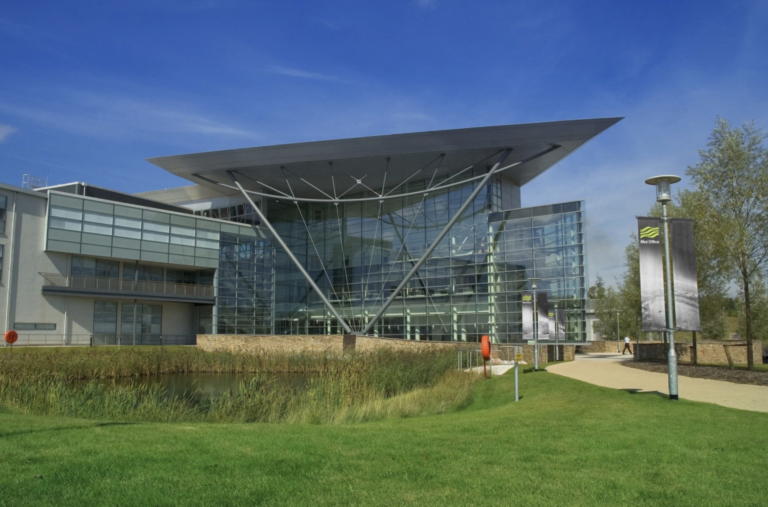
The Met Office Hadley Centre
Share
LinkedIn Facebook Twitter Email

Ahead of the COP26 climate conference in Glasgow at the end of this year, the UK Met Office has launched a new climate science program to address some of the key scientific challenges informing the international climate gathering and beyond.

Albert Klein Tank, director of the Met Office Hadley Centre, said, “With the signing of the Paris Agreement in 2015 and a commitment to reach Net Zero by 2050 – in just 30 years’ time – the UK government’s climate science needs are changing. And we are realigning our work program to address the new landscape.”

The new Hadley Centre work program is centered on four questions from the UK government:

  • Current weather and climate risks and impacts expected globally and in the UK:
    How is weather and climate changing in different parts of the world and what is influencing these changes? In the UK, how do these changes vary by region and geography?
  • Future risks and impacts from weather and climate we need to avoid or need to adapt to:
    How will weather and climate evolve over the next century in different parts of the world under different emission scenarios? How will climate change affect the duration, location, frequency and intensity of extreme weather events? What are the risks and impacts of climate variability and change globally and at the UK scale on a range of timescales?
  • What are the carbon budget and mitigation scenarios that will avoid the most dangerous impacts of global climate change: What global carbon budgets and emission pathways are compatible with different levels of warming (i.e., 1.5°C, 2°C, and higher)? What is the required magnitude and rate of emissions reduction to stay below these levels of warming, and when should net-zero emissions be achieved to deliver these? What are the implications of delaying mitigation actions, and what are the consequences of an overshoot in temperatures in terms of physical impacts and potential for irreversible change?
  • Impacts and opportunities from mitigation and adaptation actions to proceed toward a resilient and net-zero future – impacts and opportunities of mitigation and adaptation: What are the physical impacts and related opportunities, trade-offs and co-benefits (e.g. on air quality) of the mitigation and adaptation actions associated with these levels of warming (i.e., 1.5°C, 2.0°C, and higher)?

“Preparing for inevitable climate changes in the next 30 years will require more local analysis and even more information on how global warming translates into local-scale changes in weather and climate extremes. Further research around stronger mitigation actions is needed to inform climate policy ahead of COP26, ensuring carbon budgets that limit global warming to well below 2.0°C and preferably 1.5°C are put in place,” Klein Tank added.

In April, the UK Met Office announced an agreement with Microsoft for the provision of the world’s most powerful weather and climate forecasting supercomputer. This leap forward in technological development will help underpin the Hadley Centre’s Climate Programme.

Funded by the Department of Business, Energy and Industrial Strategy (BEIS), but with input from other government departments, the UK Met Office Hadley Centre Climate Programme undertakes climate change research in collaboration with academic partners in the UK and internationally. Met Office Hadley Centre Climate Programme research also contributes to major international climate science initiatives such as IPCC reports.

Previous ArticleGeomar to cooperate with adventurer Arved Fuchs and the Ocean Change 2021 expedition
Next Article WMO Executive Council approves new unified data policy

Read Similar Stories

Extreme Weather

Researchers investigate links between air pollution, extreme weather and climate

May 1, 20262 Mins Read
Radar

Météo-France begins construction of France’s tallest weather radar tower in Sembadel

April 29, 20262 Mins Read
Climate Measurement

European climate report highlights record heat, glacier loss and rising extremes

April 27, 20263 Mins Read
Latest News

Researchers investigate links between air pollution, extreme weather and climate

May 1, 2026

China expands MAZU early warning system for developing countries

April 30, 2026

Météo-France begins construction of France’s tallest weather radar tower in Sembadel

April 29, 2026

Receive breaking stories and features in your inbox each week, for free


Enter your email address:


Supplier Spotlights
  • Senseca
Getting in Touch
  • Contact Us / Advertise
  • Meet the Editors
  • Media Pack
  • Free Weekly E-Newsletter
Our Social Channels
  • Facebook
  • LinkedIn
© 2026 UKi Media & Events a division of UKIP Media & Events Ltd
  • Cookie Policy
  • Privacy Policy
  • Terms and Conditions
  • Notice and Takedown Policy

Type above and press Enter to search. Press Esc to cancel.