


Close Menu
Meteorological Technology International
  • News
    • A-E
      • Agriculture
      • Automated Weather Stations
      • Aviation
      • Climate Measurement
      • Data
      • Developing Countries
      • Digital Applications
      • Early Warning Systems
      • Extreme Weather
    • G-P
      • Hydrology
      • Lidar
      • Lightning Detection
      • New Appointments
      • Nowcasting
      • Numerical Weather Prediction
      • Polar Weather
    • R-S
      • Radar
      • Rainfall
      • Remote Sensing
      • Renewable Energy
      • Satellites
      • Solar
      • Space Weather
      • Supercomputers
    • T-Z
      • Training
      • Transport
      • Weather Instruments
      • Wind
      • World Meteorological Organization
      • Meteorological Technology World Expo
  • Features
  • Online Magazines
    • January 2026
    • April 2025
    • January 2025
    • September 2024
    • April 2024
    • Archive Issues
    • Subscribe Free!
  • Opinion
  • Videos
  • Supplier Spotlight
  • Expo
LinkedIn X (Twitter) Facebook
  • Sign-up for Free Weekly E-Newsletter
  • Meet the Editors
  • Contact Us
  • Media Pack
LinkedIn Facebook
Subscribe
Meteorological Technology International
  • News
      • Agriculture
      • Automated Weather Stations
      • Aviation
      • Climate Measurement
      • Data
      • Developing Countries
      • Digital Applications
      • Early Warning Systems
      • Extreme Weather
      • Hydrology
      • Lidar
      • Lightning Detection
      • New Appointments
      • Nowcasting
      • Numerical Weather Prediction
      • Polar Weather
      • Radar
      • Rainfall
      • Remote Sensing
      • Renewable Energy
      • Satellites
      • Solar
      • Space Weather
      • Supercomputers
      • Training
      • Transport
      • Weather Instruments
      • Wind
      • World Meteorological Organization
      • Meteorological Technology World Expo
  • Features
  • Online Magazines
    1. January 2026
    2. September 2025
    3. April 2025
    4. January 2025
    5. September 2024
    6. April 2024
    7. January 2024
    8. September 2023
    9. April 2023
    10. Archive Issues
    11. Subscribe Free!
    Featured
    November 27, 2025

    In this Issue – January 2026

    By Hazel KingNovember 27, 2025
    Recent

    In this Issue – January 2026

    November 27, 2025

    In this Issue – September 2025

    August 11, 2025

    In this Issue – April 2025

    April 15, 2025
  • Opinion
  • Videos
  • Supplier Spotlight
  • Expo
Facebook LinkedIn
Subscribe
Meteorological Technology International
Satellites

NASA announces CubeSat mission to study ice cloud formation

Dan SymondsBy Dan SymondsMay 25, 20232 Mins Read
Share LinkedIn Facebook Twitter Email
Photo credit: NASA
Share
LinkedIn Facebook Twitter Email

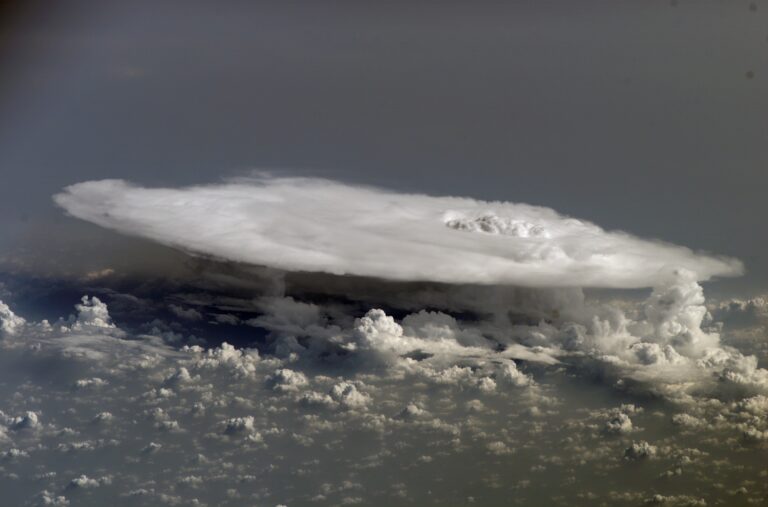
US space agency NASA has selected a new mission to help improve the understanding of ice clouds that form at high altitudes throughout tropical and subtropical regions.

The Polarized Submillimeter Ice-cloud Radiometer (PolSIR) instrument will study such ice clouds to determine how and why they change throughout the day. This will provide crucial information about how to accurately simulate these high-altitude clouds in global climate models.

The investigation consists of two identical CubeSats (each just over 30cm high) flying in orbits separated by three to nine hours. Over time, these two instruments will observe the clouds’ daily cycle of ice content.

Nicola Fox, associate administrator for the Science Mission Directorate at NASA Headquarters in Washington, said, “Studying ice clouds is crucial for improving climate forecasts – and this will be the first time we can study ice clouds in this level of detail. Every NASA mission is carefully chosen to better understand our home planet.”

The award is for lifecycle costs of no more than US$37m, which does not include launch costs. The radiometer is an Earth Venture. These lower-cost instruments have a targeted research goal and typically catch a ride on another mission or commercial satellite to minimize launch costs. The Earth Venture class also focuses on providing frequent flight opportunities, so innovative science investigations can be flown relatively quickly, generally within five years or less.

Karen St. Germain, who leads NASA’s Earth Sciences Division, said, “Understanding how these ice clouds respond to a changing climate – and then, in turn, contribute to further changes – remains one of the great challenges to predicting what the atmosphere will do in the future. The radiometers, which measure the radiant energy emitted by clouds, will significantly improve our understanding of how ice clouds change and respond throughout the day.”

Previous ArticleMeteomatics to demonstrate its Meteodrones at Meteorological Technology World Expo
Next Article World Meteorological Congress approves global greenhouse gas monitoring initiative

Read Similar Stories

Space Weather

Northumbria University secures £4m to study Earth’s radiation belts

April 16, 20262 Mins Read
Extreme Weather

AI model improves real-time prediction of wildfire spread

April 16, 20263 Mins Read
Satellites

AI tool uses weather satellite data to map ocean currents in near real time

April 14, 20263 Mins Read
Latest News

Atmospheric G2 secures Japan weather forecasting license

April 21, 2026

China completes Antarctic meteorological research mission with Xuelong icebreaker

April 21, 2026

EWR Radar Systems wins US Air Force contract for portable Doppler radar support

April 20, 2026

Receive breaking stories and features in your inbox each week, for free


Enter your email address:


Supplier Spotlights
  • LCJ Capteurs
Getting in Touch
  • Contact Us / Advertise
  • Meet the Editors
  • Media Pack
  • Free Weekly E-Newsletter
Our Social Channels
  • Facebook
  • LinkedIn
© 2026 UKi Media & Events a division of UKIP Media & Events Ltd
  • Cookie Policy
  • Privacy Policy
  • Terms and Conditions
  • Notice and Takedown Policy

Type above and press Enter to search. Press Esc to cancel.