

Close Menu
Meteorological Technology International
  • News
    • A-E
      • Agriculture
      • Automated Weather Stations
      • Aviation
      • Climate Measurement
      • Data
      • Developing Countries
      • Digital Applications
      • Early Warning Systems
      • Extreme Weather
    • G-P
      • Hydrology
      • Lidar
      • Lightning Detection
      • New Appointments
      • Nowcasting
      • Numerical Weather Prediction
      • Polar Weather
    • R-S
      • Radar
      • Rainfall
      • Remote Sensing
      • Renewable Energy
      • Satellites
      • Solar
      • Space Weather
      • Supercomputers
    • T-Z
      • Training
      • Transport
      • Weather Instruments
      • Wind
      • World Meteorological Organization
      • Meteorological Technology World Expo
  • Features
  • Online Magazines
    • January 2026
    • April 2025
    • January 2025
    • September 2024
    • April 2024
    • Archive Issues
    • Subscribe Free!
  • Opinion
  • Videos
  • Supplier Spotlight
  • Expo
LinkedIn X (Twitter) Facebook
  • Sign-up for Free Weekly E-Newsletter
  • Meet the Editors
  • Contact Us
  • Media Pack
LinkedIn Facebook
Subscribe
Meteorological Technology International
  • News
      • Agriculture
      • Automated Weather Stations
      • Aviation
      • Climate Measurement
      • Data
      • Developing Countries
      • Digital Applications
      • Early Warning Systems
      • Extreme Weather
      • Hydrology
      • Lidar
      • Lightning Detection
      • New Appointments
      • Nowcasting
      • Numerical Weather Prediction
      • Polar Weather
      • Radar
      • Rainfall
      • Remote Sensing
      • Renewable Energy
      • Satellites
      • Solar
      • Space Weather
      • Supercomputers
      • Training
      • Transport
      • Weather Instruments
      • Wind
      • World Meteorological Organization
      • Meteorological Technology World Expo
  • Features
  • Online Magazines
    1. April 2026
    2. January 2026
    3. September 2025
    4. April 2025
    5. January 2025
    6. September 2024
    7. April 2024
    8. January 2024
    9. Archive Issues
    10. Subscribe Free!
    Featured
    May 5, 2026

    In this Issue – April 2026

    By Web TeamMay 5, 2026
    Recent

    In this Issue – April 2026

    May 5, 2026

    In this Issue – January 2026

    November 27, 2025

    In this Issue – September 2025

    August 11, 2025
  • Opinion
  • Videos
  • Supplier Spotlight
  • Expo
Facebook LinkedIn
Subscribe
Meteorological Technology International
Hydrology

Satellites monitor phytoplankton

James MuirBy James MuirMarch 26, 20202 Mins Read
Share LinkedIn Facebook Twitter Email
Share
LinkedIn Facebook Twitter Email

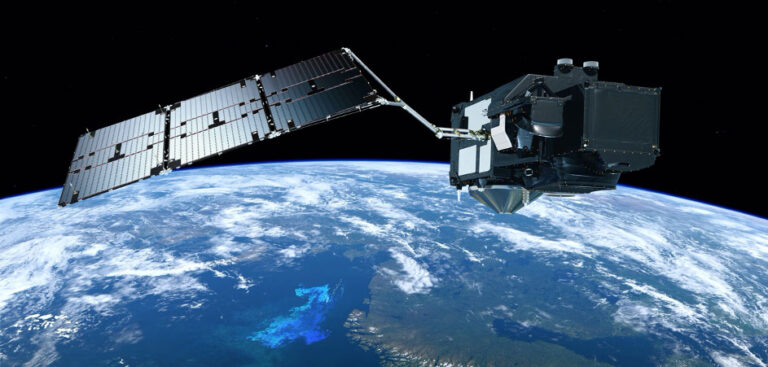
Researchers at the Alfred Wegener Institute are using satellite data to observe phytoplankton in the ocean.

Using the algorithms, studying the phytoplankton can identify toxic algal blooms and assess the effects of global warming on marine plankton, providing information on water quality.

Phytoplankton create half the oxygen we breathe using photosynthesis to produce carbohydrate, which they use as an energy source.

They grow, divide and produce biomass, and are an essential food source for small crustaceans, fish and mussel larvae, which themselves are staples for larger fish.

Marine phytoplankton are an important CO2  sink, so researchers are keen to learn how the different groups are developing around the world.

Previous studies collected water samples on research vessels or used satellites to scan the oceans, and although this could give indications of the general concentration of phytoplankton, it struggled to distinguish between the different types.

The team, led by Hongyan Xi and Astrid Bracher from the Alfred Wegener Institute for Polar and Marine Research, gleaned far more information from satellite data.

They worked with ACRI-ST with the support of European-based satellite data provider Copernicus Marine Environment Monitoring Service to develop an algorithm to distil the data into key information on five main phytoplankton.

Satellite sensors register light at various wavelengths, but the researchers analyzed an aspect known as reflectance representing the amount of sunlight striking Earth that is reflected back into space.

The reflection is due to numerous optical processes with light being scattered, bent and altered by water molecules and particles in the ocean and atmosphere.

Xi said, “The plankton, which itself contains certain pigments, has an influence on the reflectance. The reflectance can differ, depending on which types of plankton and which pigments are dominant in the water.”

The research can determine which types of phytoplankton are dominant in any given marine region, helping identify toxic harmful algal blooms and indicate water quality.

Xi said, “In the future, we’ll be able to determine whether or not the distribution of phytoplankton is affected by climate change – an important aspect in terms of predicting the impacts on ecosystems.”

Previous ArticleEconomic slowdown no substitute for climate action
Next Article Geoengineering could reduce climate change risks

Read Similar Stories

Oceans

VIDEO: Sentinel-6 satellite detects El Niño precursor in Pacific

June 4, 20262 Mins Read
Solar

New forecasting framework targets solar-limb flare blind spot

June 4, 20262 Mins Read
Satellites

SMILE mission launches to study Earth’s magnetic shield and space weather

May 20, 20263 Mins Read
Latest News

VIDEO: Sentinel-6 satellite detects El Niño precursor in Pacific

June 4, 2026

New forecasting framework targets solar-limb flare blind spot

June 4, 2026

Colorado State University and Nvidia partner to extend severe storm prediction lead times

June 2, 2026

Receive breaking stories and features in your inbox each week, for free


Enter your email address:


Supplier Spotlights
  • Nel Hydrogen
Getting in Touch
  • Contact Us / Advertise
  • Meet the Editors
  • Media Pack
  • Free Weekly E-Newsletter
Our Social Channels
  • Facebook
  • LinkedIn
© 2026 UKi Media & Events a division of UKIP Media & Events Ltd
  • Cookie Policy
  • Privacy Policy
  • Terms and Conditions
  • Notice and Takedown Policy

Type above and press Enter to search. Press Esc to cancel.