

Close Menu
Meteorological Technology International
  • News
    • A-E
      • Agriculture
      • Automated Weather Stations
      • Aviation
      • Climate Measurement
      • Data
      • Developing Countries
      • Digital Applications
      • Early Warning Systems
      • Extreme Weather
    • G-P
      • Hydrology
      • Lidar
      • Lightning Detection
      • New Appointments
      • Nowcasting
      • Numerical Weather Prediction
      • Polar Weather
    • R-S
      • Radar
      • Rainfall
      • Remote Sensing
      • Renewable Energy
      • Satellites
      • Solar
      • Space Weather
      • Supercomputers
    • T-Z
      • Training
      • Transport
      • Weather Instruments
      • Wind
      • World Meteorological Organization
      • Meteorological Technology World Expo
  • Features
  • Online Magazines
    • January 2026
    • April 2025
    • January 2025
    • September 2024
    • April 2024
    • Archive Issues
    • Subscribe Free!
  • Opinion
  • Videos
  • Supplier Spotlight
  • Expo
LinkedIn X (Twitter) Facebook
  • Sign-up for Free Weekly E-Newsletter
  • Meet the Editors
  • Contact Us
  • Media Pack
LinkedIn Facebook
Subscribe
Meteorological Technology International
  • News
      • Agriculture
      • Automated Weather Stations
      • Aviation
      • Climate Measurement
      • Data
      • Developing Countries
      • Digital Applications
      • Early Warning Systems
      • Extreme Weather
      • Hydrology
      • Lidar
      • Lightning Detection
      • New Appointments
      • Nowcasting
      • Numerical Weather Prediction
      • Polar Weather
      • Radar
      • Rainfall
      • Remote Sensing
      • Renewable Energy
      • Satellites
      • Solar
      • Space Weather
      • Supercomputers
      • Training
      • Transport
      • Weather Instruments
      • Wind
      • World Meteorological Organization
      • Meteorological Technology World Expo
  • Features
  • Online Magazines
    1. January 2026
    2. September 2025
    3. April 2025
    4. January 2025
    5. September 2024
    6. April 2024
    7. January 2024
    8. September 2023
    9. April 2023
    10. Archive Issues
    11. Subscribe Free!
    Featured
    November 27, 2025

    In this Issue – January 2026

    By Hazel KingNovember 27, 2025
    Recent

    In this Issue – January 2026

    November 27, 2025

    In this Issue – September 2025

    August 11, 2025

    In this Issue – April 2025

    April 15, 2025
  • Opinion
  • Videos
  • Supplier Spotlight
  • Expo
Facebook LinkedIn
Subscribe
Meteorological Technology International
Space Weather

Finnish technology heads to Mars on NASA’s Perseverance rover

Lawrence ButcherBy Lawrence ButcherJuly 3, 20202 Mins Read
Share LinkedIn Facebook Twitter Email
Share
LinkedIn Facebook Twitter Email

The Mars 2020 mission is part of NASA’s Mars Exploration Program. In order to obtain data from the surface from the Red Planet, NASA has selected partners to provide measurement instruments for installation on the Mars Perseverance rover. One of these is a Spanish-led European consortium that supplies the rover with its Mars Environmental Dynamics Analyzer (MEDA) – a set of sensors that record measurements of temperature, windspeed and direction, pressure, relative humidity, and the amount and size of dust particles.

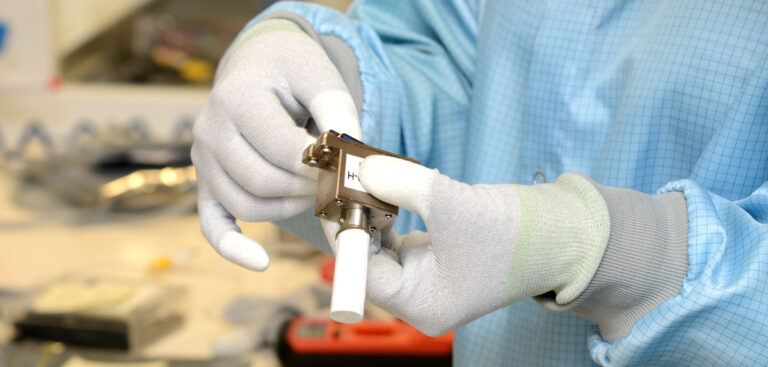
The Finnish Meteorological Institute (FMI), part of the consortium, has supplied instrumentation based on Finnish specialist Vaisala’s sensors, to MEDA for the measurement of humidity and pressure. The pressure and humidity measurement devices developed by FMI are similar to but more advanced than the ones sent to Mars on the first Curiosity rover in 2012.

While working on Mars, the Curiosity and the new Perseverance rovers will form a small-scale observation network. NASA said this network is only the first step and is anticipating an extensive observation network on Mars in the future.

“Mars, as well as Venus, the other sister planet of Earth, is a particularly important area of atmospheric investigations due to its similarities to Earth. Studying Mars helps us also better understand the behavior of Earth’s atmosphere”, commented Maria Genzer, head of planetary research and space technology group, FMI.

In the extreme conditions of the Martian atmosphere, NASA will be able to obtain readings of pressure and humidity levels with Vaisala’s HUMICAP and BAROCAP sensors. These sensors’ long-term stability and accuracy, as well as their ability to tolerate dust, chemicals, and harsh environmental conditions, make them suitable for this task.

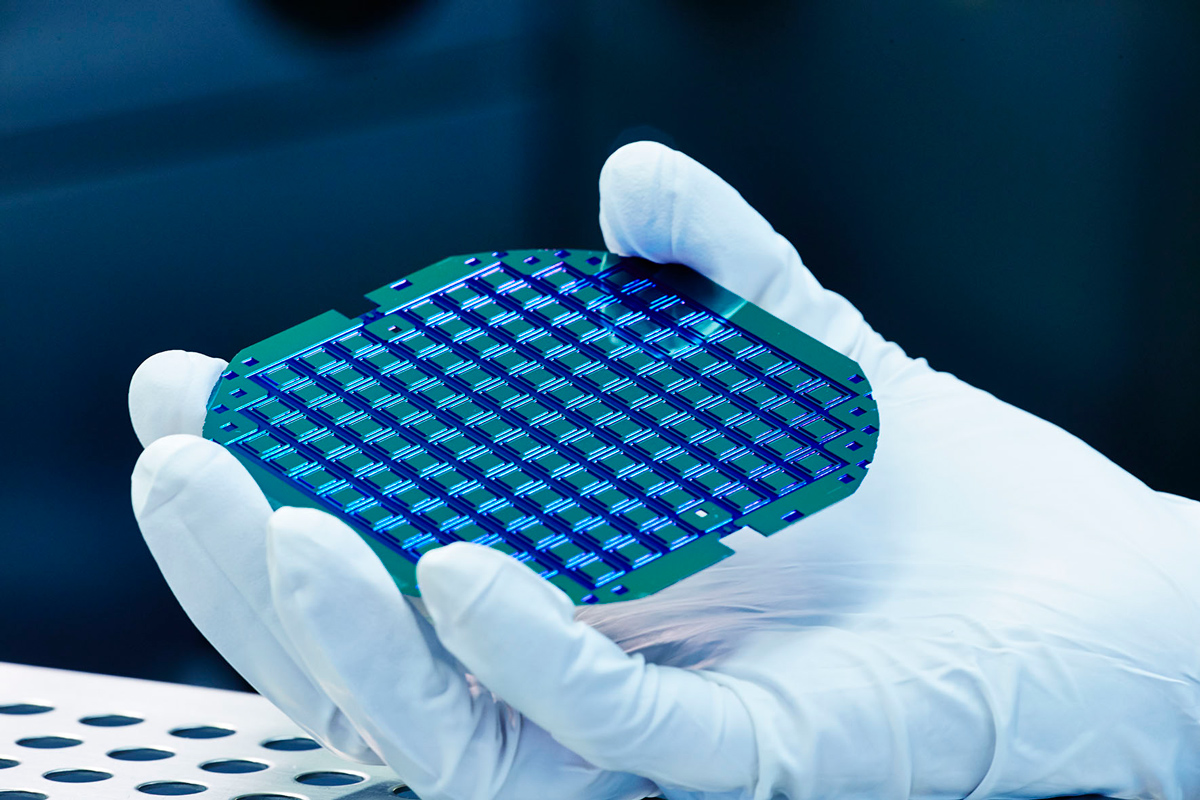
The humidity measurement device MEDA HS, developed by FMI for Perseverance, utilizes standard HUMICAP humidity sensors. These are capacitive thin-film polymer sensors consisting of a substrate on which a thin film of polymer is deposited between two conductive electrodes. The humidity sensor on board is a new generation sensor, with performance optimized for the low-pressure conditions expected on the red planet.

In addition to humidity measurements, FMI has developed a device for pressure measurement, MEDA PS, which uses customized BAROCAP pressure sensors, again optimized to operate in the Martian climate. These are silicon-based micromechanical pressure sensors that offer reliable performance in a wide variety of applications, from meteorology to pressure-sensitive industrial equipment in the semiconductor industry and laboratory pressure standard measurements. These sensors feature low hysteresis combined with high accuracy and long-term stability, both essential for measurements in space.
Previous ArticleBelgrade to get new flood warning system
Next Article ARENA funds forecasting tool for renewable energy market

Read Similar Stories

Radar

EWR Radar Systems wins US Air Force contract for portable Doppler radar support

April 20, 20262 Mins Read
Space Weather

Northumbria University secures £4m to study Earth’s radiation belts

April 16, 20262 Mins Read
Climate Measurement

China inaugurates 27th national climate observatory in Hebei

April 9, 20262 Mins Read
Latest News

Researchers investigate links between air pollution, extreme weather and climate

May 1, 2026

China expands MAZU early warning system for developing countries

April 30, 2026

Météo-France begins construction of France’s tallest weather radar tower in Sembadel

April 29, 2026

Receive breaking stories and features in your inbox each week, for free


Enter your email address:


Supplier Spotlights
  • Geolux d.o.o.
Getting in Touch
  • Contact Us / Advertise
  • Meet the Editors
  • Media Pack
  • Free Weekly E-Newsletter
Our Social Channels
  • Facebook
  • LinkedIn
© 2026 UKi Media & Events a division of UKIP Media & Events Ltd
  • Cookie Policy
  • Privacy Policy
  • Terms and Conditions
  • Notice and Takedown Policy

Type above and press Enter to search. Press Esc to cancel.