


Close Menu
Meteorological Technology International
  • News
    • A-E
      • Agriculture
      • Automated Weather Stations
      • Aviation
      • Climate Measurement
      • Data
      • Developing Countries
      • Digital Applications
      • Early Warning Systems
      • Extreme Weather
    • G-P
      • Hydrology
      • Lidar
      • Lightning Detection
      • New Appointments
      • Nowcasting
      • Numerical Weather Prediction
      • Polar Weather
    • R-S
      • Radar
      • Rainfall
      • Remote Sensing
      • Renewable Energy
      • Satellites
      • Solar
      • Space Weather
      • Supercomputers
    • T-Z
      • Training
      • Transport
      • Weather Instruments
      • Wind
      • World Meteorological Organization
      • Meteorological Technology World Expo
  • Features
  • Online Magazines
    • January 2026
    • April 2025
    • January 2025
    • September 2024
    • April 2024
    • Archive Issues
    • Subscribe Free!
  • Opinion
  • Videos
  • Supplier Spotlight
  • Expo
LinkedIn X (Twitter) Facebook
  • Sign-up for Free Weekly E-Newsletter
  • Meet the Editors
  • Contact Us
  • Media Pack
LinkedIn Facebook
Subscribe
Meteorological Technology International
  • News
      • Agriculture
      • Automated Weather Stations
      • Aviation
      • Climate Measurement
      • Data
      • Developing Countries
      • Digital Applications
      • Early Warning Systems
      • Extreme Weather
      • Hydrology
      • Lidar
      • Lightning Detection
      • New Appointments
      • Nowcasting
      • Numerical Weather Prediction
      • Polar Weather
      • Radar
      • Rainfall
      • Remote Sensing
      • Renewable Energy
      • Satellites
      • Solar
      • Space Weather
      • Supercomputers
      • Training
      • Transport
      • Weather Instruments
      • Wind
      • World Meteorological Organization
      • Meteorological Technology World Expo
  • Features
  • Online Magazines
    1. January 2026
    2. September 2025
    3. April 2025
    4. January 2025
    5. September 2024
    6. April 2024
    7. January 2024
    8. September 2023
    9. April 2023
    10. Archive Issues
    11. Subscribe Free!
    Featured
    November 27, 2025

    In this Issue – January 2026

    By Hazel KingNovember 27, 2025
    Recent

    In this Issue – January 2026

    November 27, 2025

    In this Issue – September 2025

    August 11, 2025

    In this Issue – April 2025

    April 15, 2025
  • Opinion
  • Videos
  • Supplier Spotlight
  • Expo
Facebook LinkedIn
Subscribe
Meteorological Technology International
Extreme Weather

Record-breaking wildfires throughout the 2023 boreal wildfire season

Dan SymondsBy Dan SymondsSeptember 18, 20233 Mins Read
Share LinkedIn Facebook Twitter Email
Credit: Pixabay
Share
LinkedIn Facebook Twitter Email

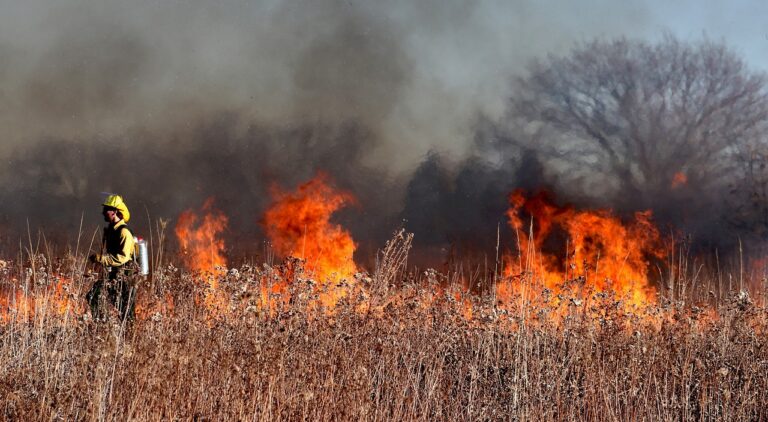
During the late spring and summer of 2023, several devastating wildfires have been affecting most of the provinces and territories of Canada. First detected in May, these wildfires have been ongoing in several locations, causing great human and material loss, in addition to severely affecting air quality not only in Canada but across other regions of North America.

According to the Copernicus Atmosphere Monitoring Service (CAMS) global forecasts and analyses, which assimilate satellite observations of atmospheric composition, some of the plumes of smoke produced by these wildfires also reached Europe.

The extent, persistence and intensity of these wildfires have led to the total estimated emissions of carbon emissions for 2023 to be almost 410 megatons, the highest for Canada by a wide margin in the CAMS data set. The previous record for annual carbon emissions was 2014, with 138 megatonnes (metric tons) of carbon.

There are still active wildfires in a number of regions in Canada, and the 2023 annual emissions may keep increasing although the rate of increase seems to be levelling off. At this point Canada wildfire emissions represent 27% of the total global wildfire carbon emissions for 2023.

Mark Parrington, CAMS senior scientist, said, “Wildfires occur in boreal regions every summer with varying locations, intensity and duration depending on the hydrological, meteorological and climate conditions. As temperatures keep increasing and dry conditions become more long-term, the chances of experiencing devastating wildfires like those in Canada are increasing. The ability we have to monitor wildfire emissions and the smoke transport in CAMS is essential to understanding the scale and potential impacts on air quality.”

Other significant wildfire episodes during this last season include those that took place in Russia, more particularly in Omsk oblast, Novosibirsk oblast, and the Far Eastern Federal District. It is important to highlight that despite Russia experiencing wildfire emissions this year below the 20-year average, the June-August wildfire carbon emissions for the Arctic were the third-highest on record, second only to 2019 and 2020, mainly due to high latitude fires in Canada’s Northwest Territories.

Several regions around the Mediterranean also experienced significant wildfire activity as the season progressed. Between July and August, wildfires affected northern and central Greece, with the emissions for this time of the year being the third-highest on record, after 2007 and 2021. The Iberian Peninsula also experienced significant wildfire activity, affecting both Portugal and Spain, including one of the largest fires experienced on Tenerife. The island of Maui in Hawaii also experienced some significant intense wildfires.

CAMS provides up-to-date information on the location, intensity and estimated emissions of wildfires around the world, including the tracking of their smoke transport and impacts on atmospheric composition.

The above article contains modified Copernicus Atmosphere Monitoring Service information from 2023.

Previous ArticleBall Aerospace completes testing on Space Systems Command operational weather satellite
Next Article Climate change undermines nearly all sustainable development goals

Read Similar Stories

Data

Atmospheric G2 secures Japan weather forecasting license

April 21, 20262 Mins Read
Climate Measurement

China completes Antarctic meteorological research mission with Xuelong icebreaker

April 21, 20262 Mins Read
Extreme Weather

AI model improves real-time prediction of wildfire spread

April 16, 20263 Mins Read
Latest News

Atmospheric G2 secures Japan weather forecasting license

April 21, 2026

China completes Antarctic meteorological research mission with Xuelong icebreaker

April 21, 2026

EWR Radar Systems wins US Air Force contract for portable Doppler radar support

April 20, 2026

Receive breaking stories and features in your inbox each week, for free


Enter your email address:


Supplier Spotlights
  • Meteomatics AG
Getting in Touch
  • Contact Us / Advertise
  • Meet the Editors
  • Media Pack
  • Free Weekly E-Newsletter
Our Social Channels
  • Facebook
  • LinkedIn
© 2026 UKi Media & Events a division of UKIP Media & Events Ltd
  • Cookie Policy
  • Privacy Policy
  • Terms and Conditions
  • Notice and Takedown Policy

Type above and press Enter to search. Press Esc to cancel.