


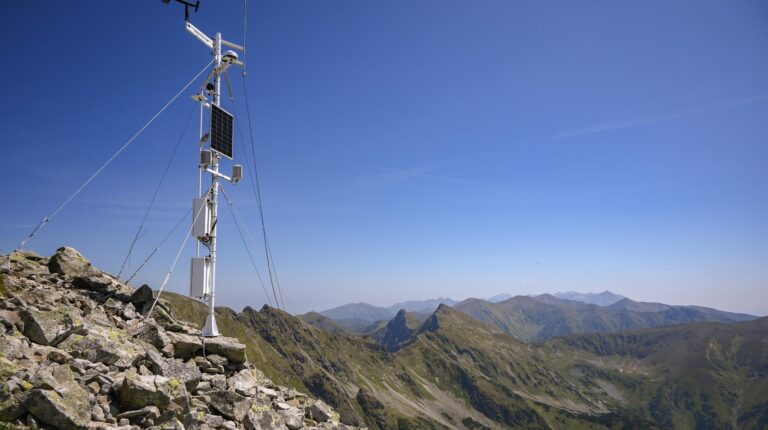
The Systematic Observations Financing Facility (SOFF) has opened the world’s first impact bond dedicated to strengthening weather and climate observations, seeking to raise US$200m by the end of 2026. The Systematic Observation Impact Bond, to be showcased under the COP30 Action Agenda in Brazil, aims to help 30 least developed countries (LDCs) and small island developing states (SIDS) meet the requirements of the Global Basic Observing Network (GBON).
According to SOFF, the instrument is designed to address one of the core barriers to early-warning and forecasting capability: sustainable finance for maintaining surface weather and climate observations. The bond’s structuring options have been completed, with current work focused on identifying issuers and partners ahead of launch.
“This Impact Bond will increase internationally shared data fivefold, strengthening the world’s ability to forecast and prepare for extreme weather and climate hazards,” said WMO secretary-general Celeste Saulo. “Studies show that closing the data gap could generate US$5bn in direct annual benefits and unlock US$160bn in wider economic gains.”
The bond is backed by the UN Environment Programme (UNEP), the World Meteorological Organization (WMO), the UN Development Programme (UNDP) and SOFF. It combines capital frontloaded by investors with long-term donor commitments, with disbursements tied to independently verified results confirmed by WMO through increases in internationally shared weather and climate data.
“If we fail to close the adaptation and data gap now, we are simply locking in far higher costs and risks for the future,” said Inger Andersen, UNEP executive director. “This proposed bond shows how public and private finance could unite to support resilience and safeguard lives.”
UNDP acting administrator Haoliang Xu said the bond could “ease climate financing bottlenecks and help countries access finance faster,” accelerating installation of observing infrastructure. SOFF director Markus Repnik added that it “will accelerate installations of weather stations and contribute to the efforts to strengthen resilience where it’s needed most.”
The WMO describes the initiative as aligned with the COP30 presidency’s vision of a Multirão – a collective global effort to deliver tangible progress through solidarity and innovation.
According to a study by the ECMWF, closing the GBON data gap could reduce forecast errors by up to 30% in Africa and 20% in the Pacific. Improved observations would deliver both local and global benefits, enhancing forecasts within hours and strengthening multi-day outlooks worldwide.
In related news, WMO launches digital transformation to boost global collaboration and knowledge sharing