


Close Menu
Meteorological Technology International
  • News
    • A-E
      • Agriculture
      • Automated Weather Stations
      • Aviation
      • Climate Measurement
      • Data
      • Developing Countries
      • Digital Applications
      • Early Warning Systems
      • Extreme Weather
    • G-P
      • Hydrology
      • Lidar
      • Lightning Detection
      • New Appointments
      • Nowcasting
      • Numerical Weather Prediction
      • Polar Weather
    • R-S
      • Radar
      • Rainfall
      • Remote Sensing
      • Renewable Energy
      • Satellites
      • Solar
      • Space Weather
      • Supercomputers
    • T-Z
      • Training
      • Transport
      • Weather Instruments
      • Wind
      • World Meteorological Organization
      • Meteorological Technology World Expo
  • Features
  • Online Magazines
    • January 2026
    • April 2025
    • January 2025
    • September 2024
    • April 2024
    • Archive Issues
    • Subscribe Free!
  • Opinion
  • Videos
  • Supplier Spotlight
  • Expo
LinkedIn X (Twitter) Facebook
  • Sign-up for Free Weekly E-Newsletter
  • Meet the Editors
  • Contact Us
  • Media Pack
LinkedIn Facebook
Subscribe
Meteorological Technology International
  • News
      • Agriculture
      • Automated Weather Stations
      • Aviation
      • Climate Measurement
      • Data
      • Developing Countries
      • Digital Applications
      • Early Warning Systems
      • Extreme Weather
      • Hydrology
      • Lidar
      • Lightning Detection
      • New Appointments
      • Nowcasting
      • Numerical Weather Prediction
      • Polar Weather
      • Radar
      • Rainfall
      • Remote Sensing
      • Renewable Energy
      • Satellites
      • Solar
      • Space Weather
      • Supercomputers
      • Training
      • Transport
      • Weather Instruments
      • Wind
      • World Meteorological Organization
      • Meteorological Technology World Expo
  • Features
  • Online Magazines
    1. January 2026
    2. September 2025
    3. April 2025
    4. January 2025
    5. September 2024
    6. April 2024
    7. January 2024
    8. September 2023
    9. April 2023
    10. Archive Issues
    11. Subscribe Free!
    Featured
    November 27, 2025

    In this Issue – January 2026

    By Hazel KingNovember 27, 2025
    Recent

    In this Issue – January 2026

    November 27, 2025

    In this Issue – September 2025

    August 11, 2025

    In this Issue – April 2025

    April 15, 2025
  • Opinion
  • Videos
  • Supplier Spotlight
  • Expo
Facebook LinkedIn
Subscribe
Meteorological Technology International
Rainfall

NCAR joins campaign to study extreme rainfall in the Pacific

Dan SymondsBy Dan SymondsJune 13, 20222 Mins Read
Share LinkedIn Facebook Twitter Email
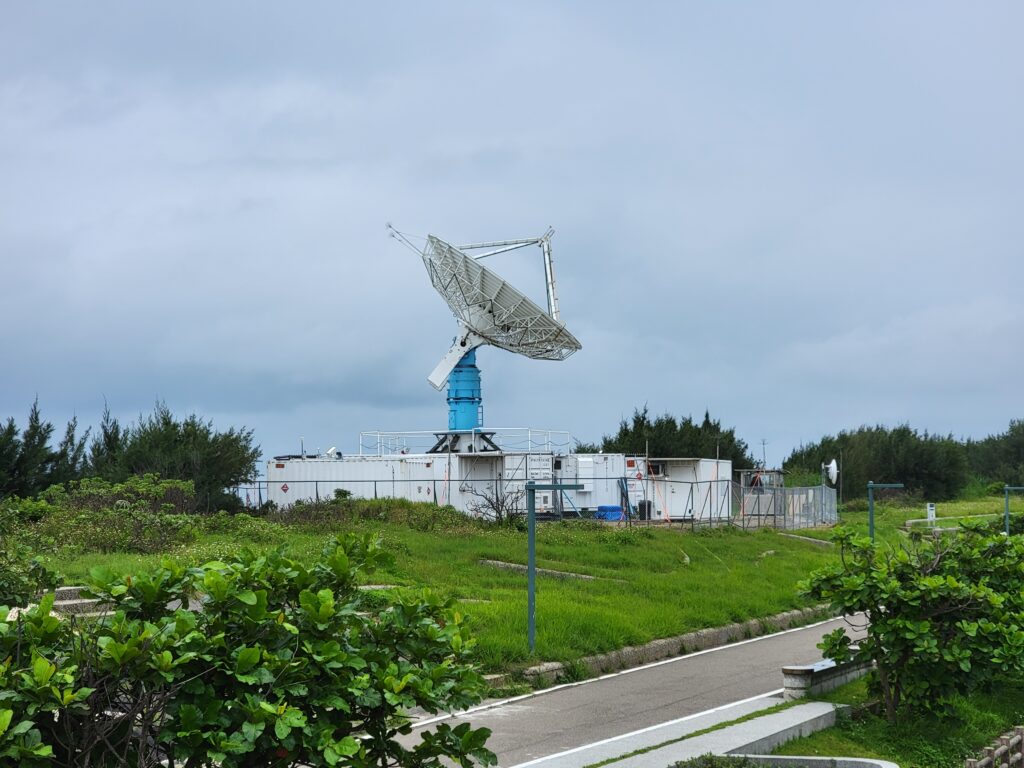
The S-PolKa radar in northwestern Taiwan is one of several radars being used for PRECIP - credit: NCAR
Share
LinkedIn Facebook Twitter Email

Experts from the National Center for Atmospheric Research (NCAR) have joined a field campaign to collect data and observations of extreme storms and monsoons in the region around western Taiwan and the southern Japanese island of Yonaguni.

Led by Colorado State University scientists Michael Bell and Kristen Rasmussen, the Prediction of Rainfall Extremes Campaign in the Pacific (PRECIP) research team also includes seven other partners from US academic institutions and several international partners in Taiwan, Japan and Korea.

Rosimar Ríos-Berríos, NCAR scientist and one of the principal investigators for PRECIP, said, “Extreme rainfall events are gravely disruptive to society, yet we know little about what causes extreme rainfall in some cases versus light to moderate rainfall in other cases.”

Although the field campaign is taking place in the Pacific, the information gathered from PRECIP will lead to improved forecasting capabilities globally. “Knowing what factors distinguish these different events could be incredibly helpful for improving our ability to forecast extreme rainfall well in advance,” said Ríos-Berríos.

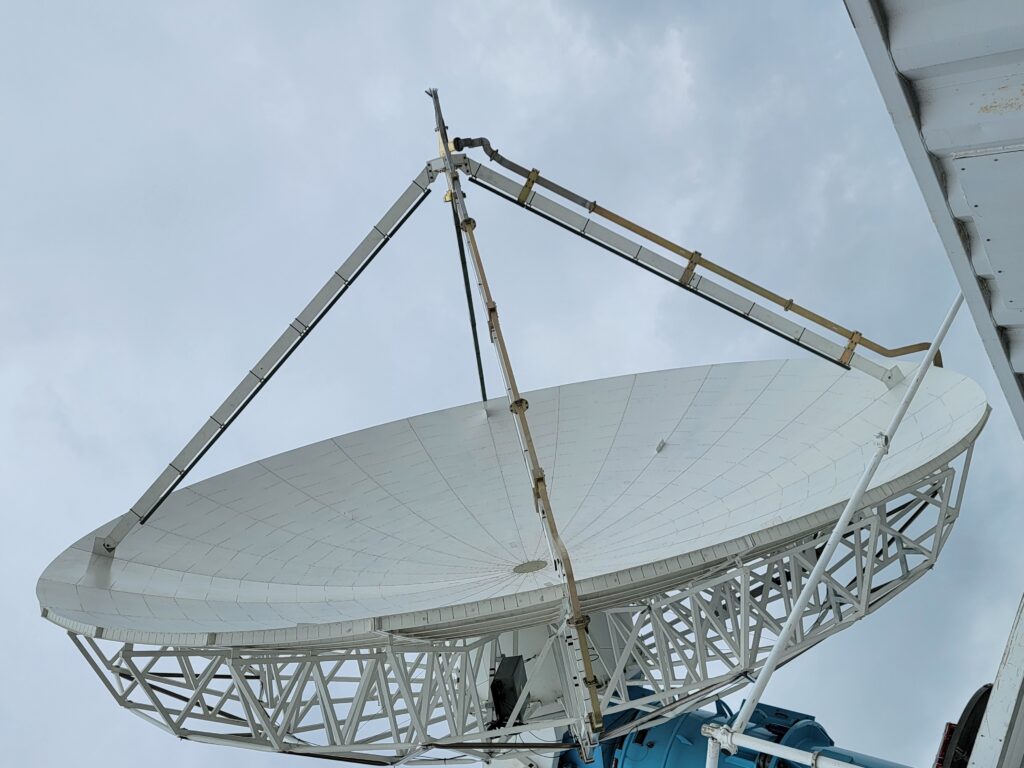
The field campaign will employ a suite of ground- and air-based technologies that will record detailed information on the storms and precipitation observed. Among the fleet of technologies is NCAR’s S-PolKa radar, and MicroPulse DIAL instruments to measure water vapor.

Ríos-Berríos will be particularly focused on identifying the model errors that result in inaccurate forecasts for extreme rain. To reach this objective, the scientists will use real-time forecasts with NCAR’s Model for Prediction Across Scales–Atmosphere (MPAS-A) with a special Taiwan-centered configuration, combined with the Weather and Forecasting Model (WRF) ensemble forecasts produced by a team at Pennsylvania State University.
Credit: NCAR
Previous ArticleWater and Climate Coalition action plan looks to increase glacier protection
Next Article NASA loses two TROPICS CubeSats following failed launch

Read Similar Stories

Agriculture

Extreme heat posing significant risks to ecosystems and agriculture, FAO-WMO report warns

April 22, 20263 Mins Read
Extreme Weather

AI model improves real-time prediction of wildfire spread

April 16, 20263 Mins Read
Climate Measurement

Study identifies atmospheric trigger behind flash droughts in Puerto Rico

April 15, 20263 Mins Read
Latest News

Extreme heat posing significant risks to ecosystems and agriculture, FAO-WMO report warns

April 22, 2026

Atmospheric G2 secures Japan weather forecasting license

April 21, 2026

China completes Antarctic meteorological research mission with Xuelong icebreaker

April 21, 2026

Receive breaking stories and features in your inbox each week, for free


Enter your email address:


Supplier Spotlights
  • Senseca
Getting in Touch
  • Contact Us / Advertise
  • Meet the Editors
  • Media Pack
  • Free Weekly E-Newsletter
Our Social Channels
  • Facebook
  • LinkedIn
© 2026 UKi Media & Events a division of UKIP Media & Events Ltd
  • Cookie Policy
  • Privacy Policy
  • Terms and Conditions
  • Notice and Takedown Policy

Type above and press Enter to search. Press Esc to cancel.