


Close Menu
Meteorological Technology International
  • News
    • A-E
      • Agriculture
      • Automated Weather Stations
      • Aviation
      • Climate Measurement
      • Data
      • Developing Countries
      • Digital Applications
      • Early Warning Systems
      • Extreme Weather
    • G-P
      • Hydrology
      • Lidar
      • Lightning Detection
      • New Appointments
      • Nowcasting
      • Numerical Weather Prediction
      • Polar Weather
    • R-S
      • Radar
      • Rainfall
      • Remote Sensing
      • Renewable Energy
      • Satellites
      • Solar
      • Space Weather
      • Supercomputers
    • T-Z
      • Training
      • Transport
      • Weather Instruments
      • Wind
      • World Meteorological Organization
      • Meteorological Technology World Expo
  • Features
  • Online Magazines
    • January 2026
    • April 2025
    • January 2025
    • September 2024
    • April 2024
    • Archive Issues
    • Subscribe Free!
  • Opinion
  • Videos
  • Supplier Spotlight
  • Expo
LinkedIn X (Twitter) Facebook
  • Sign-up for Free Weekly E-Newsletter
  • Meet the Editors
  • Contact Us
  • Media Pack
LinkedIn Facebook
Subscribe
Meteorological Technology International
  • News
      • Agriculture
      • Automated Weather Stations
      • Aviation
      • Climate Measurement
      • Data
      • Developing Countries
      • Digital Applications
      • Early Warning Systems
      • Extreme Weather
      • Hydrology
      • Lidar
      • Lightning Detection
      • New Appointments
      • Nowcasting
      • Numerical Weather Prediction
      • Polar Weather
      • Radar
      • Rainfall
      • Remote Sensing
      • Renewable Energy
      • Satellites
      • Solar
      • Space Weather
      • Supercomputers
      • Training
      • Transport
      • Weather Instruments
      • Wind
      • World Meteorological Organization
      • Meteorological Technology World Expo
  • Features
  • Online Magazines
    1. January 2026
    2. September 2025
    3. April 2025
    4. January 2025
    5. September 2024
    6. April 2024
    7. January 2024
    8. September 2023
    9. April 2023
    10. Archive Issues
    11. Subscribe Free!
    Featured
    November 27, 2025

    In this Issue – January 2026

    By Hazel KingNovember 27, 2025
    Recent

    In this Issue – January 2026

    November 27, 2025

    In this Issue – September 2025

    August 11, 2025

    In this Issue – April 2025

    April 15, 2025
  • Opinion
  • Videos
  • Supplier Spotlight
  • Expo
Facebook LinkedIn
Subscribe
Meteorological Technology International
Extreme Weather

WMO Hurricane Committee retires Fiona and Ian

Dan SymondsBy Dan SymondsMarch 30, 20233 Mins Read
Share LinkedIn Facebook Twitter Email
Credit - Pixabay
Share
LinkedIn Facebook Twitter Email

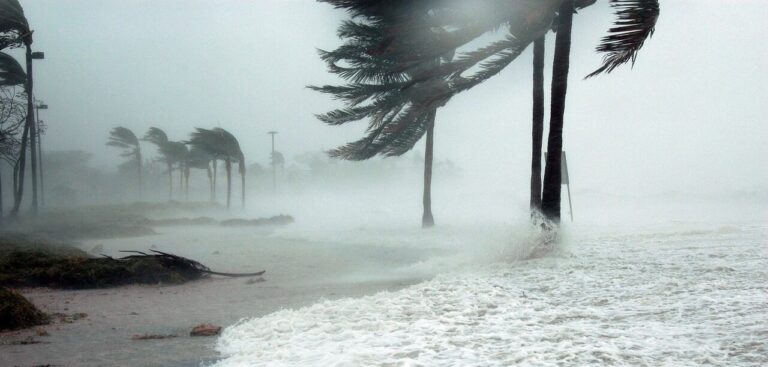
The World Meteorological Organization (WMO) Hurricane Committee has retired Fiona and Ian from the rotating lists of Atlantic tropical cyclone names following the death and destruction caused in Central America, the Caribbean, the USA and Canada in 2022.

Farrah will be used to replace Fiona in the lists of names, and Idris will replace Ian. WMO uses lists of names to help communicate storm warnings and to alert people about potentially life-threatening risks. In this region, the names are repeated every six years, unless a storm is so deadly that its name is retired. In total, 96 names have now been retired from the Atlantic basin list since 1953, when storms began to be named under the current system.

Fiona hit communities in the Lesser Antilles, Puerto Rico, Dominican Republic and the Turks and Caicos, before moving northward over the western Atlantic and striking Canada as a strong post-tropical cyclone in September 2022. The storm brought devastating freshwater flooding to Puerto Rico where it made landfall as a category 1 hurricane. The storm produced more than US$3bn in damage across the Caribbean and Canada and was responsible for 29 direct and indirect fatalities. Fiona is the costliest extreme weather event on record in Atlantic Canada.

Ian was large and powerful category 4 hurricane that struck western Cuba as a major hurricane and made landfall in southwestern Florida as a category 4 hurricane. Ian caused a devastating storm surge in southwestern Florida and is responsible for over 150 direct and indirect deaths and over US$112bn in damage in the USA, making it the costliest hurricane in Florida’s history and the third costliest in the USA.

Prof. Petteri Taalas, WMO secretary-general, said, “Tropical cyclones are major killers and a single storm can reverse years of socio-economic development. The death toll has fallen dramatically thanks to improvements in forecasting, warning and disaster risk reduction. But we can do even better. The UN Early Warnings for All initiative seeks to ensure that everyone has access to warnings of life-threatening winds, storm surge and rainfall in the next five years, especially in small island developing states which are on the frontlines of climate change.”

At global level, tropical cyclones caused an average 43 deaths and US$78m in losses per day and have also been responsible for one third of both deaths and economic losses from weather-, climate- and water-related disasters, according to WMO statistics from 1970-2019. However, the death toll has fallen during the 50-year period thanks to improvements in forecasting, warning and disaster risk reduction coordinated by WMO’s Tropical Cyclone Programme.

As part of activities to roll out the Early Warnings for All initiative, the Hurricane Committee will host a high-level panel on Hurricane Early Warnings for All. Its objective is to ensure that hurricane warnings are understood and acted upon by the most exposed and vulnerable in the broader context of disaster resilience.

Jamie Rhome, acting Hurricane Committee chair and acting director of the WMO Regional Specialized Meteorological Center Miami/US National Hurricane Center, said, “The WMO Hurricane Committee’s work is critical to keeping our nations coordinated well before the next storm threatens. Impacts from a single storm can affect multiple countries, so it is vital we have a plan, coordinate our efforts, and share challenges and best practices.”

Previous ArticleFAAM Air Lab invests in electric ground support to reduce carbon emissions
Next Article UK oceans to warm by more than 3°C by 2100, warns report

Read Similar Stories

Agriculture

Extreme heat posing significant risks to ecosystems and agriculture, FAO-WMO report warns

April 22, 20263 Mins Read
Extreme Weather

AI model improves real-time prediction of wildfire spread

April 16, 20263 Mins Read
Climate Measurement

Study identifies atmospheric trigger behind flash droughts in Puerto Rico

April 15, 20263 Mins Read
Latest News

Extreme heat posing significant risks to ecosystems and agriculture, FAO-WMO report warns

April 22, 2026

Atmospheric G2 secures Japan weather forecasting license

April 21, 2026

China completes Antarctic meteorological research mission with Xuelong icebreaker

April 21, 2026

Receive breaking stories and features in your inbox each week, for free


Enter your email address:


Supplier Spotlights
  • Senseca
Getting in Touch
  • Contact Us / Advertise
  • Meet the Editors
  • Media Pack
  • Free Weekly E-Newsletter
Our Social Channels
  • Facebook
  • LinkedIn
© 2026 UKi Media & Events a division of UKIP Media & Events Ltd
  • Cookie Policy
  • Privacy Policy
  • Terms and Conditions
  • Notice and Takedown Policy

Type above and press Enter to search. Press Esc to cancel.